
When your teen is struggling with substance use, choosing the right treatment program can feel overwhelming. Iowa families often encounter three main options: residential treatment centers, therapeutic boarding schools, and wilderness programs. While each serves a purpose, understanding the differences is essential, especially when substance use and co-occurring mental health disorders are the core concerns.
What Makes Residential Treatment Different?
Residential treatment centers like Ember Recovery’s Iowa facility are licensed healthcare facilities designed specifically to address substance use disorders and dual diagnosis concerns in a safe, gender-specific home environment. These programs provide:
- Clinical Oversight and Credentials: Licensed clinicians, including therapists, counselors, and medical professionals, deliver evidence-based care with 24/7 supervision. Staff credentials meet state licensing requirements and national accreditation standards from organizations like CARF and the Joint Commission.
- Medical Support: Young people receive comprehensive assessments and ongoing medical monitoring. While Ember Recovery partners with emergency facilities for medical detox stabilization when needed, our team provides continuous support throughout the recovery process.
- Education and Academic Continuity: Youth continue their education during treatment and often catch up on missed high school credits. Dedicated campus classrooms allow students to stay on track, and our staff coordinates directly with the teen’s home school for a smooth transition back, with options for students to even graduate on site.
- Family Involvement: Evidence-based family therapy programs, including Multidimensional Family Therapy and the Strengthening Families Program, actively engage parents and caregivers in the healing process. Family involvement significantly improves long-term outcomes. Your role in your child’s recovery is essential.
- Typical Length of Stay: Most residential programs run three to four months, with individualized timelines based on clinical needs and progress.
Understanding Therapeutic Boarding Schools
Therapeutic boarding schools blend academics with emotional or behavioral support. These programs for troubled teens in Iowa and beyond typically:
- Focus primarily on education with therapeutic components added
- Employ teachers and may have counselors, but clinical staff ratios differ from licensed treatment centers
- Serve students needing academic structure alongside emotional support
- Run on school-year calendars with extended stays, often 12 to 18 months
- Work well for behavioral concerns or learning differences, but may lack the intensive clinical framework needed for substance use disorders
What Wilderness Programs Offer
Wilderness therapy programs provide outdoor, experiential interventions where young people:
- Participate in structured outdoor activities with therapeutic processing
- Experience shorter-term programs, typically 4 to 12 weeks
- Benefit from removal from challenging environments and peer influences
- Engage with staff trained in outdoor education and therapy
These programs can effectively jumpstart change but are not designed as primary treatment for substance use disorders requiring medical oversight and evidence-based addiction treatment protocols.
Which Program Type Treats Substance Use?
When substance use is the primary concern, particularly with co-occurring mental health disorders, accredited residential treatment centers provide the specialized care young people need. Here is why:
- Licensed to treat addiction: Residential treatment facilities operate under healthcare licensing specific to substance use treatment.
- Evidence-based protocols: Programs utilize proven interventions specifically designed for addiction recovery.
- Dual diagnosis capabilities: Simultaneous treatment for substance use and mental health concerns like depression, anxiety, or trauma.
- Medical coordination: Access to medical support for withdrawal management and medication-assisted treatment when appropriate.
Ember Recovery has served 5,000+ clients since our founding, providing 6,536 overnight stays in 2022 alone. As part of YSS, Iowa’s oldest and largest youth-serving nonprofit with nearly five decades of experience, we offer specialized programs for adolescents ages 12 through 17 in gender-specific homes where healing starts with hope.
Questions Iowa Parents Should Ask
Not sure which program type fits your situation? Our Questions Parents Should Ask When Choosing a Teen Treatment Program post provides comprehensive criteria, but start with these:
- Is the program licensed specifically for substance use treatment?
- What accreditations does the facility hold? Look for CARF or Joint Commission.
- What are the credentials of clinical staff? Licensed therapists and certified addiction counselors.
- How is family involved in treatment?
- Does the program treat co-occurring mental health disorders?
- What does aftercare planning include?
- Is the program inclusive of LGBTQIA+ young people?
Finding the Right Path Forward for Your Family
Choosing the right program means matching your child’s specific needs with the appropriate level of care. When substance use and mental health concerns are central, accredited residential treatment provides the comprehensive, evidence-based support that creates lasting change.
For Iowa families searching for programs for troubled teens in Iowa, understanding these options empowers you to make informed decisions. You are not alone in this journey, and the right support can help your entire family heal.
Healing starts with hope, and finding the right program is the first step toward building a healthier future together.
Ready to learn more? Contact Ember Recovery today to discover how our Iowa Residential Treatment Center for Teens supports adolescents ages 12 through 17 on their recovery journey. Our compassionate team is here to answer your questions and help you find the path forward.
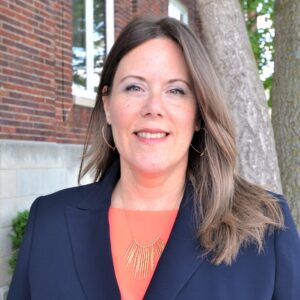
Andrea Dickerson is a Licensed Therapist and Certified Substance Use Counselor who has worked in behavioral health since 1997. Currently, Andrea is the Director of Behavioral Health, overseeing the Ember residential treatment programs and YSS outpatient counseling clinics throughout Central and North Central Iowa. She became a Motivational Interviewing (MI) trainer in 2006 and provides MI trainings throughout Iowa.
Andrea specializes in working with adolescents and their families and enjoys seeing the family relationships grow through therapy. Andrea is also a CARF International Surveyor, going around North America ensuring behavioral health organizations are meeting required standards.
In her free time, Andrea enjoys cheering on the Iowa Hawkeyes and Chicago Cubs, as well as being an active member of Soroptimist International of the Americas (SIA), a global organization that provides women and girls with access to the education and training they need to achieve economic empowerment. She has been a member of the SI of Des Moines club since 2012 and has been actively involved at the regional level, currently serving as Co-Governor of the Peaks to Plains Region.
Through her involvement in SIA, Andrea has been actively involved in the Dream Programs, coordinating annual Dream It, Be It: Career Support for Girls projects, which give girls the tools they need to achieve their education and career goals, empowering them to break cycles of poverty, violence, and abuse.