
Choosing a teen treatment center is one of the most significant decisions you will make for your child’s future. With substance use affecting millions of adolescents, finding the right environment can mean the difference between lasting recovery and continued struggles. This process can feel difficult, but asking the right questions helps you move forward with clarity and confidence. This guide provides a practical checklist to help you evaluate programs and make an informed decision for your family.
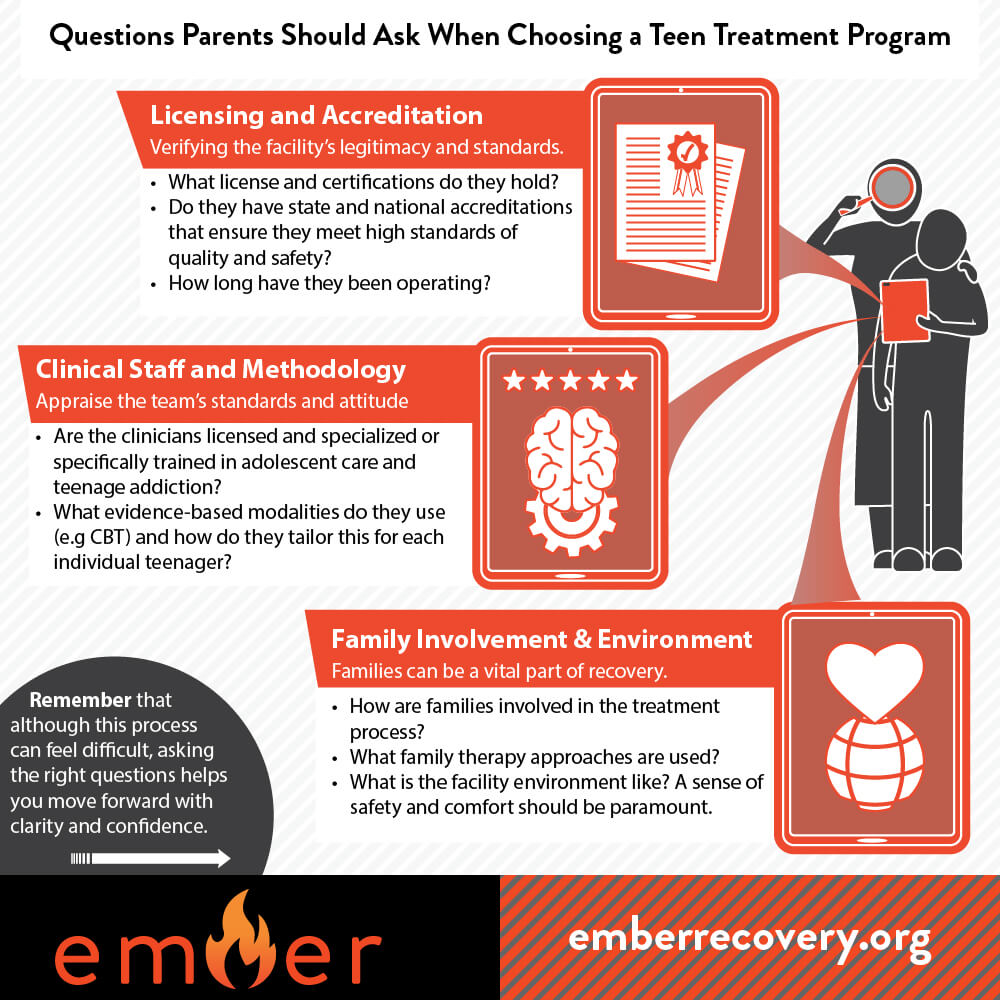
Licensing and Accreditation
Start by verifying that the facility is legitimate and held to high standards.
- What licenses and certifications does the facility hold? State licensing and national accreditations confirm that a program meets rigorous quality and safety standards. Ask which specific licenses they hold and how long they have been operating.
- How long has the organization served families? Experience is a powerful indicator of stability. Facilities backed by organizations with a long history of youth-focused service are often better equipped to handle complex adolescent needs.
- What is the regulatory oversight? Ensure the facility complies with all state health and safety regulations, which provides peace of mind regarding the level of care your child will receive.
Clinical Staff and Methodology
The strength of a treatment program lies in its team and its approach to healing.
- Are your clinicians licensed and specialized in adolescent care? Look for professionals who have specific training in teenage addiction. General practitioners may not have the niche expertise required to treat the unique developmental, emotional, and social complexities of a 12 to 17 year-old. Ask about staff credentials and training requirements.
- What is your approach to evidence-based treatment? Quality programs rely on methods backed by research. Ask specifically which modalities they use—such as Cognitive Behavioral Therapy and how they tailor these methods to the individual needs of each teenager.
Family Involvement and Environment
Recovery is rarely an individual journey; it is a family process.
- How do you involve families in the treatment process? Programs that offer structured family therapy demonstrate an understanding that healing happens within the entire family system.
- What family therapy approaches are used? Strong programs view parents as essential partners and provide the tools necessary to rebuild trust and communication at home, as highlighted in our guide on the role of family therapy in addressing teen drug abuse.
- What is the facility environment like? Safety and comfort are paramount. Look for constant, professional supervision in a secure setting. Integrating a Pacific Northwest-inspired hospitality framework into treatment ensures the physical environment is dignified and welcoming rather than sterile.
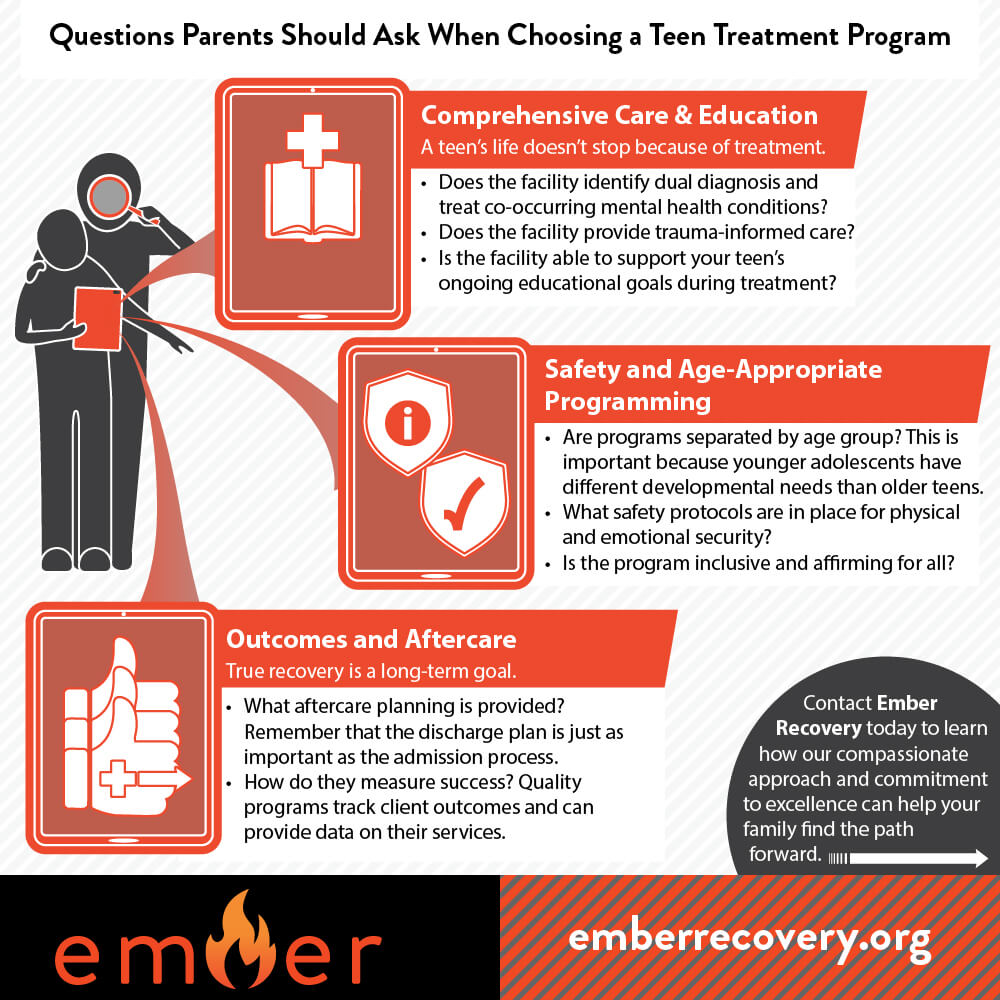
Comprehensive Care and Education
A teen’s life does not stop because they are in treatment.
- Can you treat co-occurring mental health conditions? Many teenagers struggle with dual diagnosis, meaning they face both substance use and mental health concerns like anxiety, depression, or trauma. A comprehensive program must address these underlying issues simultaneously.
- What types of trauma-informed care do you provide? Unresolved trauma is a common driver of substance use. Ask about staff training in trauma-informed practices and how they ensure emotional safety, as discussed in understanding teenage trauma and substance use.
- How do you support educational goals? A high-quality program provides on-site academic support. This prevents students from falling behind, as outlined in the role of academics during treatment.
Safety and Age-Appropriate Programming
Your child deserves a space where they feel secure and understood.
- Do you separate programs by age group? Younger adolescents have different developmental needs than older teens. Age-specific programming ensures that peer groups are relevant and therapeutic interventions are appropriate.
- What safety protocols are in place? Ask about emergency procedures and how the staff balances clinical structure with emotional security.
- Is the program inclusive? A safe environment is one where every teenager feels valued. Programs committed to inclusivity create a space where all residents receive affirming and respectful care, as explored in understanding inclusive care.
Outcomes and Aftercare
True recovery is a long-term goal that continues after the residential stay.
- What aftercare planning do you provide? A discharge plan is just as important as the admission process. Ask how the program prepares families for the transition back home, including relapse prevention strategies and ongoing support, as detailed in aftercare planning for sustained recovery.
- How do you measure success? Programs confident in their work track client outcomes and can provide data on the effectiveness of their services.
Communication Expectations
Clear communication is the bridge between you and your child during their time away.
- How will we be updated on progress? Clarify the frequency and methods of communication. Knowing who your primary clinical contact will be helps you remain an active, informed partner.
Moving Forward with Confidence
Choosing a teen treatment center is about finding a team that respects your role as a parent. Ember Recovery is committed to these standards, providing evidence-based care in a supportive setting where adolescents find the hope and healing they deserve.
Contact Ember Recovery today to learn how our compassionate approach and commitment to excellence can help your family find the path forward.
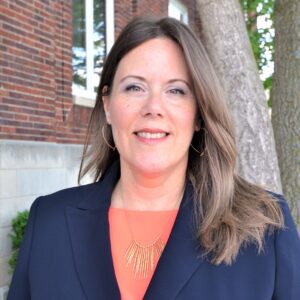
Andrea Dickerson is a Licensed Therapist and Certified Substance Use Counselor who has worked in behavioral health since 1997. Currently, Andrea is the Director of Behavioral Health, overseeing the Ember residential treatment programs and YSS outpatient counseling clinics throughout Central and North Central Iowa. She became a Motivational Interviewing (MI) trainer in 2006 and provides MI trainings throughout Iowa.
Andrea specializes in working with adolescents and their families and enjoys seeing the family relationships grow through therapy. Andrea is also a CARF International Surveyor, going around North America ensuring behavioral health organizations are meeting required standards.
In her free time, Andrea enjoys cheering on the Iowa Hawkeyes and Chicago Cubs, as well as being an active member of Soroptimist International of the Americas (SIA), a global organization that provides women and girls with access to the education and training they need to achieve economic empowerment. She has been a member of the SI of Des Moines club since 2012 and has been actively involved at the regional level, currently serving as Co-Governor of the Peaks to Plains Region.
Through her involvement in SIA, Andrea has been actively involved in the Dream Programs, coordinating annual Dream It, Be It: Career Support for Girls projects, which give girls the tools they need to achieve their education and career goals, empowering them to break cycles of poverty, violence, and abuse.