
The transition back to school brings unique challenges for teenagers and their families. For parents of adolescents ages 12–17, the back-to-school season can trigger concerns, especially when academic pressure intersects with substance use vulnerability. Understanding this connection can make all the difference in supporting your child’s well-being.
Research shows that 1 in 6 people struggle with substance use, and 90% begin during their teen years. According to the National Institute on Drug Abuse, as your teen faces increased stress, knowing the warning signs can help you intervene before occasional use becomes a deeper problem.
The Hidden Pressures Teens Face
Academic and Social Expectations
Teens experience distinct stressors during the school year. Academic demands, social pressures, extracurricular commitments, and questions about their future can create overwhelming stress. For adolescents, the pressure to excel academically while navigating complex social dynamics and high school expectations can feel insurmountable.
Social Transitions and Identity Formation
This developmental stage involves establishing independent identities and managing peer relationships. For LGBTQIA+ youth, these transitions may carry additional complexity around identity and acceptance. The pressure to fit in while discovering who they are can lead some teens to experiment with substances as a coping mechanism.
The Isolation Factor
Many adolescents experience unexpected loneliness, whether they feel disconnected in the classroom or overwhelmed by social circles. When academic or personal challenges arise, substances may seem like an accessible escape for managing difficult emotions. Research shows that young people face unprecedented mental health challenges today.
Warning Signs Parents Should Recognize
Changes in your teen’s behavior or communication patterns may signal stress-related substance use:
Academic and Behavioral Indicators:
- Declining grades or sudden disinterest in school
- Increased absences, tardiness, or skipping classes
- Withdrawal from sports, clubs, or previously enjoyed activities
- Changes in sleep patterns or energy levels
Social and Emotional Red Flags:
- New friend groups, especially with secretive behavior
- Increased irritability, mood swings, or defensiveness
- Decreased communication and withdrawal from family life
- Unexplained requests for money or missing items
Physical Changes:
- Noticeable changes in personal hygiene or appearance
- Bloodshot eyes, frequent headaches, or unexplained illness
- Sudden changes in appetite or weight
Trust your instincts. You know your teen best, and persistent changes deserve attention and an open conversation.
How Early Support Prevents Escalation
When stress-related substance use goes unaddressed, it can quickly develop into patterns requiring professional intervention. Early, compassionate support can redirect this trajectory.
Open Communication Without Judgment
Approach conversations with curiosity rather than accusation. Ask open questions like “I’ve noticed you seem stressed lately; what’s going on?” rather than immediately confronting suspected substance use. Creating a safe space for honest dialogue builds trust and encourages your teen to share what they are experiencing.
Professional Assessment Matters
If you suspect substance use has become a coping mechanism, professional evaluation provides clarity. Dual diagnosis specialists can identify co-occurring mental health disorders that often accompany teen substance abuse, including anxiety and depression, requiring integrated care.
Evidence-Based Adolescent Treatment Works
Since 1976, YSS and Ember Recovery have served thousands of Iowa families facing these exact challenges. With over 5,000 clients served, our Cambridge, IA, facility offers individualized adolescent care in a safe, homelike atmosphere.
For teens ages 12–17, we provide gender-specific residential programming with 24/7 supervision by licensed clinicians, trauma-informed therapy, and comprehensive family involvement. Our treatment addresses both substance use and underlying stressors through evidence-based approaches tailored to each adolescent’s unique needs.
We foster an LGBTQIA+ inclusive environment where every teen can focus on healing and building healthy coping mechanisms. Our clinical team also coordinates medically supervised detox services when needed, ensuring safe, compassionate care from the very beginning.
Take the Next Step Toward Hope
Recovery is not just about stopping substance use; it is about developing healthier stress management strategies for the future. Our comprehensive approach includes life-skills training, therapeutic support, and structured aftercare planning that sets teens up for long-term success in school and life.
If you are concerned about teen substance abuse, Cambridge, IA, families do not have to navigate this back-to-school season alone. Healing starts with hope, and Ember Recovery is here to support your child every step of the way.
Contact Ember Recovery today to speak with our compassionate team about how our adolescent residential treatment programs can guide your family toward lasting recovery.
Source:
[1] https://nida.nih.gov/publications/drugs-brains-behavior-science-addiction/drug-misuse-addiction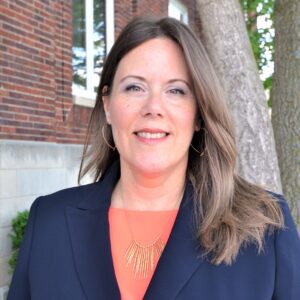
Andrea Dickerson is a Licensed Therapist and Certified Substance Use Counselor who has worked in behavioral health since 1997. Currently, Andrea is the Director of Behavioral Health, overseeing the Ember residential treatment programs and YSS outpatient counseling clinics throughout Central and North Central Iowa. She became a Motivational Interviewing (MI) trainer in 2006 and provides MI trainings throughout Iowa.
Andrea specializes in working with adolescents and their families and enjoys seeing the family relationships grow through therapy. Andrea is also a CARF International Surveyor, going around North America ensuring behavioral health organizations are meeting required standards.
In her free time, Andrea enjoys cheering on the Iowa Hawkeyes and Chicago Cubs, as well as being an active member of Soroptimist International of the Americas (SIA), a global organization that provides women and girls with access to the education and training they need to achieve economic empowerment. She has been a member of the SI of Des Moines club since 2012 and has been actively involved at the regional level, currently serving as Co-Governor of the Peaks to Plains Region.
Through her involvement in SIA, Andrea has been actively involved in the Dream Programs, coordinating annual Dream It, Be It: Career Support for Girls projects, which give girls the tools they need to achieve their education and career goals, empowering them to break cycles of poverty, violence, and abuse.