When a young person begins struggling with substance use, the signs often appear first in the classroom. Teachers notice slipping grades, counselors see withdrawn behavior, and coaches observe declining performance. Schools occupy a unique position to identify early warning signs and connect students with the help they need before substance use escalates into addiction.
Understanding how schools can effectively support students facing substance use challenges, without becoming treatment providers themselves, creates a collaborative safety net that serves Iowa’s youth and their families.
Recognizing the Warning Signs in Educational Settings
School staff members interact with students daily, positioning them to notice behavioral changes that may indicate substance use concerns. According to the National Institute on Drug Abuse, early detection significantly improves treatment outcomes. Common warning signs include:
- Academic Changes: Sudden drops in grades, incomplete assignments, difficulty concentrating, or falling asleep in class may signal underlying struggles with substance use.
- Attendance Patterns: Increased absences, chronic tardiness, or frequent requests to leave class can indicate avoidance behaviors or active substance use.
- Behavioral Shifts: Mood swings, irritability, withdrawal from previously enjoyed activities, or changes in friend groups often accompany substance use challenges.
- Physical Indicators: Bloodshot eyes, changes in appearance or hygiene, unexplained injuries, or physical symptoms during the school day warrant gentle, supportive inquiry.
For adolescents ages 12-17 throughout Iowa, including communities like Cambridge, these patterns may manifest differently depending on developmental stage, but the underlying indicators remain consistent.
Creating a Supportive School Culture
Effective support begins with viewing substance use through a health lens rather than a disciplinary one. Schools that emphasize education, compassion, and connection over punishment create environments where students feel safe seeking help.
- Training Staff: Educators benefit from training on recognizing substance use warning signs, having supportive conversations, and understanding available adolescent treatment programs in Iowa. This knowledge empowers them to respond with empathy rather than judgment.
- Establishing Clear Protocols: Schools need defined procedures for addressing suspected substance use that prioritize student safety and family notification while connecting families with appropriate resources like juvenile drug treatment programs in Iowa.
- Reducing Stigma: Educational programming that normalizes conversations about mental health and substance use encourages students to reach out before problems escalate. Research shows that many young people struggle with substance use, and addressing these challenges with compassion rather than shame creates pathways to healing.
The Power of Collaboration
Schools cannot, and should not, function as treatment providers. Instead, they serve as vital connectors between struggling students and professional support services.
Partnering With Families
Open, non-judgmental communication with parents and caregivers enables coordinated support. Schools can share observations while respecting that families ultimately make treatment decisions. This partnership honors the essential role caregivers play in recovery.
Connecting to Treatment Resources
Building relationships with teen treatment centers in Iowa facilities like Ember Recovery ensures schools can provide families with evidence-based options when residential treatment becomes necessary. These connections bridge the gap between recognizing a problem and accessing professional care.
Supporting Continuity
When students enter treatment programs, schools can collaborate by providing educational materials, communicating about academic planning, and preparing for successful reintegration upon return. Education remains a priority even during healing.
The Value of Early Intervention
Early identification and intervention dramatically improve outcomes for young people struggling with substance use. When schools act swiftly to connect students with appropriate resources, they help prevent the progression from experimentation to more serious challenges. Healing starts with hope, and schools can be the first to offer that hope.
About Ember Recovery
At Ember Recovery, we have served over 5,000 residential treatment clients, understanding that successful recovery requires partnership between families, schools, and treatment professionals. Our adolescent services incorporate family involvement and aftercare planning that includes collaboration with educational institutions.
Our individualized, evidence-based approach takes place in a safe, homelike atmosphere with 24/7 supervision by licensed clinicians. Young people build healthy futures through care designed specifically for their developmental needs. We also provide dual diagnosis treatment for co-occurring mental health conditions, which are often underlying contributors to substance use.
Moving Forward Together
Supporting students struggling with substance use requires compassion, collaboration, and connection to appropriate resources. When schools, families, and treatment professionals work together, young people receive the comprehensive support necessary for lasting recovery. Whether families are seeking teen substance abuse support in Cambridge, IA, or juvenile drug treatment programs throughout Iowa, partnership creates the strongest foundation for healing.
If your school serves students in Iowa who may benefit from professional substance use treatment, we are here to help. Contact Ember Recovery today to learn how we partner with families and educational institutions to provide compassionate, evidence-based addiction treatment for adolescents aged 12-17. Together, we can build healthy futures rooted in hope.
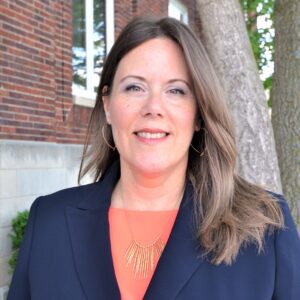
Andrea Dickerson is a Licensed Therapist and Certified Substance Use Counselor who has worked in behavioral health since 1997. Currently, Andrea is the Director of Behavioral Health, overseeing the Ember residential treatment programs and YSS outpatient counseling clinics throughout Central and North Central Iowa. She became a Motivational Interviewing (MI) trainer in 2006 and provides MI trainings throughout Iowa.
Andrea specializes in working with adolescents and their families and enjoys seeing the family relationships grow through therapy. Andrea is also a CARF International Surveyor, going around North America ensuring behavioral health organizations are meeting required standards.
In her free time, Andrea enjoys cheering on the Iowa Hawkeyes and Chicago Cubs, as well as being an active member of Soroptimist International of the Americas (SIA), a global organization that provides women and girls with access to the education and training they need to achieve economic empowerment. She has been a member of the SI of Des Moines club since 2012 and has been actively involved at the regional level, currently serving as Co-Governor of the Peaks to Plains Region.
Through her involvement in SIA, Andrea has been actively involved in the Dream Programs, coordinating annual Dream It, Be It: Career Support for Girls projects, which give girls the tools they need to achieve their education and career goals, empowering them to break cycles of poverty, violence, and abuse.