
Deciding to seek inpatient rehab for teens is one of the most difficult and courageous steps a family can take. If you’ve committed to residential treatment for your adolescent or young adult, you’re not alone in feeling uncertain about what comes next. Proper preparation, both emotional and logistical, can ease anxiety and set the foundation for successful recovery.
At Ember Recovery, we’ve supported thousands of clients through residential addiction treatment. We understand that the days leading up to admission are filled with questions, concerns, and mixed emotions. This guide will help you navigate the preparation process with confidence.
Emotional Preparation: Managing Your Own Feelings
Acknowledge Your Emotions
Guilt, fear, and worry are normal responses when your teen or young adult enters treatment. Many parents question whether they’ve made the right choice or blame themselves for their child’s struggles. Remember: seeking professional help is an act of love, not failure. Addiction is a complex condition. Research shows that 90% of people who struggle with substance use began during their teen years.
Reframe the Narrative
Rather than viewing admission as a separation, consider it an investment in your child’s future. Evidence-based residential care provides the structured, safe environment necessary for healing. Our homelike atmosphere at our Cambridge, Iowa, facility offers 24/7 supervision by licensed clinicians, ensuring your loved one receives comprehensive support during their stay at inpatient rehab for teens.
Manage Resistance
Your teen or young adult may express anger, denial, or reluctance. Approach conversations with empathy rather than confrontation. Focus on specific behaviors you’ve observed and express concern for their well-being. Avoid blame, and emphasize that treatment is about building a healthier future together.
Having “The Conversation” with Your Teen
Choose a calm moment to discuss admission. Be honest about what will happen, the treatment timeline, and expectations. Acknowledge their feelings while remaining firm in your decision. For adolescents ages 12-17, use age-appropriate language. For young adults ages 18-24, involving them in aspects of the process can foster cooperation and reduce anxiety.
Key talking points:
- Treatment focuses on their individual needs and goals
- They’ll work with caring professionals who understand their struggles
- Family involvement is part of their recovery journey
- This is an opportunity for growth, not punishment
Logistics Checklist: What to Pack and Arrange
Essential Items to Bring
Clothing:
- Comfortable, weather-appropriate clothing for one week
- Pajamas and undergarments
- Athletic shoes and casual footwear
- Jacket or sweatshirt
Personal Items:
- Toiletries (hair care, deodorant, etc.)
- Prescription medications in original containers
- Glasses or contact lenses with solution
- Photos of family or friends (check facility guidelines)
Documents:
- Photo identification
- Insurance cards
- Medical records and current medications list
- School transcripts or educational records
Items to Leave at Home
Most inpatient rehab for teens programs restrict electronics, valuables, and certain personal items. Contact Ember Recovery directly for our complete list of prohibited items.
Understanding School and Communication
Educational Continuity
At Ember Recovery, our on-site education program ensures your teen doesn’t fall behind academically during treatment. We coordinate with their school to maintain progress toward educational goals, which is especially important for young adults balancing college life and recovery.
Family Contact Policies
Regular family communication is vital to recovery. We facilitate scheduled phone calls, video visits, and family therapy sessions. These structured touchpoints help maintain connection while respecting treatment boundaries and strengthening family connections through treatment.
What to Expect During Admission
The admission process typically includes:
- Medical and psychological assessment
- Creation of an individualized treatment plan
- Dual diagnosis evaluation for co-occurring mental health conditions
- Orientation to facility rules and daily structure
Our team ensures safe withdrawal management when necessary, as proper medical supervision during detox is critical for safety.
Taking the Next Step
Preparation reduces anxiety and supports better treatment outcomes. By addressing both the emotional and practical aspects of admission to inpatient rehab for teens, you’re giving your child the best chance at lasting recovery. Ember Recovery has the experience and compassion to guide your family through this journey.
Healing starts with hope, and that hope begins now.
Ready to learn more about how our residential treatment program can help your family? Contact Ember Recovery today to speak with our admissions team and discover the individualized, evidence-based care that empowers teens and young adults to build healthier futures.
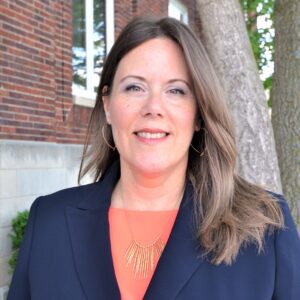
Andrea Dickerson is a Licensed Therapist and Certified Substance Use Counselor who has worked in behavioral health since 1997. Currently, Andrea is the Director of Behavioral Health, overseeing the Ember residential treatment programs and YSS outpatient counseling clinics throughout Central and North Central Iowa. She became a Motivational Interviewing (MI) trainer in 2006 and provides MI trainings throughout Iowa.
Andrea specializes in working with adolescents and their families and enjoys seeing the family relationships grow through therapy. Andrea is also a CARF International Surveyor, going around North America ensuring behavioral health organizations are meeting required standards.
In her free time, Andrea enjoys cheering on the Iowa Hawkeyes and Chicago Cubs, as well as being an active member of Soroptimist International of the Americas (SIA), a global organization that provides women and girls with access to the education and training they need to achieve economic empowerment. She has been a member of the SI of Des Moines club since 2012 and has been actively involved at the regional level, currently serving as Co-Governor of the Peaks to Plains Region.
Through her involvement in SIA, Andrea has been actively involved in the Dream Programs, coordinating annual Dream It, Be It: Career Support for Girls projects, which give girls the tools they need to achieve their education and career goals, empowering them to break cycles of poverty, violence, and abuse.