
When your teen is struggling with substance use, it’s rarely just about the drugs or alcohol. Behind the behavior, there’s often an unseen battle with depression, anxiety, or both. Understanding this connection is the first step toward finding effective help for your son or daughter.
The reality is sobering: 1 in 6 people struggle with substance use, and 90% start as teens, according to the National Institute on Drug Abuse. For many adolescents ages 12-17, substance use becomes a way to cope with overwhelming mental health symptoms, creating a cycle that’s difficult to break without professional support.
Why Mental Health and Substance Use Often Go Hand-in-Hand
Depression and anxiety don’t just happen alongside substance use by coincidence. These conditions are deeply interconnected, often feeding into one another in ways that intensify both problems.
Adolescents may turn to alcohol or drugs to temporarily ease feelings of sadness, worry, or panic. The substances might provide short-term relief, but they ultimately worsen mental health symptoms over time. Meanwhile, ongoing substance use can actually cause or deepen depression and anxiety, creating a vicious cycle that becomes harder to escape.
This pattern is called co-occurring disorders or dual diagnosis: when someone experiences both a mental health condition and a substance use disorder simultaneously.
Warning Signs Parents Should Recognize
Identifying the overlap between mental health struggles and substance use can be challenging. Some warning signs to watch for in your teen include:
- Mood changes: Persistent sadness, irritability, or emotional numbness
- Social withdrawal: Pulling away from family, friends, or activities they once enjoyed
- Sleep disruptions: Sleeping too much or too little, irregular sleep patterns
- Physical changes: Unexplained weight loss or gain, declining personal hygiene
- Risk-taking behaviors: Reckless decisions, disregard for consequences
- Academic problems: Declining grades, frequent absences, loss of motivation
- Secretive behavior: Hiding activities, lying about whereabouts, defensive reactions
Because these symptoms can overlap between depression, anxiety, and substance use, it’s essential to seek professional evaluation rather than trying to diagnose the situation yourself.
Why Integrated Treatment Makes a Difference
Treating substance use without addressing underlying mental health issues, or vice versa, rarely leads to lasting recovery. Adolescents need integrated care that recognizes and treats both conditions simultaneously, as research from SAMHSA shows.
At Ember Recovery in Cambridge, Iowa, we’ve served over 5,000 residential addiction treatment clients since our founding, with 6,536 overnight stays in 2022 alone. Our adolescent drug treatment programs in Iowa provide comprehensive support for teens facing these challenges. Our approach combines evidence-based therapies specifically designed to address co-occurring disorders in adolescents ages 12-17.
Our licensed clinicians provide 24/7 supervision in a safe, homelike atmosphere where your teen can focus entirely on healing. We offer gender-specific programs that create comfortable environments for honest conversation and connection with peers facing similar challenges.
The Power of Early Intervention
The earlier you intervene, the better the outcomes. When adolescents receive appropriate treatment during these formative years, they’re better equipped to build healthy coping skills and establish a foundation for lasting recovery. Understanding the importance of early intervention
Our programs include:
- Dual diagnosis treatment addresses both mental health and substance use
- Trauma therapy for underlying emotional wounds
- Multidimensional Family Therapy recognizes your essential role in recovery. The role of family therapy in teen addiction recovery
- Aftercare recovery planning, ensuring continued support after residential treatment
As part of YSS, Iowa’s oldest and largest youth-serving nonprofit with nearly five decades of service since 1976, Ember Recovery brings deep expertise and a proven track record to supporting Iowa families.
How Parents Can Support Their Teens’ Recovery Journey
Your involvement matters more than you might realize. While professional treatment provides the clinical foundation, family support significantly impacts long-term success. Stay engaged through family therapy sessions, maintain open communication without judgment, and educate yourself about addiction and mental health. Set healthy boundaries while showing unconditional love.
Celebrate small victories and remain patient during setbacks. Recovery isn’t linear, and your teen needs to know you’re committed to walking alongside them through every challenge. Your presence, understanding, and encouragement create the emotional safety necessary for healing.
Hope and Healing Are Possible
If your teen is struggling with depression, anxiety, and substance use, you don’t have to navigate this alone. Healing starts with hope, and integrated treatment can break the cycle.
Contact Ember Recovery today to learn more about our evidence-based adolescent drug treatment programs in Iowa, designed specifically for teens ages 12-17 who need comprehensive support for co-occurring disorders. Our compassionate team is ready to help your family find the path forward. Learn about our comprehensive teen substance abuse treatment.
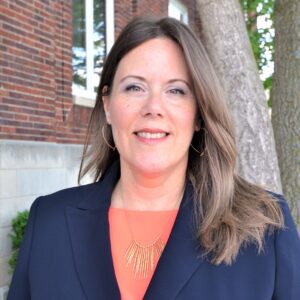
Andrea Dickerson is a Licensed Therapist and Certified Substance Use Counselor who has worked in behavioral health since 1997. Currently, Andrea is the Director of Behavioral Health, overseeing the Ember residential treatment programs and YSS outpatient counseling clinics throughout Central and North Central Iowa. She became a Motivational Interviewing (MI) trainer in 2006 and provides MI trainings throughout Iowa.
Andrea specializes in working with adolescents and their families and enjoys seeing the family relationships grow through therapy. Andrea is also a CARF International Surveyor, going around North America ensuring behavioral health organizations are meeting required standards.
In her free time, Andrea enjoys cheering on the Iowa Hawkeyes and Chicago Cubs, as well as being an active member of Soroptimist International of the Americas (SIA), a global organization that provides women and girls with access to the education and training they need to achieve economic empowerment. She has been a member of the SI of Des Moines club since 2012 and has been actively involved at the regional level, currently serving as Co-Governor of the Peaks to Plains Region.
Through her involvement in SIA, Andrea has been actively involved in the Dream Programs, coordinating annual Dream It, Be It: Career Support for Girls projects, which give girls the tools they need to achieve their education and career goals, empowering them to break cycles of poverty, violence, and abuse.