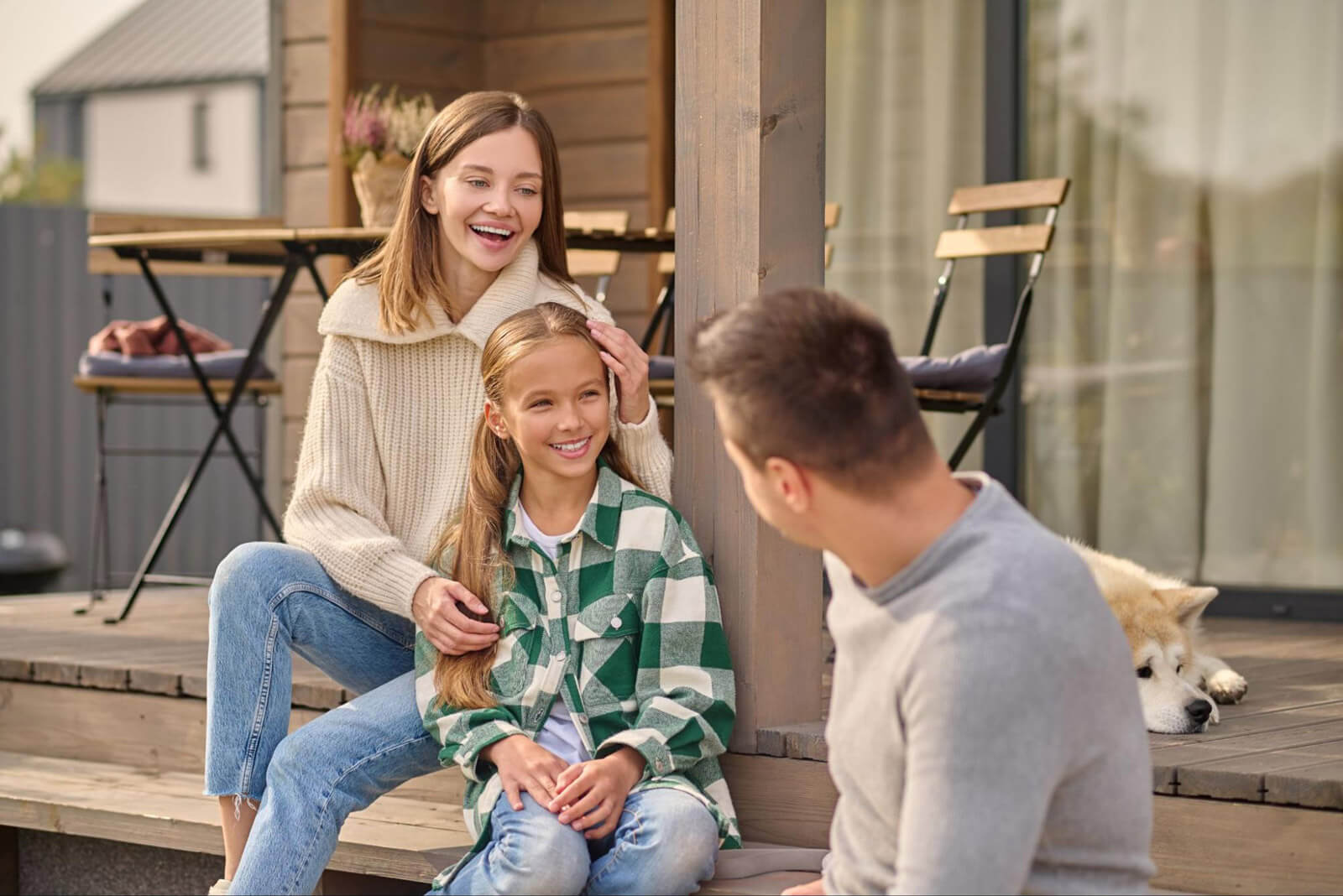
The transition home after residential treatment is a pivotal moment in your young person’s recovery journey. While completing an adolescent drug treatment program represents a significant milestone, the real work of sustaining recovery happens in the everyday environment where your child or young adult lives. Creating a supportive home atmosphere requires planning, consistent routines, and open communication, not perfection.
At Ember Recovery, we understand that families need practical guidance for life after discharge. Our licensed clinicians provide comprehensive aftercare planning to help you structure your home environment for lasting recovery.
Establish Consistent Daily Routines
Young people thrive with structure, especially during early recovery. Work together to create predictable daily routines that include:
- Regular sleep and wake times to regulate mood and reduce vulnerability to triggers
- Scheduled mealtimes that bring the family together without pressure
- Dedicated time for aftercare commitments like outpatient therapy, support groups, or follow-up appointments
- Healthy activities that replace previous patterns
Consistency doesn’t mean rigidity. Build routines that accommodate your child’s growing independence while providing the stability recovery requires. For adolescents ages 12-17 and young adults ages 18-24, this balance looks different. Tailor your approach to their developmental stage while maintaining the structure that supports healing.
Set Clear Boundaries With Compassion
Boundaries protect recovery without punishing the person in recovery. When searching for “adolescent drug treatment near me,” you’re looking for programs that teach these essential life skills. Ember Recovery helps families establish clear expectations around:
- Substance-free environment: Remove alcohol and medications that could trigger relapse
- Communication protocols: When and how you’ll check in without micromanaging
- Accountability measures: Drug screenings, curfews, or transparency about whereabouts (agreed upon collaboratively)
- Consequences that support recovery: Rather than punishment, frame boundaries around natural outcomes and additional support
Frame boundaries as commitments you’re making together, not rules imposed from above. Your child should have input in creating these guidelines, fostering ownership over their recovery journey. Setting boundaries is essential to protecting both their recovery and your family’s well-being.
Prioritize Open, Non-Judgmental Communication
Communication patterns established in the early weeks at home set the tone for long-term recovery support. Create emotional safety through:
- Active listening: Hear concerns without immediately problem-solving or lecturing
- Regular check-ins: Brief, consistent conversations normalize discussion about recovery challenges
- Expressing emotions appropriately: Model healthy emotional expression and validate their feelings
- Avoiding stigmatizing language: Replace judgment with compassion and curiosity
Recovery isn’t linear. Your child will face challenges, cravings, and difficult days. When they can communicate openly without fear of judgment, they’re more likely to ask for help before a setback becomes a crisis.
Reduce Environmental Triggers
Examine your home environment for substances, situations, or relationship dynamics that could undermine recovery:
- Store medications securely and dispose of unused prescriptions
- Limit or eliminate alcohol in the home during early recovery
- Address family conflict patterns identified during family therapy
- Support gradual reintegration with peers, prioritizing healthy friendships
Your child’s aftercare plan from Ember Recovery will identify specific triggers. Collaborate with them to modify the home environment accordingly. Our 24/7 supervised care during treatment helps identify these triggers so you can address them proactively at home.
Follow Through With Aftercare Recommendations
Ember Recovery’s evidence-based aftercare planning provides individualized recommendations for sustaining recovery. Supporting your child means:
- Facilitating transportation to outpatient therapy and support groups
- Maintaining contact with aftercare coordinators
- Reinforcing skills learned during residential treatment
- Recognizing warning signs and knowing how to respond
Aftercare isn’t optional; it’s essential. Studies show that participation in continuing care significantly reduces relapse rates among young people. Research from SAMHSA emphasizes that ongoing support and community connections are critical components of sustained recovery.
Building Recovery Together
Creating a supportive home environment after residential treatment requires patience, consistency, and collaboration. At Ember Recovery, we help Iowa families navigate this transition through evidence-based treatment, licensed clinicians, and comprehensive aftercare planning in a safe, homelike atmosphere.
Healing starts with hope. Recovery is possible, and you don’t have to navigate it alone. If you’re searching for “adolescent drug treatment near me,” Ember Recovery provides the trusted, compassionate care your family needs.
Contact us today to learn more about our residential addiction treatment programs for adolescents ages 12-17 and young adults ages 18-24, and how we support families throughout the recovery journey.
Sources:
[1] https://pmc.ncbi.nlm.nih.gov/articles/PMC4152944/ [2] https://www.samhsa.gov/substance-use/recovery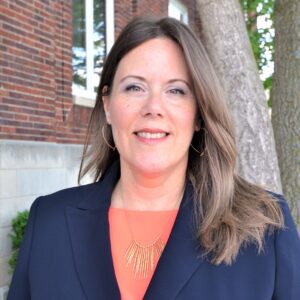
Andrea Dickerson is a Licensed Therapist and Certified Substance Use Counselor who has worked in behavioral health since 1997. Currently, Andrea is the Director of Behavioral Health, overseeing the Ember residential treatment programs and YSS outpatient counseling clinics throughout Central and North Central Iowa. She became a Motivational Interviewing (MI) trainer in 2006 and provides MI trainings throughout Iowa.
Andrea specializes in working with adolescents and their families and enjoys seeing the family relationships grow through therapy. Andrea is also a CARF International Surveyor, going around North America ensuring behavioral health organizations are meeting required standards.
In her free time, Andrea enjoys cheering on the Iowa Hawkeyes and Chicago Cubs, as well as being an active member of Soroptimist International of the Americas (SIA), a global organization that provides women and girls with access to the education and training they need to achieve economic empowerment. She has been a member of the SI of Des Moines club since 2012 and has been actively involved at the regional level, currently serving as Co-Governor of the Peaks to Plains Region.
Through her involvement in SIA, Andrea has been actively involved in the Dream Programs, coordinating annual Dream It, Be It: Career Support for Girls projects, which give girls the tools they need to achieve their education and career goals, empowering them to break cycles of poverty, violence, and abuse.