
When a young person struggles with substance use, academic performance often becomes one of the first visible warning signs. If your teen is suddenly failing classes, missing deadlines, or losing motivation for educational goals they once valued, substance use may be interfering with their ability to succeed. Understanding this connection is the first step toward finding effective solutions and exploring juvenile drug treatment programs in Iowa.
Research indicates that high school students who report substance use are significantly more likely to experience lower grades and chronic absenteeism. For adolescents, these academic consequences can derail educational paths and future opportunities, but with the right support, recovery and academic success are absolutely possible.
The Direct Impact on Brain Function
Substance use directly affects the areas of the brain responsible for learning and memory. Young people’s brains are still developing, making them particularly vulnerable to these effects, as research from the National Institute on Drug Abuse shows.
- Concentration and Focus: Substances impair the brain’s ability to filter distractions and maintain attention during lectures, study sessions, or exams. Students may find themselves reading the same paragraph repeatedly without comprehension or zoning out during important class discussions.
- Memory Formation: Both short-term and long-term memory can be affected when substance use becomes regular. Remembering lecture content, assignment due dates, or material for exams may become increasingly difficult, even for students who previously excelled academically.
- Processing Speed: Decision-making and information processing slow down significantly, making timed tests and quick problem-solving far more challenging than before.
The Behavioral and Motivational Consequences
Beyond cognitive effects, substance use creates behavioral patterns that undermine academic success.
- Attendance Problems: Missing morning classes becomes routine as young people struggle with the aftereffects of substance use. According to studies, students with substance use issues miss significantly more class time.
- Declining Motivation: The reward system in the brain becomes rewired around substance use rather than academic achievement. Goals that once felt meaningful, like graduating or personal growth, lose their importance.
- Changed Priorities: Social activities centered around substance use replace study groups, extracurricular activities, and campus involvement that support educational success.
- Sleep Disruption: Irregular sleep patterns interfere with memory consolidation and cognitive function, creating a cycle that makes academic performance progressively worse.
Grade Decline and Long-Term Consequences
The cumulative effect shows up clearly in academic records. Students may experience:
- Failing grades in previously strong subjects
- Academic probation or suspension
- Loss of scholarships or financial aid
- Delayed graduation or complete withdrawal from school
- Damaged relationships with teachers, coaches, and academic advisors
These consequences can feel overwhelming, but they do not have to be permanent. Understanding the unique challenges of teen addiction is crucial for finding the right path forward.
How Juvenile Drug Treatment Programs in Iowa Support Academic Recovery
At Ember Recovery in Cambridge, Iowa, we have helped over 5,000 young people through residential addiction treatment programs. Our approach recognizes that recovery must address the whole person, including their educational goals and future aspirations. Healing starts with hope, and our evidence-based programs provide the foundation for both personal recovery and academic success.
- Safe, Supervised Environment: Our homelike residential setting provides 24/7 supervision with licensed clinicians, helping teens establish healthy routines that support both recovery and learning in a safe atmosphere.
- Evidence-Based Treatment: Through individualized care, we address both substance use and any co-occurring mental health conditions through our dual diagnosis treatment program.
- Educational Continuity: Our on-site education program ensures students do not fall further behind academically while receiving treatment. The role of academics while undergoing substance abuse programs helps students maintain their educational momentum so they can continue coursework and prepare to return to school.
- Family Partnership: Through programs like Multidimensional Family Therapy, we help families understand how to support their teen’s academic and recovery goals. Family therapy provides support systems that extend beyond treatment and empowers caregivers as essential partners.
- Aftercare Planning: We develop comprehensive plans for returning to school with strategies to maintain recovery and academic success through ongoing support.
As part of YSS, Iowa’s oldest and largest youth-serving nonprofit with nearly five decades of experience since 1976, we understand what adolescents need to reclaim their educational futures and build healthy, hopeful lives.
Take the First Step Toward Academic and Personal Success
If substance use is derailing your child’s academic performance, hope and help are available right here in Iowa. Recovery can restore their ability to focus, learn, and pursue the future they deserve. Healing starts with hope, and our juvenile drug treatment programs in Iowa provide the safe, evidence-based care your family needs.
Contact Ember Recovery today to learn more about how our residential treatment programs in Iowa can help your teen reclaim both their recovery and their educational goals. Our licensed clinicians are here to answer your questions and guide your family toward a healthier future.
Source:
[1] https://drugabusestatistics.org/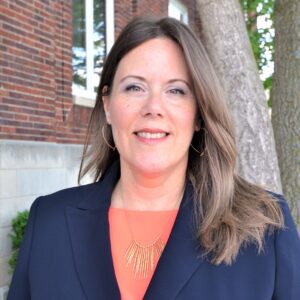
Andrea Dickerson is a Licensed Therapist and Certified Substance Use Counselor who has worked in behavioral health since 1997. Currently, Andrea is the Director of Behavioral Health, overseeing the Ember residential treatment programs and YSS outpatient counseling clinics throughout Central and North Central Iowa. She became a Motivational Interviewing (MI) trainer in 2006 and provides MI trainings throughout Iowa.
Andrea specializes in working with adolescents and their families and enjoys seeing the family relationships grow through therapy. Andrea is also a CARF International Surveyor, going around North America ensuring behavioral health organizations are meeting required standards.
In her free time, Andrea enjoys cheering on the Iowa Hawkeyes and Chicago Cubs, as well as being an active member of Soroptimist International of the Americas (SIA), a global organization that provides women and girls with access to the education and training they need to achieve economic empowerment. She has been a member of the SI of Des Moines club since 2012 and has been actively involved at the regional level, currently serving as Co-Governor of the Peaks to Plains Region.
Through her involvement in SIA, Andrea has been actively involved in the Dream Programs, coordinating annual Dream It, Be It: Career Support for Girls projects, which give girls the tools they need to achieve their education and career goals, empowering them to break cycles of poverty, violence, and abuse.