
When a young person struggles with substance use, it’s rarely just about drugs or alcohol. For many teens, addiction exists alongside mental health challenges that fuel their substance use, and without identifying these underlying conditions, recovery remains incomplete.
Understanding why mental health screening matters in adolescent drug treatment in Iowa programs can make the difference between short-term improvement and lasting healing for your child.
The Hidden Connection Between Mental Health and Substance Use
Approximately 1 in 6 people struggle with substance use, and 90% begin during their teen years. What many families don’t realize is that co-occurring mental health disorders are present in a significant portion of young people entering treatment.
Depression, anxiety, trauma, ADHD, and mood disorders frequently overlap with substance use behaviors. A teen using marijuana might actually be self-medicating for undiagnosed anxiety. Another youth could be turning to substances to manage untreated depression. Without comprehensive mental health screening, clinicians may only treat surface-level symptoms while the root causes remain unaddressed.
This is why adolescent drug treatment centers near Des Moines and across Iowa increasingly emphasize dual diagnosis capabilities: the ability to treat both addiction and mental health conditions simultaneously.
Why Screening Must Happen Early in Treatment
Mental health screening should occur during the initial assessment phase of any quality adolescent drug treatment program in Iowa. Early screening allows licensed clinicians to:
- Identify co-occurring disorders that require integrated treatment approaches.
- Differentiate symptoms that stem from substance use versus those from mental health conditions.
- Create individualized treatment plans addressing all factors contributing to addiction.
- Reduce relapse risk by treating the whole person, not just the substance use.
Without this comprehensive assessment, treatment teams may mistake mental health symptoms for behavioral issues or miss critical diagnoses entirely. For example, impulsivity from untreated ADHD might be misinterpreted as defiance, while trauma responses could be seen as manipulation.
The Foundation of Effective Recovery
When mental health disorders go unidentified and untreated during addiction treatment, young people face significantly higher relapse risks. They return to their communities still struggling with the emotional pain, intrusive thoughts, or dysregulated moods that led them to substances in the first place.
Research shows that integrated treatment for co-occurring disorders produces better outcomes than treating either condition alone. This is why dual diagnosis adolescent treatment centers in Cambridge facilities and programs across Iowa prioritize comprehensive mental health screening as a foundation for effective care.
Healing starts with hope, and hope begins when young people receive care that addresses their complete needs, not just one piece of the puzzle.
How Ember Recovery Approaches Mental Health Screening
At Ember Recovery, mental health screening is built into our evidence-based, trauma-informed treatment approach. Our licensed clinicians conduct thorough assessments that examine:
- Current and past mental health symptoms
- Family history of mental health conditions
- Trauma exposure and adverse childhood experiences
- Behavioral patterns and emotional regulation
- Academic and social functioning
Our teen addiction treatment center approach creates individualized treatment plans that address both substance use and mental health together, incorporating trauma-informed care, evidence-based interventions, and dedicated family involvement through programs like Multidimensional Family Therapy.
We provide 24/7 supervision in a safe, homelike atmosphere where young people can focus on healing with the support of caring professionals who truly understand their challenges.
What Parents Should Look for in Treatment Programs
When researching adolescent treatment centers near Des Moines, ask specific questions about mental health screening:
- What screening tools and assessments are used?
- Are licensed clinicians involved in the assessment process?
- How do treatment plans integrate mental health and addiction care?
- What evidence-based therapies address co-occurring disorders?
- How does the program involve families in understanding diagnoses?
Quality residential treatment centers should provide clear answers demonstrating their dual diagnosis capabilities and commitment to comprehensive care. Don’t hesitate to ask about licensure, accreditation, and the specific therapeutic approaches used; these questions reflect your dedication to finding the right fit for your family.
Finding Hope Through Comprehensive Care
Mental health screening isn’t just a checkbox in the treatment process; it’s the foundation for truly individualized, effective recovery. When young people receive integrated care that addresses both addiction and mental health, they gain the tools to build healthier futures and discover that healing truly starts with hope.
If your adolescent is struggling with substance use, Ember Recovery’s comprehensive approach starts with understanding the whole person. Our licensed clinicians provide evidence-based care in a supportive atmosphere where families are valued partners in the recovery journey.
Contact us today to learn more about our adolescent residential treatment programs and how we help families begin the journey toward lasting healing. Understanding the connection between mental health and addiction is the first step toward comprehensive recovery, and we’re here to walk alongside you every step of the way.
Source:
[1] https://www.nimh.nih.gov/health/topics/substance-use-and-mental-health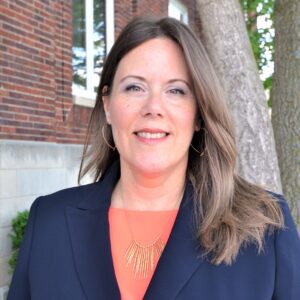
Andrea Dickerson is a Licensed Therapist and Certified Substance Use Counselor who has worked in behavioral health since 1997. Currently, Andrea is the Director of Behavioral Health, overseeing the Ember residential treatment programs and YSS outpatient counseling clinics throughout Central and North Central Iowa. She became a Motivational Interviewing (MI) trainer in 2006 and provides MI trainings throughout Iowa.
Andrea specializes in working with adolescents and their families and enjoys seeing the family relationships grow through therapy. Andrea is also a CARF International Surveyor, going around North America ensuring behavioral health organizations are meeting required standards.
In her free time, Andrea enjoys cheering on the Iowa Hawkeyes and Chicago Cubs, as well as being an active member of Soroptimist International of the Americas (SIA), a global organization that provides women and girls with access to the education and training they need to achieve economic empowerment. She has been a member of the SI of Des Moines club since 2012 and has been actively involved at the regional level, currently serving as Co-Governor of the Peaks to Plains Region.
Through her involvement in SIA, Andrea has been actively involved in the Dream Programs, coordinating annual Dream It, Be It: Career Support for Girls projects, which give girls the tools they need to achieve their education and career goals, empowering them to break cycles of poverty, violence, and abuse.