
When you suspect your teenager is struggling with substance use, the uncertainty can feel daunting. You know something needs to change, but you are unsure where to start or who to trust. The clinical addiction assessment process exists to answer your questions and chart a clear, actionable path forward. Rather than serving as a punitive measure, this evaluation helps our clinical team gain a thorough understanding of your family’s unique needs to build a customized recovery plan for your teenager.
At Ember Recovery, we have supported thousands of families through this critical transition. Let us walk through exactly what happens during a clinical evaluation so you can approach the intake process with confidence.
When Should You Seek an Assessment?
Trust your instincts as a parent. If you have noticed behavioral changes, sudden academic decline, or physical health concerns, it is time to reach out. An evaluation is never reserved solely for crisis moments; early intervention consistently leads to better long-term recovery outcomes for adolescents. Consider seeking a professional assessment if your teen is:
- Using alcohol or drugs regularly or in high-risk situations
- Experiencing severe mood shifts, withdrawal from family, or declining school performance
- Facing legal consequences related to their substance use
- Struggling with co-occurring mental health concerns like depression, trauma, or anxiety
- Showing a sudden change in friend groups or losing interest in past hobbies
The Initial Contact: Starting the Conversation
Calling an adolescent treatment program in Iowa begins the intake process. During this initial conversation, a dedicated admissions specialist will:
- Listen to your current challenges and concerns
- Ask general questions about substance use patterns and behaviors
- Discuss your household’s immediate needs and safety protocols
- Explain the upcoming clinical steps and expected timeline
- Verify your insurance benefits and discuss financial options
- This call typically takes 30 to 45 minutes. Parents often feel immediate relief by sharing their burden with someone who understands adolescent addiction care. We recognize the courage it takes to ask for help, and our team is ready to guide you without judgment.
The Clinical Evaluation: Understanding the Full Picture
The evaluation involves gathering multi-dimensional information across several areas of your teen’s life. Our staff uses verified clinical tools to ensure an accurate picture.
Substance Use History
Professionals evaluate which substances are used, frequency, historical progression, and previous attempts to quit. This determines the severity of substance involvement and whether withdrawal management is necessary. Our safe detox process includes continuous monitoring by trained staff to ensure maximum physical comfort.
Mental Health Assessment
Many teenagers facing substance challenges also navigate co-occurring mental health conditions. Our dual diagnosis approach evaluates underlying issues such as depression, severe anxiety, trauma symptoms, and baseline emotional regulation skills. Understanding this psychological connection is essential for effective, long-lasting treatment.
Family and Environmental Factors
Recovery does not happen in a vacuum. We review household dynamics, peer relationships, and academic history alongside your teen’s natural strengths and personal interests. This holistic view directly informs our family therapy strategy. We recognize that educating and supporting the household directly strengthens the individual’s recovery outcomes.
This phase also includes assessing the student’s academic status to seamlessly integrate schooling into their recovery plan.
Safety and Risk Assessment
We conduct a thorough review of immediate safety concerns, including thoughts of self-harm or high-risk behaviors requiring urgent medical or psychiatric intervention. If a crisis is identified, we provide the appropriate stabilization services immediately.
Determining the Appropriate Level of Care
The clinical team reviews the findings directly with your family. They will explain the results, recommend a specific level of care, and outline what to expect at our Cambridge, Iowa, facility. By integrating a Pacific Northwest hospitality filter into Midwest treatment, our campus ensures the physical environment feels welcoming, dignified, and highly comfortable rather than sterile or strictly clinical. Natural light, comfortable meeting spaces, and a respectful atmosphere allow teenagers to focus entirely on healing.
Our residential programs are specifically tailored for adolescents, providing highly individualized, developmentally appropriate support for teenagers navigating this critical phase of their lives.
What Makes Ember Recovery Different?
Our process reflects nearly five decades of expertise with Iowa’s oldest youth-serving nonprofit. By identifying strengths alongside immediate challenges, we empower adolescents to build healthy futures. Every clinical decision is grounded in research, allowing families to trust our safety standards.
Taking the First Step Forward
The assessment process marks the true beginning of healing. You do not have to navigate this journey alone. Contact Ember Recovery today to learn more about our intake process and how an adolescent treatment program in Iowa can support your family’s journey toward a healthier future.
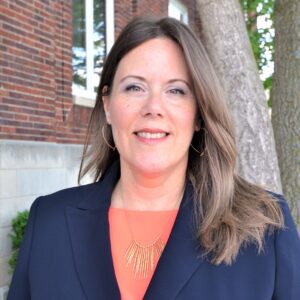
Andrea Dickerson is a Licensed Therapist and Certified Substance Use Counselor who has worked in behavioral health since 1997. Currently, Andrea is the Director of Behavioral Health, overseeing the Ember residential treatment programs and YSS outpatient counseling clinics throughout Central and North Central Iowa. She became a Motivational Interviewing (MI) trainer in 2006 and provides MI trainings throughout Iowa.
Andrea specializes in working with adolescents and their families and enjoys seeing the family relationships grow through therapy. Andrea is also a CARF International Surveyor, going around North America ensuring behavioral health organizations are meeting required standards.
In her free time, Andrea enjoys cheering on the Iowa Hawkeyes and Chicago Cubs, as well as being an active member of Soroptimist International of the Americas (SIA), a global organization that provides women and girls with access to the education and training they need to achieve economic empowerment. She has been a member of the SI of Des Moines club since 2012 and has been actively involved at the regional level, currently serving as Co-Governor of the Peaks to Plains Region.
Through her involvement in SIA, Andrea has been actively involved in the Dream Programs, coordinating annual Dream It, Be It: Career Support for Girls projects, which give girls the tools they need to achieve their education and career goals, empowering them to break cycles of poverty, violence, and abuse.