Watching your teen complete residential treatment is a moment filled with both pride and apprehension. You have seen them grow stronger, develop healthier coping mechanisms, and reconnect with their authentic self. But as discharge day approaches, many families ask what comes next. Understanding that recovery is an ongoing journey, not a destination, helps ease the transition from residential care to daily life.
The truth is, completing adolescent drug rehab is not the end of your teen’s recovery story. It is the beginning of a new chapter where they apply everything learned in a structured environment to the real world. With proper planning and continued support, this transition builds directly upon the foundation established during their residential stay.
Recovery Continues Beyond Discharge
At Ember Recovery, we have supported thousands of families through residential addiction treatment, knowing that successful long-term recovery depends on comprehensive aftercare planning. Before your teen leaves our Cambridge facility, our licensed clinicians work closely with your family to develop a personalized continuation plan addressing unique needs and circumstances.
Recovery does not end when someone walks out of a treatment center’s doors; it keeps evolving. The coping strategies, therapeutic insights, and healthy habits developed during residential treatment become the tools your teen uses to navigate everyday challenges. This evidence-based approach to aftercare ensures healing continues seamlessly as a natural extension of their progress.
Core Components of Ongoing Recovery
Outpatient Therapy and Counseling
Ongoing therapy provides consistent support as your teen adjusts to life outside residential care. Individual counseling sessions with licensed clinicians help them process new experiences, manage triggers, and maintain progress. Many families find that weekly or bi-weekly sessions create helpful accountability and continuity.
For those with dual diagnosis needs, continued mental health support remains essential. Co-occurring disorders require ongoing management, and maintaining therapeutic relationships helps prevent relapse triggers often associated with untreated mental health symptoms.
Family Involvement and Support
Recovery involves the entire family system. Family therapy sessions continue to strengthen communication patterns, rebuild trust, and establish healthy boundaries, allowing families to support recovery while maintaining their own well-being.
Parents and caregivers play a crucial role in creating a home environment that supports sobriety by establishing new family routines and recognizing warning signs early. Your involvement shows your teen that they are not alone in this journey.
Community Support and Peer Connections
Connection with others in recovery provides invaluable support. Support groups specifically for adolescents help combat isolation and create a sober peer network through 12-step programs, SMART Recovery meetings, and local youth-oriented community resources.
Participating in sober social activities proves that fun does not require substances, helping build a healthy future while reinforcing the progress made during adolescent drug rehab.
Education and Life Skills Development
Returning to school while maintaining recovery requires careful planning. Our on-site education program ensures adolescents do not fall behind academically, while aftercare planning addresses school responsibilities alongside sobriety, helping them navigate academic transitions successfully.
Relapse Prevention Strategies
Understanding that setbacks can occur helps families respond effectively with compassion rather than judgment. Aftercare planning includes identifying personal triggers, developing crisis response plans, and knowing when to seek additional support from licensed clinicians.
Having concrete relapse prevention strategies means your teen recognizes warning signs early and knows the exact steps to take, whether that involves calling a therapist or attending a support meeting. This proactive approach builds confidence and resilience.
Building a Healthy Future Together
Recovery is a long process that extends far beyond residential treatment. With comprehensive aftercare planning, family involvement, and ongoing support from licensed clinicians, your teen can continue building a healthy, substance-free future. As part of YSS, Iowa’s oldest and largest youth-serving nonprofit, we have witnessed countless adolescents successfully navigate this transition with hope and healing.
Healing starts with hope, and that hope continues long after adolescent drug rehab ends. Through evidence-based care, continuous supervision during residential treatment, and carefully planned aftercare, we create the foundation for lasting recovery in a safe, homelike atmosphere.
Ready to learn more about how we support lasting recovery for adolescents? Contact Ember Recovery today to discover our comprehensive approach to youth empowerment and building healthy futures through individualized, evidence-based treatment.
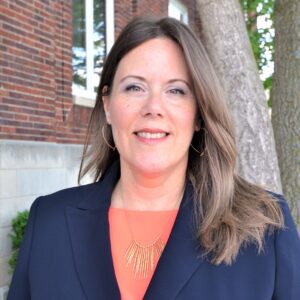
Andrea Dickerson is a Licensed Therapist and Certified Substance Use Counselor who has worked in behavioral health since 1997. Currently, Andrea is the Director of Behavioral Health, overseeing the Ember residential treatment programs and YSS outpatient counseling clinics throughout Central and North Central Iowa. She became a Motivational Interviewing (MI) trainer in 2006 and provides MI trainings throughout Iowa.
Andrea specializes in working with adolescents and their families and enjoys seeing the family relationships grow through therapy. Andrea is also a CARF International Surveyor, going around North America ensuring behavioral health organizations are meeting required standards.
In her free time, Andrea enjoys cheering on the Iowa Hawkeyes and Chicago Cubs, as well as being an active member of Soroptimist International of the Americas (SIA), a global organization that provides women and girls with access to the education and training they need to achieve economic empowerment. She has been a member of the SI of Des Moines club since 2012 and has been actively involved at the regional level, currently serving as Co-Governor of the Peaks to Plains Region.
Through her involvement in SIA, Andrea has been actively involved in the Dream Programs, coordinating annual Dream It, Be It: Career Support for Girls projects, which give girls the tools they need to achieve their education and career goals, empowering them to break cycles of poverty, violence, and abuse.