
When young people struggle with substance use, the path to recovery often reveals deeper emotional wounds beneath the surface. Research shows that a significant number of adolescents entering adolescent addiction treatment programs in Iowa have experienced adverse life events that shaped their relationship with substances. At Ember Recovery, we understand that effective treatment must address not just the addiction but the underlying experiences that contributed to it.
Healing starts with hope, and that hope begins when young people feel truly safe, understood, and empowered in their recovery journey.
What Is Trauma-Informed Care?
Trauma-informed care represents a fundamental shift in how treatment providers approach recovery. Rather than asking what is wrong with this person, this approach asks what happened to them. According to research, this perspective recognizes that behaviors associated with substance use, including emotional dysregulation, difficulty trusting others, and using substances to cope, often develop as adaptive responses to overwhelming experiences.
Trauma-informed care does not require young people to disclose or discuss traumatic events in detail. Instead, it creates an environment where healing can occur naturally through safety, stability, and supportive relationships.
For adolescents ages 12 through 17, this approach is particularly crucial. These developmental stages involve navigating identity formation, peer relationships, and significant life transitions. When complicated by both substance use and unresolved emotional challenges, these young people need care that honors their experiences while empowering their future.
The Five Core Principles of Trauma-Informed Care
1. Safety: Creating Secure Environments
Physical and emotional safety form the foundation of trauma-informed treatment. At our Cambridge facility, this means maintaining a homelike atmosphere with continuous supervision by licensed clinicians who prioritize predictability, clear boundaries, and respectful communication.
Young people need to know they are in a space where their well-being comes first, where they will not be judged, shamed, or retraumatized during their recovery process. Our evidence-based approach includes comprehensive medical assessments and safe detox protocols that prioritize comfort and security during the vulnerable early stages of treatment.
2. Trust and Transparency
Building trust takes time, especially for young people whose past experiences may have taught them that adults are not reliable or safe. Trauma-informed programs establish trust through consistent actions, transparent policies, and honest communication about treatment expectations and processes.
Our team of licensed clinicians recognizes that trust is earned through showing up every day with genuine care, professional expertise, and reliable follow-through.
3. Collaboration and Mutuality
True healing happens when young people actively participate in their own recovery rather than having treatment forced upon them. Trauma-informed care emphasizes collaboration, ensuring adolescents have meaningful input in their individualized treatment plans.
This partnership approach extends to families through evidence-based modalities like family therapy, recognizing that sustainable recovery involves the entire family system. Parents and caregivers play an essential role in supporting their loved one’s journey toward healing.
4. Empowerment and Choice
Trauma often involves experiences where young people felt powerless. Trauma-informed treatment deliberately creates opportunities for choice, voice, and empowerment within appropriate therapeutic boundaries.
When adolescents recognize they have agency in their recovery, realizing they can learn new coping skills, make different choices, and build the future they envision, hope replaces helplessness. This empowerment becomes the foundation for building healthy futures beyond treatment.
5. Emotional Regulation and Cultural Humility
Effective trauma-informed care recognizes that cultural identity, background, and experiences shape how young people understand themselves and their world. By fostering emotional regulation skills alongside an inclusive treatment environment, all young people receive affirming, respectful care that honors their whole identity and lived experiences.
How Trauma-Informed Approaches Enhance Recovery Outcomes
When young people feel safe and supported, they become more engaged in treatment. Research demonstrates that trauma-informed approaches improve treatment retention, increase the therapeutic alliance between clients and clinicians, and lead to better long-term outcomes.
Our gender-specific programs for adolescents integrate trauma-informed principles throughout every aspect of care, ranging from initial assessment and safe detox through individualized treatment and aftercare planning.
Building Healthy Futures Through Compassionate Care
Understanding trauma-informed care helps families recognize why comprehensive, empathetic treatment makes such a profound difference. At Ember Recovery in Cambridge, Iowa, we are committed to providing adolescents ages 12 through 17 with the safe, supportive environment they need to heal from both substance use and underlying trauma.
Ready to learn more? Contact Ember Recovery today to learn how our trauma-informed approach to residential addiction treatment can support your family’s journey toward healing and help your loved one build the healthy future they deserve.
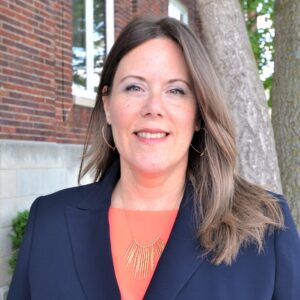
Andrea Dickerson is a Licensed Therapist and Certified Substance Use Counselor who has worked in behavioral health since 1997. Currently, Andrea is the Director of Behavioral Health, overseeing the Ember residential treatment programs and YSS outpatient counseling clinics throughout Central and North Central Iowa. She became a Motivational Interviewing (MI) trainer in 2006 and provides MI trainings throughout Iowa.
Andrea specializes in working with adolescents and their families and enjoys seeing the family relationships grow through therapy. Andrea is also a CARF International Surveyor, going around North America ensuring behavioral health organizations are meeting required standards.
In her free time, Andrea enjoys cheering on the Iowa Hawkeyes and Chicago Cubs, as well as being an active member of Soroptimist International of the Americas (SIA), a global organization that provides women and girls with access to the education and training they need to achieve economic empowerment. She has been a member of the SI of Des Moines club since 2012 and has been actively involved at the regional level, currently serving as Co-Governor of the Peaks to Plains Region.
Through her involvement in SIA, Andrea has been actively involved in the Dream Programs, coordinating annual Dream It, Be It: Career Support for Girls projects, which give girls the tools they need to achieve their education and career goals, empowering them to break cycles of poverty, violence, and abuse.