
When your teen or young adult is struggling with substance use, choosing between residential and outpatient care can feel overwhelming. With 1 in 6 individuals facing substance use challenges and 90% starting as teens, understanding which level of care best supports your child’s recovery journey is crucial.
At Ember Recovery, part of YSS (Iowa’s oldest and largest youth-serving nonprofit since 1976), we’ve guided over 5,000 families through this important decision. Below, we explain the differences between residential and outpatient care so you can make an informed choice for your child.
Understanding Residential Treatment
Residential treatment provides 24/7 supervised care in a structured, homelike environment. Teenagers and young adults live on-site while receiving intensive, evidence-based therapy, education, and recovery support from licensed clinicians.
Residential care works best when:
- Substance use has become severe or life-threatening
- Co-occurring mental health conditions require dual diagnosis treatment
- Previous outpatient programs haven’t succeeded
- The home environment includes triggers or negative influences
- Detox or medical supervision is necessary for safety
- Round-the-clock support is crucial for stability
Our Iowa residential treatment center for troubled teens offers gender-specific programs, LGBTQIA+ inclusive care, and trauma-informed therapy tailored to each individual. With 6,500+ overnight stays annually, Ember provides an environment where safety, structure, and healing come first.
For teens in acute crisis needing immediate stabilization before long-term care, explore our Crisis Stabilization program.
Understanding Outpatient Care
Outpatient programs allow teens and young adults to live at home while attending scheduled therapy sessions. Treatment frequency ranges from a few hours per week to several hours daily in Intensive Outpatient Programs (IOP).
Outpatient care works best when:
- Substance use is identified early
- The teen has strong family support
- A stable, substance-free home environment exists
- Daily responsibilities, such as school or work, must continue
- Transitioning from residential care for continued support
- The teen shows motivation for recovery
Outpatient care empowers youth to apply what they learn in real-life environments, building life skills and accountability while staying connected to their communities.
Key Differences at a Glance
| Aspect | Residential Treatment | Outpatient Treatment |
| Structure & Support | 24/7 licensed clinical supervision in a structured, therapeutic environment. | Scheduled therapy sessions while living at home. |
| Treatment Intensity | Multiple daily interventions and activities; constant support. | A few weekly sessions to intensive daily programming (IOP). |
| Environment | Removes the teen from triggers; creates a healing, substance-free space. | Requires managing recovery within real-world environments. |
| Family Involvement | Family therapy and parent education are integrated into treatment. | Family sessions occur weekly or biweekly. |
| Best For | Severe substance use, safety concerns, or previous treatment failures. | Early intervention, ongoing support, or step-down after residential care. |
Decision Checklist for Parents
Making the right choice depends on your child’s circumstances, progress, and support system. Use this checklist to assess your situation:
Consider Residential Treatment If:
- ☐ Previous outpatient treatment has been ineffective
- ☐ Substance use is severe or escalating quickly
- ☐ Co-occurring mental health diagnoses are present
- ☐ Medical detox or supervision is required
- ☐ The home environment is unsafe or unstable
- ☐ School or social functioning has significantly declined
- ☐ Professional guidance and structured support are needed
- ☐ Your teen requires 24/7 monitoring for safety
Consider Outpatient Treatment If:
- ☐ Substance use was identified early
- ☐ Your teen is maintaining daily responsibilities
- ☐ Strong family support exists at home
- ☐ No immediate safety risks are present
- ☐ Transitioning from residential treatment
- ☐ Your teen is motivated for recovery
- ☐ A substance-free, supportive home environment is present
Why Ember Recovery’s Approach Works
At Ember, treatment is designed specifically for adolescents (ages 12–17) and young adults (ages 18–24), recognizing the unique developmental needs of each group. Our team blends clinical expertise with youth empowerment, helping teens rebuild confidence, take on responsibility, and develop healthy coping mechanisms.
Our Comprehensive Services Include:
- Gender-specific residential programs with licensed clinicians
- Dual diagnosis care for mental health and substance use disorders
- Trauma-informed therapy that addresses underlying causes
- Education services ensuring academic continuity
- LGBTQIA+ inclusive, affirming environment
- Transition planning and aftercare for lasting recovery
With nearly five decades of YSS experience, we create safe, homelike settings where young people rediscover hope and belonging while working toward sustainable recovery.
Taking the Next Step
Choosing between residential and outpatient treatment isn’t always straightforward. The right choice depends on your child’s level of need, current risks, and available support, and you don’t have to decide alone.
Ember Recovery offers compassionate, confidential assessments to help families determine the most appropriate starting point. Whether your teen needs intensive residential support or the flexibility of outpatient care, we’re here to guide every step.
Learn more or contact us today to begin your family’s recovery journey with Iowa’s trusted partner in youth healing.
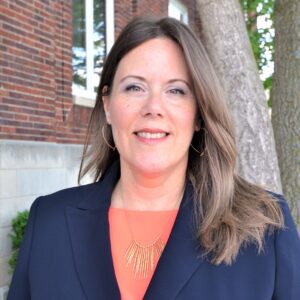
Andrea Dickerson is a Licensed Therapist and Certified Substance Use Counselor who has worked in behavioral health since 1997. Currently, Andrea is the Director of Behavioral Health, overseeing the Ember residential treatment programs and YSS outpatient counseling clinics throughout Central and North Central Iowa. She became a Motivational Interviewing (MI) trainer in 2006 and provides MI trainings throughout Iowa.
Andrea specializes in working with adolescents and their families and enjoys seeing the family relationships grow through therapy. Andrea is also a CARF International Surveyor, going around North America ensuring behavioral health organizations are meeting required standards.
In her free time, Andrea enjoys cheering on the Iowa Hawkeyes and Chicago Cubs, as well as being an active member of Soroptimist International of the Americas (SIA), a global organization that provides women and girls with access to the education and training they need to achieve economic empowerment. She has been a member of the SI of Des Moines club since 2012 and has been actively involved at the regional level, currently serving as Co-Governor of the Peaks to Plains Region.
Through her involvement in SIA, Andrea has been actively involved in the Dream Programs, coordinating annual Dream It, Be It: Career Support for Girls projects, which give girls the tools they need to achieve their education and career goals, empowering them to break cycles of poverty, violence, and abuse.