
When a young person struggles with substance use, the entire family feels the impact. Research shows that 1 in 6 people experience substance use issues—and about 90% begin experimenting as teens, according to the National Center on Addiction and Substance Abuse. Yet there’s hope: recovery is not just about treating the individual; it’s about healing the entire family system.
At Ember Recovery, we’ve helped over 5,000 young people on their journey to recovery. Through that experience, we’ve learned that lasting change happens when families play an active role in the healing process.
Why Family Involvement Matters in Adolescent and Young Adult Recovery
Substance use disorders affect more than an individual—they disrupt family dynamics, relationships, and communication patterns. For adolescents (ages 12–17) and young adults (ages 18–24), family support remains a cornerstone of successful recovery.
The Substance Abuse and Mental Health Services Administration (SAMHSA) notes that when families participate in treatment, youth show better engagement, reduced relapse rates, and stronger long-term recovery outcomes.
Many families want to help but often don’t know how. That’s where structured family involvement within a residential treatment setting—like Ember Recovery—becomes essential.
Ember Recovery’s Family-Centered Approach
At our Cambridge, Iowa, facility, family inclusion is at the heart of everything we do. Ember Recovery’s evidence-based programs are designed to repair relationships while supporting individual growth, recognizing that sustainable recovery depends on addressing the needs of both the individual and the family system.
With 24/7 clinical supervision, a safe, home-like environment, and licensed professionals guiding care, families can feel confident their loved one is receiving comprehensive, compassionate treatment.
Family Therapy and Support Programs
Multidimensional Family Therapy (MDFT)
Our Multidimensional Family Therapy (MDFT) program works directly with families to improve communication, rebuild trust, and develop healthier relationship patterns. In these sessions, licensed clinicians help families:
- Understand substance use as a shared family challenge
- Learn effective communication and conflict resolution strategies
- Rebuild trust and set healthy boundaries
- Create supportive home environments for success after treatment
The Strengthening Families Program
Our Strengthening Families Program provides parents and caregivers with practical tools to support their teen or young adult. This evidence-based curriculum equips families with skills that foster lasting, positive changes in dynamics—long after treatment ends.
Nurturing Connection Through Family Empowerment
True recovery flourishes when families grow together. At Ember Recovery, we guide families beyond crisis toward stronger communication, trust, and self-understanding. Our team supports parents and caregivers in developing the confidence and skills to sustain recovery at home.
Through guided sessions and education, families shift from fear to resilience—learning that every step toward reconnection strengthens healing. They leave Ember Recovery united, hopeful, and prepared to nurture a balanced, supportive home. Together, they transform recovery into a shared journey of courage and renewed love.
What Family Involvement Looks Like at Ember Recovery
1. Collaborative Assessment and Treatment Planning
Recovery begins with a comprehensive assessment that includes input from the family. By integrating insights from parents and caregivers, our team customizes individualized care plans that reflect each family’s unique dynamics, strengths, and needs.
2. Ongoing Communication
Throughout treatment, families receive consistent updates from our clinical team. Transparent communication fosters trust and teamwork between families and care providers, ensuring the family remains an active part of the recovery journey.
3. Family Therapy Sessions
Structured family therapy is a key part of treatment at Ember Recovery. Guided by compassionate, trauma-informed clinicians, families have the opportunity to work through challenges, practice new communication skills, and rebuild emotional connection.
4. Education and Empowerment
We provide families with insights into dual diagnosis care, substance use and mental health education, and recovery best practices. Understanding the “why” behind a loved one’s struggle helps families replace frustration with empathy—and equips them to support lasting change.
Preparing for Life After Treatment
Family involvement doesn’t stop when residential care ends. At Ember Recovery, aftercare planning and transition support are critical components of lasting recovery.
Our team partners with families to design personalized aftercare plans, including:
- Ongoing therapy and recovery support
- Community-based resources and peer networks
- Relapse prevention strategies
- Family-based support structures and follow-up care
We also coach parents and caregivers to build recovery-ready home environments, helping them establish healthy routines, recognize early warning signs, and set realistic expectations—all vital for long-term wellness.
Healing Starts with Hope—For the Whole Family
Recovery transforms not only the individual but the entire family. At Ember Recovery, we believe family connection is the foundation for lasting change.
Through our evidence-based, family-centered programs, we empower young people and their loved ones to rebuild relationships, restore hope, and create healthy futures together.
Ready to take the first step toward healing as a family? Contact us today to learn more about our residential treatment programs and discover how Ember Recovery can support your family’s journey toward lasting wellness.
Sources:
[1] https://www.nimh.nih.gov/health/topics/child-and-adolescent-mental-health
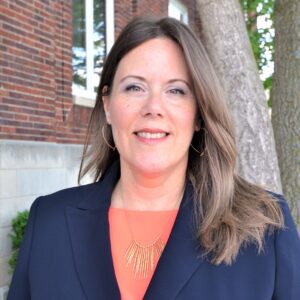
Andrea Dickerson is a Licensed Therapist and Certified Substance Use Counselor who has worked in behavioral health since 1997. Currently, Andrea is the Director of Behavioral Health, overseeing the Ember residential treatment programs and YSS outpatient counseling clinics throughout Central and North Central Iowa. She became a Motivational Interviewing (MI) trainer in 2006 and provides MI trainings throughout Iowa.
Andrea specializes in working with adolescents and their families and enjoys seeing the family relationships grow through therapy. Andrea is also a CARF International Surveyor, going around North America ensuring behavioral health organizations are meeting required standards.
In her free time, Andrea enjoys cheering on the Iowa Hawkeyes and Chicago Cubs, as well as being an active member of Soroptimist International of the Americas (SIA), a global organization that provides women and girls with access to the education and training they need to achieve economic empowerment. She has been a member of the SI of Des Moines club since 2012 and has been actively involved at the regional level, currently serving as Co-Governor of the Peaks to Plains Region.
Through her involvement in SIA, Andrea has been actively involved in the Dream Programs, coordinating annual Dream It, Be It: Career Support for Girls projects, which give girls the tools they need to achieve their education and career goals, empowering them to break cycles of poverty, violence, and abuse.