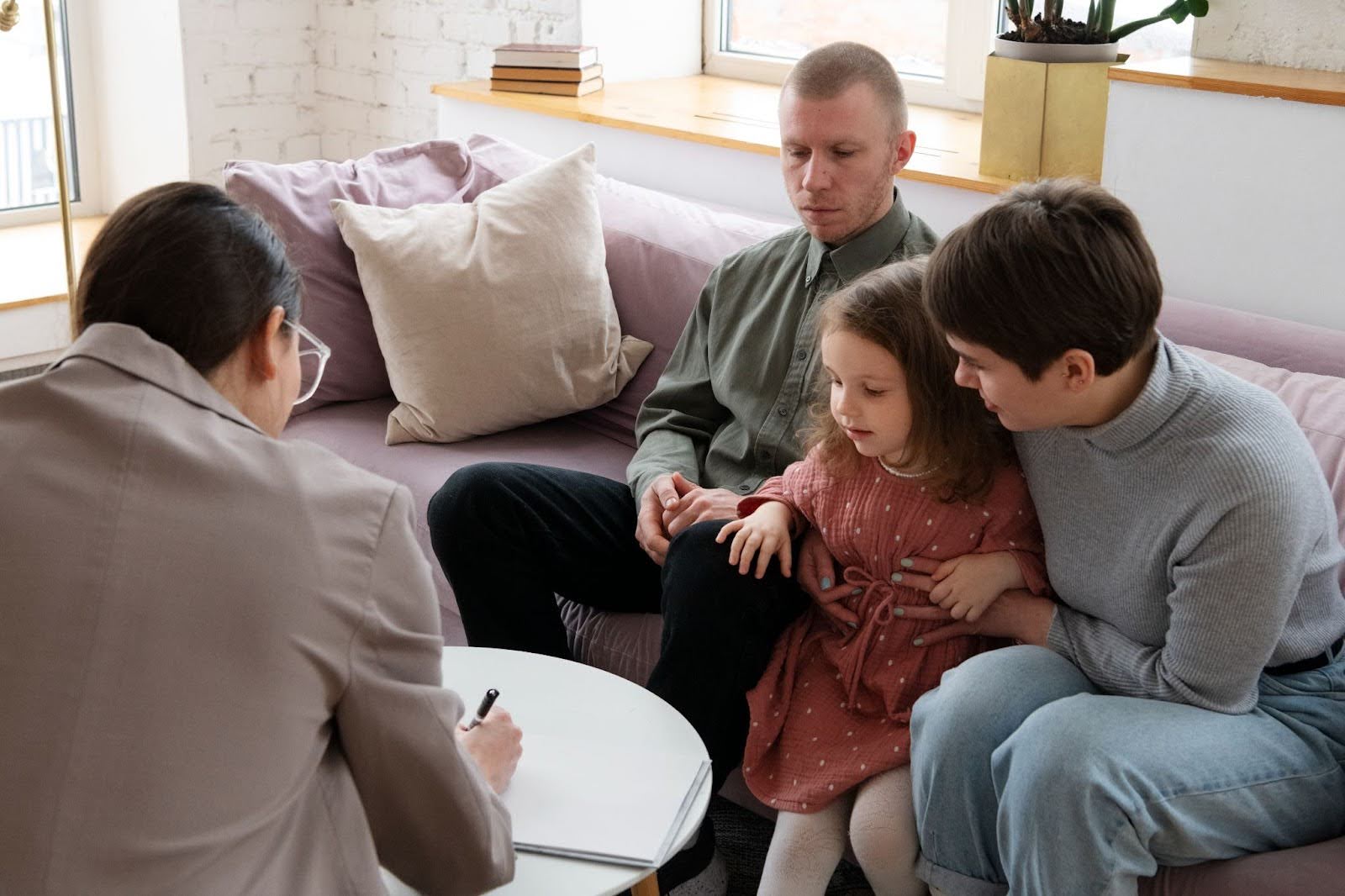
When your young person struggles with substance use, your role doesn’t end when treatment begins—it transforms.
According to the National Center on Addiction and Substance Abuse, 1 in 6 people struggle with substance use, and 90% start as teens. As a parent, you’re not a bystander—you’re an essential partner in your child’s healing journey.
At Ember Recovery, we’ve supported over 5,000 clients through residential addiction treatment, and one truth remains constant: family involvement is one of the strongest predictors of long-term recovery success.
Whether your teen is in treatment or transitioning back home, here’s how parents can play an active, empowering role in supporting lasting recovery.
Participate Fully in Family Therapy Sessions
Family therapy isn’t just about your teen—it’s about rebuilding trust and strengthening communication across the entire family system.
Our family therapy programs encourage parents to engage directly in the recovery process.
Action Steps:
- Attend every scheduled family therapy session with licensed clinicians
- Complete any assignments your therapist provides for home practice
- Practice active, non-judgmental listening
- Share openly and honestly while maintaining a supportive stance
When parents participate fully, teens feel supported, understood, and less isolated in their journey.
Educate Yourself About Addiction and Co-occurring Disorders
Understanding addiction as a treatable condition—not a moral failure—reshapes how families provide support. Many teens experience co-occurring mental health challenges, requiring dual diagnosis treatment.
Learn about:
- Adolescent brain development and how it impacts decision-making
- Signs of mental health conditions like anxiety, depression, or trauma
- The evidence-based treatment approaches your child is receiving
- How trauma and stress can contribute to substance use
Education fosters empathy. The National Institute on Drug Abuse (NIDA) offers excellent resources on how addiction affects the developing adolescent brain—helping parents replace fear with understanding and compassion.
Create a Recovery-Supportive Home Environment
A stable, safe home environment is crucial, especially when your teen transitions from residential treatment.
Simple but Powerful Strategies:
- Remove alcohol, prescription drugs, or other potential triggers from your home
- Set clear boundaries and consistent expectations
- Encourage substance-free activities that build confidence and structure
- Identify household triggers and make adjustments as needed
- Involve siblings in age-appropriate recovery support conversations
At Ember Recovery, our aftercare planning helps families prepare practical strategies before teens return home.
Practice Open, Non-Judgmental Communication
Communication can either foster healing or unintentionally cause setbacks. Teens need to feel safe discussing their thoughts and feelings without fear of judgment.
Effective Communication Tips:
- Use “I” statements to express concern (“I’m worried about you” rather than “You always disappoint me”)
- Ask open-ended questions that invite honest dialogue
- Acknowledge and validate your teen’s emotions
- Celebrate small milestones in recovery
- Listen more than you lecture
Remember: your teen needs a supportive parent, not another therapist. Trust the clinical team while offering unconditional love and stability.
Build Your Own Support Network
Supporting your teen while managing your own emotions requires self-care and community.
Find support through:
- Parent support groups like Al-Anon for families affected by substance use
- Individual therapy to manage your emotions and stress
- Family resource programs available in Iowa for addiction recovery support
- Connecting with other parents who understand this unique journey
At Ember Recovery, part of YSS—Iowa’s oldest and largest youth-serving nonprofit—we prioritize family support because parents need healing, too.
Plan for Long-Term Recovery, Not Quick Fixes
Recovery is not a straight line—it’s a lifelong process that includes both progress and setbacks.
Guidelines for Setting Healthy Expectations:
- Celebrate milestones while preparing for challenges
- Recognize that recovery takes time and consistency
- Continue family therapy after residential treatment
- Stay connected with alumni programs and aftercare resources
In 2022 alone, we provided 6,536 overnight stays—each representing a step toward lasting transformation. Real recovery takes time, support, and a family united in hope.
Your Partner in Recovery
Supporting your teen through addiction recovery can be difficult—but you don’t have to face it alone.
At Ember Recovery, we provide evidence-based, individualized treatment for adolescents (ages 12–17) and young adults (ages 18–24) across Iowa. Our professional clinicians offer 24/7 supervision in a safe, home-like environment, helping families and young people rebuild together.
Healing truly starts with hope—and we’re here to walk beside you every step of the way.
Contact Ember Recovery today to learn more about our programs and how we partner with families to create hope, healing, and lifelong recovery.
Sources:
[1] https://www.samhsa.gov/data/report/2022-nsduh-annual-national-report
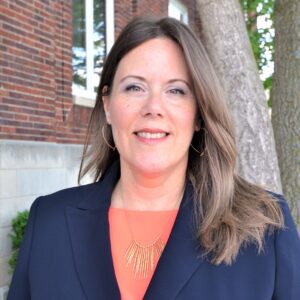
Andrea Dickerson is a Licensed Therapist and Certified Substance Use Counselor who has worked in behavioral health since 1997. Currently, Andrea is the Director of Behavioral Health, overseeing the Ember residential treatment programs and YSS outpatient counseling clinics throughout Central and North Central Iowa. She became a Motivational Interviewing (MI) trainer in 2006 and provides MI trainings throughout Iowa.
Andrea specializes in working with adolescents and their families and enjoys seeing the family relationships grow through therapy. Andrea is also a CARF International Surveyor, going around North America ensuring behavioral health organizations are meeting required standards.
In her free time, Andrea enjoys cheering on the Iowa Hawkeyes and Chicago Cubs, as well as being an active member of Soroptimist International of the Americas (SIA), a global organization that provides women and girls with access to the education and training they need to achieve economic empowerment. She has been a member of the SI of Des Moines club since 2012 and has been actively involved at the regional level, currently serving as Co-Governor of the Peaks to Plains Region.
Through her involvement in SIA, Andrea has been actively involved in the Dream Programs, coordinating annual Dream It, Be It: Career Support for Girls projects, which give girls the tools they need to achieve their education and career goals, empowering them to break cycles of poverty, violence, and abuse.