
For many teens, recovery from substance use requires more than short-term treatment—it demands ongoing care that fits into the realities of daily life. While residential programs provide immersive support, some teens and young adults need a step-down level of care that allows them to return to school, family, and community while still receiving structured treatment.
That’s where Intensive Outpatient Programs (IOPs) come in. These programs offer a balanced approach: enough structure to maintain focus on recovery, but with the flexibility to keep up with everyday responsibilities.
What Is an Intensive Outpatient Program?
An IOP is a structured treatment option that allows clients to live at home while attending scheduled therapy sessions multiple times per week. The Substance Abuse and Mental Health Services Administration (SAMHSA) describes IOPs as providing a level of care between standard outpatient services and inpatient treatment, making them ideal for teens and young adults transitioning from residential programs or needing more support than weekly therapy alone¹.
Typical components of a teen or young adult IOP include:
- Individual counseling sessions
- Group therapy for peer support
- Family therapy and education
- Relapse prevention planning
- Academic or life skills guidance
Why IOPs Are Valuable for Teens and Young Adults
1. Flexibility for Real-Life Responsibilities
Unlike residential care, IOPs let participants return home each day. This allows them to:
- Continue attending school or extracurricular activities
- Maintain supportive family relationships
- Practice recovery skills in real-world situations
The ability to balance treatment with daily life helps integrate recovery into normal routines rather than feeling separated from them.
2. Structured Support Without Full Isolation
While flexibility is a major advantage, IOPs still offer significant structure. Clients typically attend sessions three to five days a week for several hours each day. This regular schedule reinforces accountability and keeps recovery goals front and center.
3. Peer Connection and Shared Experiences
Group therapy in an IOP gives clients the chance to connect with peers who understand their struggles. This can reduce feelings of isolation and promote a sense of belonging—both linked to improved recovery outcomes².
Through shared discussions, role-playing, and skill-building activities, participants learn from one another while practicing healthy communication.
4. Family Involvement in the Recovery Process
Family therapy is often part of an IOP’s structure, helping to address relationship issues, improve communication, and establish healthy boundaries.
When families understand the recovery process and learn strategies for support, the home environment becomes more stable—an essential factor in preventing relapse.
How IOPs Fit Into the Recovery Continuum
IOPs are a vital step in what’s known as the Continuum of Care—a range of services designed to meet people where they are in their recovery journey. At Ember Recovery in Central Iowa, our IOP serves multiple purposes:
- As a step-down from residential care: After completing an inpatient program, an IOP allows clients to ease back into their home environment while still receiving significant support.
- As a standalone program: For those who don’t require 24/7 supervision but need more than standard outpatient therapy, IOPs provide a structured middle ground.
- As ongoing care for relapse prevention: Clients who have completed higher levels of treatment can use IOPs to maintain progress and strengthen coping skills.
We currently offer two distinct IOP tracks:
- Teen IOP for ages 12–18
- Young Adult IOP for ages 18+
Key Skills Gained in IOPs
The goal of an IOP isn’t just to maintain sobriety—it’s to equip clients with tools that help them thrive long-term. Skills often developed include:
- Relapse prevention: Identifying triggers, managing cravings, and creating action plans.
- Emotional regulation: Using healthy strategies to cope with stress, anxiety, or anger.
- Decision-making skills: Learning to weigh consequences and make positive choices.
- Time management: Balancing school, recovery activities, and personal responsibilities.
These skills are essential for both sustained recovery and building a stable, fulfilling life.
The Evidence Behind IOP Effectiveness
Research shows that IOPs can be as effective as inpatient treatment for many individuals with substance use disorders, including teens and young adults, when the program is well-structured and tailored to their needs³.
The combination of therapy, peer support, and family involvement addresses both the behavioral and emotional aspects of recovery. Practicing skills in real-life settings while still in treatment reinforces learning and builds confidence.
Choosing the Right IOP
Not all IOPs are the same. When evaluating options, consider:
- Whether the program offers adolescent- and young adult-specific groups
- The qualifications and experience of the clinical team
- Inclusion of family therapy and educational support
- Flexible scheduling to accommodate school and activities
- A strong focus on relapse prevention and life skills
A high-quality IOP should feel like a partnership, working alongside the client and their family to create a plan that fits their unique needs.
Balancing Recovery and Everyday Life
One of the greatest strengths of an IOP is showing that recovery is not separate from daily life—it’s part of it. By blending therapy with school, friendships, and family time, clients learn that sobriety and personal growth can coexist with normal activities.
This approach fosters independence and confidence, making it more likely that healthy habits will last well beyond the program itself.
Empowering Teens and Young Adults for a Brighter Future
Recovery is a journey, and for many, an Intensive Outpatient Program can be a pivotal chapter in that story. By offering structure, flexibility, peer connection, and family involvement, IOPs help participants apply the lessons of treatment to real life—right away.
With the right support, young people can move forward not just free from substance use, but with the tools and resilience to face whatever comes next.
Reach out to Ember Recovery today to discover how our programs help teens and young adults thrive in recovery while balancing their everyday responsibilities. Visit Ember Recovery’s contact page to get started.
Sources:
[1] https://nida.nih.gov/publications/principles-adolescent-substance-use-disorder-treatment-research-based-guide
[2] https://pubmed.ncbi.nlm.nih.gov/14512112/
[3] https://www.ncbi.nlm.nih.gov/pmc/articles/PMC4195633/
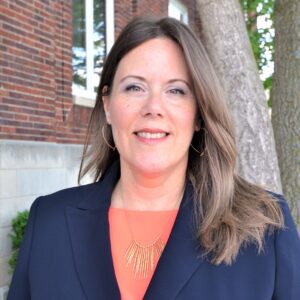
Andrea Dickerson is a Licensed Therapist and Certified Substance Use Counselor who has worked in behavioral health since 1997. Currently, Andrea is the Director of Behavioral Health, overseeing the Ember residential treatment programs and YSS outpatient counseling clinics throughout Central and North Central Iowa. She became a Motivational Interviewing (MI) trainer in 2006 and provides MI trainings throughout Iowa.
Andrea specializes in working with adolescents and their families and enjoys seeing the family relationships grow through therapy. Andrea is also a CARF International Surveyor, going around North America ensuring behavioral health organizations are meeting required standards.
In her free time, Andrea enjoys cheering on the Iowa Hawkeyes and Chicago Cubs, as well as being an active member of Soroptimist International of the Americas (SIA), a global organization that provides women and girls with access to the education and training they need to achieve economic empowerment. She has been a member of the SI of Des Moines club since 2012 and has been actively involved at the regional level, currently serving as Co-Governor of the Peaks to Plains Region.
Through her involvement in SIA, Andrea has been actively involved in the Dream Programs, coordinating annual Dream It, Be It: Career Support for Girls projects, which give girls the tools they need to achieve their education and career goals, empowering them to break cycles of poverty, violence, and abuse.