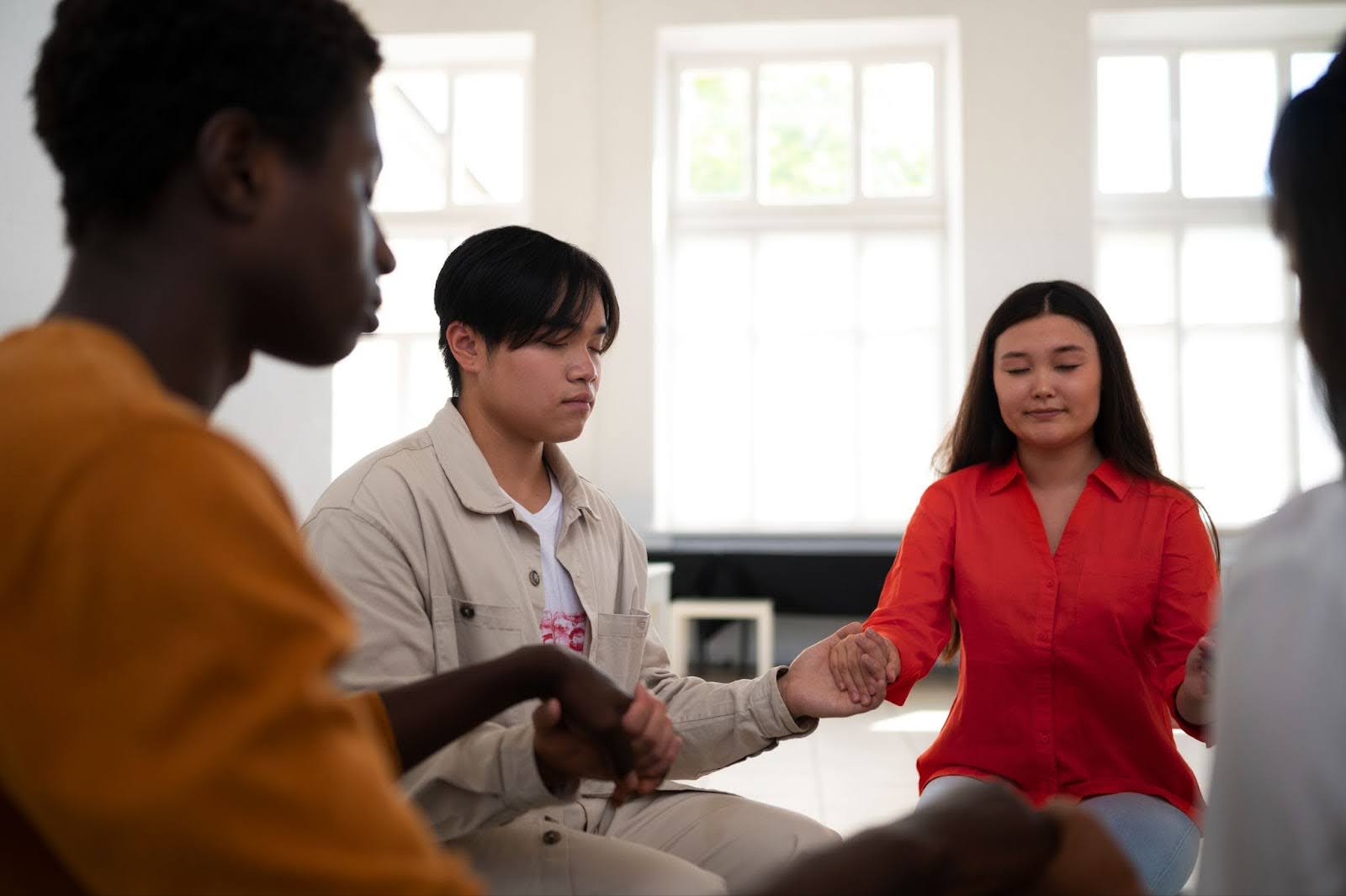
When your teen or young adult is struggling with substance use, finding the right treatment approach can feel overwhelming. You want care that does more than address the crisis—you want a plan that builds a foundation for lasting recovery.
That’s where an integrated treatment model—combining intensive residential care with structured outpatient support—makes a real difference.
At Ember Recovery, part of YSS (Iowa’s oldest and largest youth-serving nonprofit), we’ve guided over 5,000 young people toward healthier futures. Our experience shows that long-term recovery thrives on a continuum of care—a system that evolves in tandem with each young person’s progress.
Understanding the Continuum of Care
Recovery isn’t a single event—it’s a multi-phase journey. An integrated approach recognizes that the intensity of care needed in early recovery is not the same as needed for long-term success.
Residential (Inpatient) Care: Laying the Foundation
At our Cambridge, Iowa, facility, adolescents (ages 12–17) and young adults (ages 18–24) receive 24/7 supervision in a safe, home-like environment. This immersive phase removes external triggers while addressing physical, mental, and emotional needs.
Outpatient Care: Bridging Toward Independence
As young people gain strength, they transition to outpatient care, where they continue receiving structured support while practicing recovery skills in real-world settings. This gradual approach ensures consistency and confidence as they re-enter daily life.
How Ember Recovery Integrates Both Approaches
Phase One: Intensive Residential Treatment
Rehabilitation begins with a thorough assessment and personalized planning. Licensed clinicians create evidence-based care plans to address substance use and any co-occurring mental health challenges through dual diagnosis treatment.
During residential care, participants benefit from:
- Cognitive Behavioral Therapy (CBT) and trauma-informed approaches
- Family therapy involving parents and caregivers as active partners
- Educational continuity through on-site academic programming
- Peer group sessions that foster connection and understanding
- Life skills training and emotional regulation exercises
In 2022 alone, Ember Recovery provided 6,536 overnight stays—proof of our consistent, compassionate service.
Phase Two: Transition Planning
Transition planning is built into our program—it’s not an afterthought. Before residential care concludes, our team ensures each young person has a structured plan for lasting recovery.
This stage includes:
- Coordinating with outpatient treatment providers in your community
- Ensuring seamless communication between inpatient and outpatient teams
- Continuing family therapy and support
- Developing relapse prevention plans tailored to your teen’s needs
- Connecting youth to peer recovery communities and mentoring programs
This planning helps ensure recovery continuity and smooth adaptation to new environments.
Phase Three: Outpatient Support and Aftercare
After stepping down from residential care, young people join structured outpatient services that encourage accountability, independence, and continued therapeutic involvement.
Our family support systems remain active throughout aftercare—helping families strengthen relationships, rebuild trust, and maintain healthy communication patterns.
Outpatient care focuses on the real-world application of skills developed in earlier phases—empowering lasting recovery and personal growth.
Why Integration Matters for Lasting Recovery
Addiction affects 1 in 6 people, and 90% of adults with substance use disorders began using as teens. The transition from intensive care back into everyday life is one of the most vulnerable phases of recovery.
An integrated approach ensures that progress made in residential care is reinforced through continued outpatient support.
The Core Benefits:
- Continuity: Seamless coordination prevents treatment gaps that increase relapse risk.
- Reinforcement: Outpatient care consolidates lessons learned in residential programs.
- Flexibility: Care intensity adjusts dynamically to each person’s evolving needs.
- Accountability: Regular check-ins and clinical oversight provide steady guidance.
A Foundation Built on Experience and Compassion
Since 1976, YSS has provided Iowa’s youth with evidence-based, compassionate care for addiction recovery and mental health.
At Ember Recovery, we extend that mission with gender-specific programs, a dedicated young adult track (ages 18–24), and an LGBTQ+ inclusive environment where every person is valued and supported.
Our goal is to meet each young person where they are, guide them with understanding, and walk alongside them as they build a healthier, more resilient future.
Take the First Step Toward Integrated Recovery
Your teen deserves comprehensive care that supports every phase of recovery—from the first day of detox to the confidence of long-term sobriety.
At Ember Recovery in Cambridge, Iowa, our licensed clinicians provide an evidence-based, integrated approach that’s compassionate, collaborative, and built to last.
Healing starts with hope, and hope grows with support that continues beyond treatment.
Contact Ember Recovery today to learn how our residential and outpatient programs can help your family restore balance and build a brighter tomorrow.
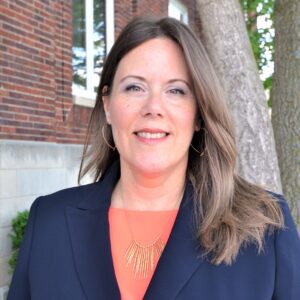
Andrea Dickerson is a Licensed Therapist and Certified Substance Use Counselor who has worked in behavioral health since 1997. Currently, Andrea is the Director of Behavioral Health, overseeing the Ember residential treatment programs and YSS outpatient counseling clinics throughout Central and North Central Iowa. She became a Motivational Interviewing (MI) trainer in 2006 and provides MI trainings throughout Iowa.
Andrea specializes in working with adolescents and their families and enjoys seeing the family relationships grow through therapy. Andrea is also a CARF International Surveyor, going around North America ensuring behavioral health organizations are meeting required standards.
In her free time, Andrea enjoys cheering on the Iowa Hawkeyes and Chicago Cubs, as well as being an active member of Soroptimist International of the Americas (SIA), a global organization that provides women and girls with access to the education and training they need to achieve economic empowerment. She has been a member of the SI of Des Moines club since 2012 and has been actively involved at the regional level, currently serving as Co-Governor of the Peaks to Plains Region.
Through her involvement in SIA, Andrea has been actively involved in the Dream Programs, coordinating annual Dream It, Be It: Career Support for Girls projects, which give girls the tools they need to achieve their education and career goals, empowering them to break cycles of poverty, violence, and abuse.