
When your teen stops at a gas station for snacks, they might come home with more than you bargained for. Tucked between energy drinks and candy bars, colorful packages of kratom gummies, 7-OH shots, and supplement pills promise natural energy and relaxation, but these products carry serious risks that many parents do not know about.
As Iowa’s residential treatment provider serving adolescents ages 12 through 17, Ember Recovery has seen how these deceptively marketed substances can lead to dependency. Here is what every parent needs to know about kratom and 7-OH.
What Are Kratom and 7-OH?
Kratom is a tropical plant whose leaves contain compounds that affect the brain’s opioid receptors. While marketed as a natural supplement, kratom can produce effects similar to both stimulants and opioids, depending on the dose, according to the National Institute on Drug Abuse.
7-hydroxymitragynine (7-OH) is a compound derived from kratom but concentrated to much higher potency. The Food and Drug Administration (FDA) has raised significant concerns about 7-OH, noting that it produces opioid-like effects and carries substantial addiction risks. Federal and health agencies have moved to increase regulatory controls, including health recommendations to place certain enhanced 7-OH products under stricter federal schedules to combat public safety threats.
How They Are Marketed to Teens
The packaging is deliberately appealing: bright colors, fruity flavors, and innocent-looking gummy bears or shot bottles. These products are sold legally in many Iowa gas stations, convenience stores, and smoke shops, giving them a false sense of safety.
Common forms include:
- Gummy candies in resealable pouches
- Small liquid shots resembling energy drinks
- Pills in supplement-style bottles
- Powder packets for mixing into beverages
The easy accessibility makes teens think these substances are harmless. They are not.
Why “Legal” and “Natural” Do Not Mean Safe
Just because something is sold over the counter does not make it safe. The FDA does not approve kratom or 7-OH for any medical use and has documented serious health risks.
Physical risks include:
- Nausea, vomiting, and constipation
- Liver damage
- Seizures
- Respiratory depression
- Physical dependence
The concentrated nature of 7-OH products makes them particularly dangerous. Because they are unregulated, potency varies wildly between products, meaning users cannot know how much they are actually consuming.
Recognizing the Signs of Use
If your teen is using kratom or 7-OH regularly, you might notice:
- Small, brightly colored packages or bottles in their room
- Increased secrecy about purchases or whereabouts
- Weight loss or changes in appetite
- Mood swings and irritability
- Constricted pupils or drowsiness
- Social withdrawal
- New financial difficulties
Understanding Withdrawal and Dependence
Regular kratom and 7-OH use leads to physical dependence. When your teen tries to stop, they may experience withdrawal symptoms, including:
- Severe anxiety and agitation
- Muscle aches and restlessness
- Insomnia
- Nausea and vomiting
- Mood changes and depression
- Intense cravings
These withdrawal symptoms mirror opioid withdrawal, making it extremely difficult to stop without professional support.
When to Seek Professional Help
If your teen is using kratom or 7-OH products regularly, or if they have tried to quit and experienced withdrawal symptoms, it is time to consider professional treatment.
Ember Recovery, part of YSS, Iowa’s oldest and largest youth-serving nonprofit, provides specialized adolescent drug treatment Iowa families trust. Since 1976, YSS has served Iowa families through evidence-based care, helping over 5,000 clients through residential addiction treatment. Our dedicated adolescent program for ages 12 through 17 provides:
- Licensed clinicians with expertise in emerging substance trends
- Continuous supervision in a safe, homelike environment
- Dual diagnosis treatment for co-occurring mental health concerns
- Evidence-based therapies, including trauma-informed care
- Family involvement through Multidimensional Family Therapy
- Comprehensive aftercare planning for lasting recovery
- Inclusive treatment environments
Our Cambridge facility provides individualized care that addresses both substance use and the underlying factors contributing to it. We believe healing starts with hope, and our compassionate team creates a supportive atmosphere where adolescents can build healthy futures.
Healing Starts With Hope
Your teen’s struggle with kratom or 7-OH does not define their future. With proper support and evidence-based treatment, recovery is absolutely possible. Ember Recovery provides the structured, compassionate care that empowers adolescents to build healthier, more fulfilling lives.
If you are concerned about your teen’s use of kratom, 7-OH, or other substances, we are here to help. Contact Ember Recovery today to learn more about our adolescent program and how we can support your family’s journey toward healing. Our admissions team is available to answer your questions and help you take the first step.
Source:
[1] https://nida.nih.gov/research-topics/kratom [2] https://www.fda.gov/news-events/public-health-focus/fda-and-kratom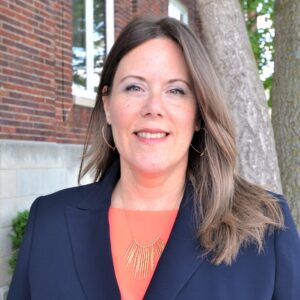
Andrea Dickerson is a Licensed Therapist and Certified Substance Use Counselor who has worked in behavioral health since 1997. Currently, Andrea is the Director of Behavioral Health, overseeing the Ember residential treatment programs and YSS outpatient counseling clinics throughout Central and North Central Iowa. She became a Motivational Interviewing (MI) trainer in 2006 and provides MI trainings throughout Iowa.
Andrea specializes in working with adolescents and their families and enjoys seeing the family relationships grow through therapy. Andrea is also a CARF International Surveyor, going around North America ensuring behavioral health organizations are meeting required standards.
In her free time, Andrea enjoys cheering on the Iowa Hawkeyes and Chicago Cubs, as well as being an active member of Soroptimist International of the Americas (SIA), a global organization that provides women and girls with access to the education and training they need to achieve economic empowerment. She has been a member of the SI of Des Moines club since 2012 and has been actively involved at the regional level, currently serving as Co-Governor of the Peaks to Plains Region.
Through her involvement in SIA, Andrea has been actively involved in the Dream Programs, coordinating annual Dream It, Be It: Career Support for Girls projects, which give girls the tools they need to achieve their education and career goals, empowering them to break cycles of poverty, violence, and abuse.