
If you are a parent in Iowa, you might have noticed something shifting in recent years. The stereotype that boys drink more than girls is outdated. According to the 2021 Youth Risk Behavior Survey (YRBS), 21% of teen girls report current alcohol use compared to just 16% of boys. This gender reversal represents a significant change in adolescent drinking patterns, and it is happening right here in Iowa.
Understanding why this shift is occurring can help you recognize warning signs early and know when it is time to seek professional support, like teen girl alcohol rehab Cambridge services.
Why Are More Teen Girls Turning to Alcohol?
Several interconnected factors contribute to rising alcohol use among girls:
- Rising Mental Health Challenges: Teen girls experience anxiety and depression at significantly higher rates than boys. The pressures of academic achievement, body image concerns, and social expectations create a perfect storm of stress. Many young women turn to alcohol as a coping mechanism for these overwhelming feelings.
- Social Media Pressure: Girls spend more time on social media platforms where comparison culture thrives. The constant exposure to curated images and perceived perfection increases feelings of inadequacy, loneliness, and stress, which are emotions some attempt to numb with drinking.
- Relationship Dynamics: Dating relationships and peer pressure affect girls differently than boys. Some girls drink to fit in socially or to manage relationship stress. Others face pressure from partners or peers to participate in drinking situations where they feel uncomfortable saying no.
- Earlier Physical Maturation: Girls typically mature physically earlier than boys, which can lead to earlier social experiences with older peers where alcohol is present. This developmental difference creates earlier exposure opportunities.
Warning Signs Iowa Parents Should Watch For
While every young person is different, these signs may indicate a need for support:
- Dramatic mood swings or increased irritability
- Withdrawing from family activities and longtime friends
- Declining academic performance or skipping school
- Changes in appearance or personal hygiene
- Finding alcohol in their room or smelling alcohol on their breath
- Secretive behavior about whereabouts or phone use
- New friend groups, especially older peers
- Unexplained money issues or missing valuables
If you are concerned, trust your instincts. Our My Child Is Drinking: Should I Be Worried? guide can help you assess the situation.
Starting the Conversation Without Pushing Them Away
Many parents worry that bringing up alcohol will damage their relationship with their daughter. Here is how to approach the conversation supportively:
- Choose the right moment: Do not initiate difficult conversations when emotions are high. Find calm, private moments during everyday activities like driving or preparing dinner.
- Lead with curiosity, not accusations: Instead of asking, “Are you drinking?” try saying, “I have noticed you seem stressed lately. How are you really doing?”
- Share facts without lecturing: Mention the YRBS data as a conversation starter: “I read that more girls are drinking now than boys. Have you noticed that at school?”
- Listen more than you talk: Your daughter needs to feel heard, not judged. Create space for her to share without immediately jumping to solutions or consequences.
- Focus on feelings, not just behaviors: Ask about underlying emotions, such as what helps her feel better when she is stressed or anxious.
When to Seek Professional Help
Occasional experimentation does not always require residential treatment, but certain patterns warrant professional intervention:
- Drinking alone or in secret
- Using alcohol to cope with emotions
- Continued use despite negative consequences
- Failed attempts to cut back
- Co-occurring mental health symptoms like depression or anxiety
- Changes in personality or loss of interest in previously enjoyed activities
For adolescent girls ages 12 through 17, Ember Recovery offers specialized teen girl alcohol rehab Cambridge programs with licensed clinicians providing continuous supervision in a safe, homelike environment. Since 1976, Ember Recovery has served over 5,000 young people through evidence-based, gender-specific programming.
Healing Starts With Hope
Your daughter’s current struggles do not define her future. With appropriate support and evidence-based treatment, young women build healthy coping skills and reclaim their potential.
Ember Recovery’s Cambridge facility provides inclusive care in a supportive, homelike environment designed specifically for adolescent girls’ unique needs. With licensed clinicians providing continuous supervision and over 6,536 overnight stays in recent years, we have the experience and capacity to help your daughter heal.
If you are searching for teen girl alcohol rehab Cambridge options, we are here to answer your questions and help your family find hope again.
Contact Ember Recovery today to learn more about our residential treatment programs and how we can support your family’s journey toward recovery.
Source:
[1] https://www.cdc.gov/yrbs/index.html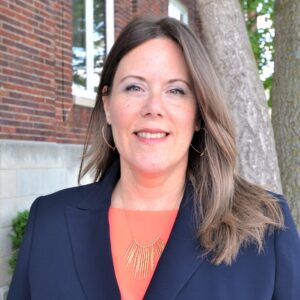
Andrea Dickerson is a Licensed Therapist and Certified Substance Use Counselor who has worked in behavioral health since 1997. Currently, Andrea is the Director of Behavioral Health, overseeing the Ember residential treatment programs and YSS outpatient counseling clinics throughout Central and North Central Iowa. She became a Motivational Interviewing (MI) trainer in 2006 and provides MI trainings throughout Iowa.
Andrea specializes in working with adolescents and their families and enjoys seeing the family relationships grow through therapy. Andrea is also a CARF International Surveyor, going around North America ensuring behavioral health organizations are meeting required standards.
In her free time, Andrea enjoys cheering on the Iowa Hawkeyes and Chicago Cubs, as well as being an active member of Soroptimist International of the Americas (SIA), a global organization that provides women and girls with access to the education and training they need to achieve economic empowerment. She has been a member of the SI of Des Moines club since 2012 and has been actively involved at the regional level, currently serving as Co-Governor of the Peaks to Plains Region.
Through her involvement in SIA, Andrea has been actively involved in the Dream Programs, coordinating annual Dream It, Be It: Career Support for Girls projects, which give girls the tools they need to achieve their education and career goals, empowering them to break cycles of poverty, violence, and abuse.