
Completing residential treatment is a significant milestone in your teen’s recovery journey. But what comes next? The transition from a structured residential environment back to daily life can feel overwhelming for both teens and their families. This critical period requires continued support, accountability, and care, which is exactly what Intensive Outpatient Programs (IOP) provide.
Understanding how IOP serves as a vital bridge between residential care and independent recovery can help you make informed decisions about your loved one’s continued healing.
What Is IOP and Why Does It Matter?
An Intensive Outpatient Program (IOP) is a step-down level of care that offers structured treatment while allowing teens to live at home and return to their regular routines. Unlike residential treatment’s 24/7 supervision, IOP typically involves attending therapy sessions several times per week (usually 9-12 hours total) while gradually reintegrating into school, work, or other daily activities.
For the 1 in 6 people who struggle with substance use (90% of whom started as teens), this transitional support significantly reduces relapse risk during vulnerable early recovery. According to the Substance Abuse and Mental Health Services Administration, continuity of care through step-down programs like IOP is essential for sustained recovery success.
The Benefits of IOP for Adolescents
Maintaining Therapeutic Momentum
After adolescent drug rehab, teens have developed coping skills, self-awareness, and recovery tools. IOP ensures this progress doesn’t stall. Through continued individual therapy, group counseling, and family sessions, participants reinforce what they’ve learned while addressing new challenges that arise in real-world situations.
At Ember Recovery, our evidence-based approach builds upon the foundation established in residential treatment, providing continuity of care with licensed clinicians that supports lasting recovery.
Balancing Structure with Independence
IOP offers the perfect middle ground between full residential care and complete independence. Teens gain increasing autonomy while maintaining accountability structures that keep them focused. Regular therapy sessions, check-ins, and ongoing support provide safety nets without the full restrictions of residential care.
This gradual transition helps teens practice their recovery skills in real-time situations (navigating peer pressure, managing stress, and making healthy choices) with professional support readily available when needed.
Flexibility for School and Daily Life
One of IOP’s greatest strengths is its flexibility. Sessions are typically scheduled around school hours, allowing students to maintain academic progress while receiving treatment. This balance is crucial for adolescents who need to keep up with their education without sacrificing their recovery.
Teens learn to manage multiple responsibilities simultaneously, developing time management skills and healthy routines that serve them long after treatment ends. The ability to attend school, participate in extracurricular activities, and maintain friendships while in treatment creates a more sustainable recovery model.
Real-World Application and Skill Building
IOP participants face actual triggers and challenges while in treatment, allowing them to apply coping strategies immediately. Whether balancing schoolwork, managing relationships with friends, or rebuilding family connections, they have a therapist’s guidance for navigating these situations successfully.
This experiential learning strengthens recovery far more effectively than hypothetical scenarios. Learning to recognize common relapse triggers in real-world settings is crucial for long-term success.
Family Involvement and Healing
Recovery affects the entire family system, and you play a vital role in your loved one’s journey. IOP emphasizes family therapy sessions that continue the healing process begun in residential treatment. Through programs like Multidimensional Family Therapy and the Strengthening Families Program, families learn communication skills, establish healthy boundaries, and work together toward sustained recovery.
Parents and caregivers remain actively involved, providing crucial support while teens demonstrate their growing responsibility and commitment to healing.
How IOP Reduces Relapse Risk
Research shows that continuing care after adolescent drug rehab dramatically improves long-term outcomes. Studies from the National Institute on Drug Abuse show that IOP addresses several key relapse risk factors:
- Accountability: Regular sessions and monitoring help teens stay committed to recovery goals.
- Community connection: Group therapy builds peer support networks essential for sustained recovery.
- Early intervention: When struggles arise, licensed clinicians can address them immediately before they escalate.
- Gradual reintegration: Rather than abruptly returning to normal life, teens ease back into routines with professional guidance.
- Continuity of care: The same evidence-based therapies used in residential treatment continue in IOP, ensuring consistent therapeutic approaches.
Supporting Your Teen’s Continued Recovery
At Ember Recovery, our comprehensive approach to adolescent drug rehab includes robust aftercare planning to support teens through every recovery stage. With over 5,000 clients served since our founding as part of YSS (Iowa’s oldest youth-serving nonprofit), we understand that the transition period after residential treatment is just as critical as the initial intensive phase.
Our licensed clinicians provide individualized IOP programs in a safe, supportive environment that emphasizes continuity of care. We work closely with families to ensure everyone understands their role in supporting long-term recovery.
Healing starts with hope, and the transition after residential treatment is an essential part of building a healthy future. If your teen is completing residential treatment or needs transitional support, IOP might be the next right step.
Contact Ember Recovery today to learn more about our individualized IOP programs and how we can support your family’s healing journey.
Source:
[1] https://www.samhsa.gov/data/report/2021-nsduh-annual-national-report
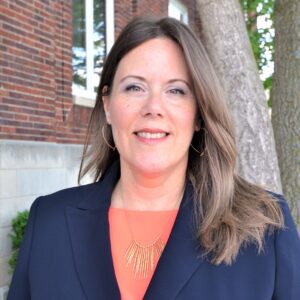
Andrea Dickerson is a Licensed Therapist and Certified Substance Use Counselor who has worked in behavioral health since 1997. Currently, Andrea is the Director of Behavioral Health, overseeing the Ember residential treatment programs and YSS outpatient counseling clinics throughout Central and North Central Iowa. She became a Motivational Interviewing (MI) trainer in 2006 and provides MI trainings throughout Iowa.
Andrea specializes in working with adolescents and their families and enjoys seeing the family relationships grow through therapy. Andrea is also a CARF International Surveyor, going around North America ensuring behavioral health organizations are meeting required standards.
In her free time, Andrea enjoys cheering on the Iowa Hawkeyes and Chicago Cubs, as well as being an active member of Soroptimist International of the Americas (SIA), a global organization that provides women and girls with access to the education and training they need to achieve economic empowerment. She has been a member of the SI of Des Moines club since 2012 and has been actively involved at the regional level, currently serving as Co-Governor of the Peaks to Plains Region.
Through her involvement in SIA, Andrea has been actively involved in the Dream Programs, coordinating annual Dream It, Be It: Career Support for Girls projects, which give girls the tools they need to achieve their education and career goals, empowering them to break cycles of poverty, violence, and abuse.