
When your teen or young adult experiences a mental health or substance use crisis, knowing where to turn can feel confusing and overwhelming. While emergency rooms serve a vital role in addressing immediate medical needs, families often wonder what comes next after the crisis passes.
Understanding the difference between emergency response and residential treatment options can help families make informed, life-changing decisions during these critical moments.
Understanding Emergency Room Limitations
Emergency rooms are essential for life-threatening medical emergencies such as overdoses, alcohol poisoning, or severe withdrawal symptoms that could endanger a person’s immediate health. Trained ER staff stabilize individuals medically, monitor vital signs, and ensure physical safety before discharge.
However, ERs are not designed for long-term mental health or addiction recovery. Once the immediate danger has passed, teens are usually released with minimal follow-up guidance.
For adolescents and young adults struggling with substance use, this gap between emergency stabilization and structured treatment can make families feel lost, unsure where to go next or how to prevent relapse once their child returns home.
What Crisis Stabilization Offers
Crisis stabilization programs serve as an essential next step after an emergency, providing short-term, intensive support during acute mental health episodes. These programs aim to help teens and young adults regain emotional stability, ensure safety, and connect them with longer-term recovery resources.
Crisis stabilization typically includes:
- 24–72 hours of supervised care
- Clinical assessments for mental health and substance use
- Short-term medication management or therapy
- Referrals to continued residential or outpatient care
For families searching for an adolescent treatment program in Iowa, it’s important to understand that different facilities meet different needs.
While Ember Recovery does not provide emergency or crisis stabilization services, we play a vital role in the next phase of recovery, offering comprehensive, residential addiction treatment for teens ages 12–17 and young adults ages 18–24.
The Continuity of Care Advantage
After medical or crisis stabilization, young people need consistent, structured, therapeutic support to build lasting change. This is where residential treatment programs serve as the bridge between crisis management and long-term rehabilitation.
How Residential Treatment Complements Crisis Care
1. Comprehensive Assessment:
Residential programs conduct full evaluations of a young person’s behavioral, emotional, and substance use history. Unlike the brief screenings typical in ER settings, this process identifies root causes and develops an individualized care plan.
2. 24/7 Supervision and Support
Residents receive continuous clinical supervision in a safe, homelike environment, ensuring accountability, structure, and consistency through every stage of recovery.
3. Dual Diagnosis Expertise
Because nearly 90% of people who struggle with addiction begin using as teens, many also face underlying mental health issues. Residential treatment integrates therapy for co-occurring disorders like anxiety, depression, or trauma.
4. Family Integration
Recovery doesn’t happen in isolation. Programs like Ember’s include family therapy, helping parents and caregivers rebuild trust, improve communication, and strengthen the home environment to support sustained recovery.
Ember Recovery’s Role in Teen Healing
At Ember Recovery, our adolescent treatment program in Iowa provides this vital long-term support.
Our Specialized Programs Include:
- Gender-specific facilities designed for adolescent development
- Individualized treatment plans built on evidence-based therapy models
- Trauma-informed care and dual-diagnosis capabilities
- On-site education to help teens maintain academic progress
- LGBTQIA+ inclusive and affirming environment
- Aftercare and relapse-prevention planning for long-term stability
- Safe detox referrals when medically necessary
At Ember Recovery, every program combines clinical expertise, compassion, and empowerment, helping teens rediscover resilience and purpose after crisis intervention ends.
Making the Right Decision for Your Family
In an emergency, knowing where to go first—and what comes next—can save lives.
Seek emergency room care when:
- Overdose or poisoning has occurred
- Severe withdrawal symptoms require medical observation
- A life-threatening physical condition arises
- There is a risk of self-harm or medical instability
Seek Crisis Stabilization When:
- A mental health episode poses immediate safety concerns, but not medical danger
- The teen is experiencing suicidal thoughts or an emotional breakdown
- Temporary, short-term stabilization and evaluation are needed
Consider residential treatment when:
- Substance use or mental health issues are ongoing and require structured care
- Previous outpatient or crisis interventions haven’t provided lasting results
- Co-occurring conditions complicate recovery
- A safe, supervised space is needed for long-term healing
Hope Begins with the Right Support
If your family is navigating post-crisis recovery or seeking an adolescent treatment program in Iowa, understanding your care options is essential to finding stability.
At Ember Recovery, we know how frightening a crisis can feel. Our licensed clinicians and compassionate staff are here to provide clarity, structure, and support as your teen moves from crisis to healing.
Contact Ember Recovery today to learn more about our individualized, evidence-based residential programs. Together, we can help your teen or young adult build a foundation for lasting recovery because healing starts with hope.
Source:
[1] https://nida.nih.gov/publications/drugs-brains-behavior-science-addiction/treatment-recovery
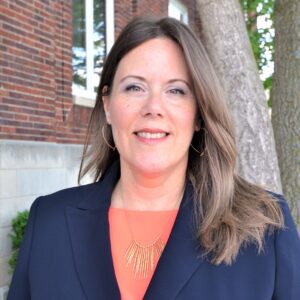
Andrea Dickerson is a Licensed Therapist and Certified Substance Use Counselor who has worked in behavioral health since 1997. Currently, Andrea is the Director of Behavioral Health, overseeing the Ember residential treatment programs and YSS outpatient counseling clinics throughout Central and North Central Iowa. She became a Motivational Interviewing (MI) trainer in 2006 and provides MI trainings throughout Iowa.
Andrea specializes in working with adolescents and their families and enjoys seeing the family relationships grow through therapy. Andrea is also a CARF International Surveyor, going around North America ensuring behavioral health organizations are meeting required standards.
In her free time, Andrea enjoys cheering on the Iowa Hawkeyes and Chicago Cubs, as well as being an active member of Soroptimist International of the Americas (SIA), a global organization that provides women and girls with access to the education and training they need to achieve economic empowerment. She has been a member of the SI of Des Moines club since 2012 and has been actively involved at the regional level, currently serving as Co-Governor of the Peaks to Plains Region.
Through her involvement in SIA, Andrea has been actively involved in the Dream Programs, coordinating annual Dream It, Be It: Career Support for Girls projects, which give girls the tools they need to achieve their education and career goals, empowering them to break cycles of poverty, violence, and abuse.