
When your teenager or young adult is struggling with substance use, deciding which level of care to pursue can feel overwhelming. Many Iowa families wonder whether outpatient services, home-based support, or residential treatment is the right path forward. While every situation is unique, residential treatment often provides the comprehensive support necessary when addiction has progressed beyond what other interventions can effectively address.
Understanding when to consider residential care isn’t about admitting failure as a parent; it’s about recognizing when your young person needs a level of structure, safety, and clinical expertise that’s difficult to provide at home.
When Outpatient Care Isn’t Enough
Outpatient programs offer valuable support for many young people in early recovery. However, certain circumstances indicate a need for more intensive teen addiction treatment that Iowa families can access:
Safety concerns: When substance use creates immediate health risks or dangerous behaviors, 24/7 supervision becomes essential.
Previous treatment attempts: If outpatient therapy hasn’t prevented continued use or relapse, residential care provides increased accountability and evidence-based interventions.
Co-occurring mental health conditions: Dual diagnosis treatment requires integrated clinical support from licensed clinicians who address both addiction and mental health simultaneously.
Environmental triggers: When home, school, or community environments contain persistent negative influences or access to substances, temporary removal can interrupt harmful patterns and create space for healing.
Home-Based Support vs. Residential Treatment: Understanding the Difference
Many families attempt to support recovery at home before considering residential options. Here’s how these approaches compare:
Home-Based Support Works When:
- Substance use is in the early stages with minimal physical dependence
- Your teen has strong motivation and a family support system
- Environmental triggers are manageable or can be removed
- Outpatient therapy and family involvement show progress
- Safety risks are minimal, and supervision is feasible
Residential Treatment Becomes Necessary When:
- Multiple outpatient attempts haven’t prevented relapse
- Co-occurring mental health conditions require integrated 24/7 care
- The home environment contains unavoidable triggers or negative influences
- Safety concerns require constant clinical supervision
- Your teen needs intensive skill-building in a structured setting
This isn’t about one approach being “better”—it’s about matching the level of care to your teen’s current needs.
The Residential Treatment Advantage
Structure and Consistency
Residential teen addiction treatment in Iowa programs provides predictable daily routines that help young people develop healthy habits. Structured schedules include therapy sessions, educational programming, recreational activities, and skill-building exercises within a safe, homelike atmosphere designed specifically for youth.
24/7 Clinical Oversight
Licensed clinicians provide round-the-clock supervision, ensuring immediate response to physical, emotional, or behavioral needs. This continuous care addresses withdrawal symptoms safely, manages medication when necessary, and prevents impulsive decisions during vulnerable moments.
Peer Community
Young people in residential treatment connect with peers facing similar challenges. This shared experience reduces isolation and shame while building supportive relationships that reinforce recovery values. Group therapy and community activities foster belonging and accountability—essential elements for lasting change.
Evidence-Based Interventions
Quality residential programs utilize proven treatment modalities tailored to adolescent development. At Ember Recovery, we’ve served over 5,000 clients since our founding, implementing approaches like Multidimensional Family Therapy and trauma-informed care that address root causes of substance use rather than just symptoms.
Addressing Relapse Risk and Building Safety
For young people with histories of relapse, residential treatment removes access to substances while teaching practical coping strategies. The controlled environment allows clinicians to identify triggers, practice refusal skills, and build confidence before returning to less structured settings.
Many families worry about the separation residential treatment requires. However, family involvement remains central to successful recovery through regular family therapy sessions, parent education, and collaborative aftercare planning that prepares everyone for the transition home.
Supporting Long-Term Recovery
Residential treatment isn’t just about stopping substance use; it’s about building a foundation for lasting wellness. Comprehensive teen addiction treatment in Iowa programs addresses life skills development, educational continuity through on-site programming, mental health stabilization, healthy relationship patterns, and future planning.
With 6,536 overnight stays provided in 2022 alone, Ember Recovery has demonstrated the capacity and expertise to guide young people through this critical transition period. Our LGBTQIA+ inclusive environment ensures every young person receives affirming, personalized care that honors their unique identity.
Finding Hope at Ember Recovery
If your teen or young adult’s substance use has escalated beyond what home-based or outpatient care can address, residential treatment may provide the safety and structure needed for meaningful recovery. Healing starts with hope—and sometimes that hope requires taking a step that feels difficult but necessary.
Ember Recovery’s Cambridge, Iowa, facility offers residential treatment programs for adolescents ages 12-17 and young adult programs for ages 18-24 grounded in evidence-based care, family partnership, and youth empowerment.
Contact Ember Recovery today to learn how our residential teen addiction treatment in Iowa can support your family’s journey toward healing and lasting recovery.
Sources:
[1] https://www.samhsa.gov/substance-use/treatment/options
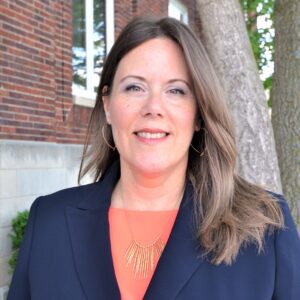
Andrea Dickerson is a Licensed Therapist and Certified Substance Use Counselor who has worked in behavioral health since 1997. Currently, Andrea is the Director of Behavioral Health, overseeing the Ember residential treatment programs and YSS outpatient counseling clinics throughout Central and North Central Iowa. She became a Motivational Interviewing (MI) trainer in 2006 and provides MI trainings throughout Iowa.
Andrea specializes in working with adolescents and their families and enjoys seeing the family relationships grow through therapy. Andrea is also a CARF International Surveyor, going around North America ensuring behavioral health organizations are meeting required standards.
In her free time, Andrea enjoys cheering on the Iowa Hawkeyes and Chicago Cubs, as well as being an active member of Soroptimist International of the Americas (SIA), a global organization that provides women and girls with access to the education and training they need to achieve economic empowerment. She has been a member of the SI of Des Moines club since 2012 and has been actively involved at the regional level, currently serving as Co-Governor of the Peaks to Plains Region.
Through her involvement in SIA, Andrea has been actively involved in the Dream Programs, coordinating annual Dream It, Be It: Career Support for Girls projects, which give girls the tools they need to achieve their education and career goals, empowering them to break cycles of poverty, violence, and abuse.