
When your teen or young adult child is struggling, every parent fears that moment when concern becomes crisis. You’re not imagining it, and you’re not alone. According to the National Institute on Drug Abuse, most people who develop substance use disorders begin using substances during adolescence. If you’re watching your child spiral and wondering whether this is an emergency, here’s what you need to know about recognizing a crisis and understanding what comes next.
Recognizing the Warning Signs
Behavioral Red Flags
Watch for sudden, dramatic changes: skipping school repeatedly, abandoning longtime friends, stealing money or valuables, aggressive outbursts, or completely withdrawing from family life. These aren’t typical teenage mood swings—they signal something deeper that needs professional support.
Emotional Distress Signals
Look for expressions of hopelessness, talking about self-harm, giving away prized possessions, extreme mood swings, persistent anxiety or panic attacks, or saying things like “everyone would be better off without me.” These emotional signals often accompany substance use and require immediate attention.
Substance-Related Warning Signs
Physical signs matter too: unexplained weight loss, bloodshot eyes, slurred speech, coordination problems, finding drug paraphernalia, or discovering your child is combining substances.
Crisis vs. Escalating Concern: Understanding the Difference
A true crisis requires immediate intervention when your child:
-
Expresses suicidal thoughts or talks about wanting to die
-
Threatens violence toward themselves or others
-
Experiences hallucinations or psychosis
-
Shows signs of overdose (unconsciousness, difficulty breathing, seizures)
-
Is in immediate danger
An escalating concern involves patterns worsening over weeks—declining grades, increasing substance use, mood changes, or mounting family conflict. Both need professional help, but the timeline differs.
When to Seek Immediate Help
Call 911 or go to the emergency room immediately if your child shows any crisis signs listed above. Emergency services exist for these moments. Don’t hesitate. The 988 Suicide & Crisis Lifeline is also available 24/7 for immediate support.
What Happens After the Emergency: Crisis Stabilization in Residential Treatment
Once immediate medical danger passes, many families discover their teen needs more than outpatient counseling can provide. This is where programs for troubled teens in Iowa become essential.
Crisis stabilization in a residential setting means creating safety while addressing the underlying issues. It’s not punishment—it’s structured support when your child needs 24/7 supervision and evidence-based care to get stable.
The First 24-72 Hours: What Parents Can Expect
Hour 1: Comprehensive Assessment
Licensed clinicians conduct thorough evaluations covering substance use history, mental health symptoms, medical needs, and family dynamics. This includes screening for co-occurring mental health disorders.
Hours 1-24: Safety and Stabilization
Your child receives constant supervision in a secure, homelike environment. Staff monitor withdrawal symptoms, ensure physical safety, and begin building rapport. Programs for troubled teens in Iowa, including Ember Recovery, provide gender-specific care to help young people feel more comfortable during vulnerable moments.
Days 1-3: Beginning the Healing Process
Treatment teams develop individualized care plans, incorporate family communication, introduce coping strategies, and establish daily routines that provide structure and predictability. This foundational period sets the stage for lasting recovery.
The Role of Assessment, Safety, and Supervision
Evidence-based residential treatment combines several critical elements:
Clinical Expertise: Licensed clinicians trained in adolescent development and addiction provide care specifically designed for developing brains. Research from the National Institute on Drug Abuse shows that adolescent-specific treatment significantly improves outcomes.
Round-the-Clock Support: 24/7 supervision means trained staff respond immediately when needs arise—no waiting for the next appointment or worrying about overnight safety.
Comprehensive Treatment: Addressing substance use alongside mental health through dual diagnosis care and family involvement creates lasting change.
Why Residential Treatment Works When Outpatient Hasn’t
Many families try outpatient therapy first, only to watch their teen continue struggling. It’s not that outpatient care fails—it’s that some situations require more. When your child needs separation from negative influences, can’t stay safe at home, or requires medical supervision for withdrawal, residential treatment provides the intensive structure necessary for breakthrough.
The immersive environment removes daily triggers while teaching coping skills in real-time. For teens in crisis, this level of support often makes the difference between repeated setbacks and genuine, lasting recovery.
Healing Starts With Hope
Crisis moments feel overwhelming, but they can become turning points toward healing. If your teen needs more support than you can provide at home, reaching out is the strongest, most loving step you can take.
Contact Ember Recovery today to speak with a caring admissions specialist about assessment options and how our evidence-based residential treatment can help your family find stability, safety, and hope for a healthier future.
Sources:
[1] https://www.samhsa.gov/mental-health/988
[2] https://nida.nih.gov/research-topics/trends-statistics
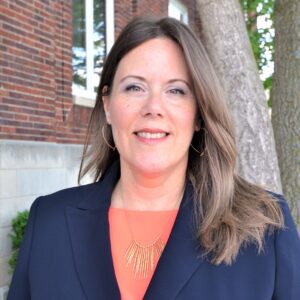
Andrea Dickerson is a Licensed Therapist and Certified Substance Use Counselor who has worked in behavioral health since 1997. Currently, Andrea is the Director of Behavioral Health, overseeing the Ember residential treatment programs and YSS outpatient counseling clinics throughout Central and North Central Iowa. She became a Motivational Interviewing (MI) trainer in 2006 and provides MI trainings throughout Iowa.
Andrea specializes in working with adolescents and their families and enjoys seeing the family relationships grow through therapy. Andrea is also a CARF International Surveyor, going around North America ensuring behavioral health organizations are meeting required standards.
In her free time, Andrea enjoys cheering on the Iowa Hawkeyes and Chicago Cubs, as well as being an active member of Soroptimist International of the Americas (SIA), a global organization that provides women and girls with access to the education and training they need to achieve economic empowerment. She has been a member of the SI of Des Moines club since 2012 and has been actively involved at the regional level, currently serving as Co-Governor of the Peaks to Plains Region.
Through her involvement in SIA, Andrea has been actively involved in the Dream Programs, coordinating annual Dream It, Be It: Career Support for Girls projects, which give girls the tools they need to achieve their education and career goals, empowering them to break cycles of poverty, violence, and abuse.