
When a teen or young adult begins the journey toward recovery, healing extends beyond the individual—it includes the entire family. For many families, distance, work, and busy schedules can make it difficult to attend in-person therapy. That’s where virtual family therapy comes in.
At Ember Recovery, our programs—including residential programs for troubled youth near me—emphasize family involvement as a key component of recovery. Through virtual sessions, families can remain actively engaged in their teen’s healing process, no matter where they live in Central Iowa or beyond.
The Role of Family in Teen Addiction Recovery
Addiction doesn’t occur in isolation. It affects the entire family system—communication patterns, trust, and emotional stability can all suffer. Research from the National Institute on Drug Abuse (NIDA) shows that family involvement in treatment significantly improves recovery outcomes for youth with substance use disorders.
At Ember Recovery, we believe family participation provides:
- Emotional connection: Teens feel supported when their family shows consistent care and involvement.
- Accountability and motivation: Family members can reinforce progress made in treatment.
- Better long-term outcomes: Families who learn healthy coping strategies help reduce relapse risk.
By addressing family dynamics alongside individual healing, virtual family therapy helps repair relationships and builds a foundation for lasting recovery.
How Virtual Family Therapy Works
Virtual family therapy uses secure video conferencing to connect family members with therapists in real time. This approach mirrors in-person sessions while allowing greater flexibility.
Benefits of Virtual Family Therapy include:
- Accessibility: Parents and guardians can join sessions from home, work, or another city.
- Consistency: Regular participation is easier without travel barriers.
- Comfort: Teens and families often feel more relaxed in their own environments.
- Collaboration: Everyone can stay connected to the recovery team, even after residential care ends.
This model aligns perfectly with Ember Recovery’s continuum of care, which transitions youth from teen residential treatment in Central Iowa to our Intensive Outpatient Program (IOP). Families can continue therapy remotely as their teen moves from residential to outpatient care—ensuring continuity, stability, and support throughout every stage of healing.
Supporting Teens and Young Adults: Two Unique IOP Tracks
At Ember Recovery, we serve two distinct age groups in our IOP programs:
- Teen IOP: Ages 12–18
- Young Adult IOP: Ages 18+
Both programs are designed to help clients maintain progress after residential treatment or to serve as standalone options for those who need structured support without full-time care. Virtual family therapy plays an essential role in both tracks—helping parents and caregivers learn how to navigate challenges, reinforce coping strategies, and build open communication channels that last long after treatment.
How Virtual Family Therapy Strengthens Family Bonds
Improved Communication
Therapy creates a structured space for honest conversations. Families learn to express emotions without blame and to listen without judgment—skills that are often lost during active substance use.
Rebuilding Trust
Trust can take time to rebuild after a teen’s struggles with substance use. Virtual sessions allow families to rebuild slowly and safely, guided by professional support from our licensed therapists.
Shared Understanding
Therapists help families understand addiction as a treatable condition, not a moral failing. This shift in perspective encourages compassion and patience.
Ongoing Support After Residential Care
Once a teen completes a residential program for troubled youth near me, families often worry about what happens next. Virtual therapy bridges the gap between treatment and home life, helping parents reinforce recovery tools in real-world situations.
Evidence-Based Family Approaches
At Ember Recovery, our lead family therapy modality is Multi-Dimensional Family Therapy (MDFT)—an evidence-based approach designed specifically for adolescents and young adults struggling with substance use and behavioral challenges. MDFT focuses on improving family communication, strengthening relationships, and helping parents and teens develop healthier ways to resolve conflict.
MDFT works across multiple dimensions of a teen’s life—including family, peers, school, and community—to create lasting change. By involving every key influence in a young person’s world, this model builds a united support system around recovery.
In addition to MDFT, Ember Recovery integrates other proven frameworks such as:
- The Strengthening Families Program (SFP): Builds bonding and positive parenting skills.
- Cognitive Behavioral Family Therapy (CBFT): Helps reshape unhelpful thought patterns that lead to conflict.
- Motivational Interviewing (MI): Encourages open dialogue and strengthens motivation for change.
These evidence-based methods have demonstrated measurable success in improving family dynamics and reducing relapse rates among youth with substance use disorders.
Family Weekends: Connecting Beyond the Screen
While virtual sessions provide flexibility, Ember Recovery also hosts Family Weekends—special events designed to deepen connection and healing in a supportive, therapeutic environment.
During Family Weekends, parents and guardians participate in group sessions, educational workshops, and shared activities with their teen. Whether in person or attended virtually, these weekends offer families the chance to apply communication tools, celebrate progress, and continue building trust together.
Family Weekends serve as a powerful complement to virtual therapy, strengthening the emotional bridge between home life and treatment.
Why Virtual Therapy Matters for Central Iowa Families
Central Iowa families often face logistical challenges—long travel distances, work schedules, or caring for other children—that can make attending in-person sessions difficult. Virtual therapy eliminates these barriers and ensures every family can participate in the recovery process.
Whether your teen is currently enrolled in teen residential treatment in Central Iowa or transitioning into IOP, Ember Recovery provides the tools, flexibility, and professional guidance to make family involvement accessible and effective.
A Continuum of Care that Puts Families First
Every client at Ember Recovery benefits from a holistic treatment pathway that extends beyond residential care. Our continuum includes:
- Residential Treatment: A safe, structured environment for stabilization and healing.
- Step-Down IOP: Continued therapy and life-skills support through in-person and virtual sessions.
- Aftercare and Alumni Support: Ongoing engagement through check-ins, virtual support groups, and family education.
This seamless transition allows families to stay connected and involved, promoting recovery that lasts.
Taking the Next Step Toward Family Healing
Virtual family therapy gives families the opportunity to grow together, heal from shared challenges, and rebuild trust from anywhere. At Ember Recovery, we’ve seen firsthand how meaningful this connection can be in a teen’s long-term success.
If your family is ready to take the next step, our compassionate team is here to help. Learn more about our programs and schedule an assessment today.
Contact Ember Recovery to begin your family’s healing journey.
Sources:
[1] https://pmc.ncbi.nlm.nih.gov/articles/PMC8380649/?utm_source=chatgpt.com
[2] https://www.ncbi.nlm.nih.gov/books/NBK571088/?utm_source=chatgpt.com
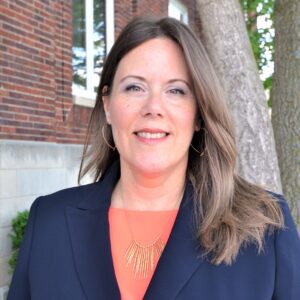
Andrea Dickerson is a Licensed Therapist and Certified Substance Use Counselor who has worked in behavioral health since 1997. Currently, Andrea is the Director of Behavioral Health, overseeing the Ember residential treatment programs and YSS outpatient counseling clinics throughout Central and North Central Iowa. She became a Motivational Interviewing (MI) trainer in 2006 and provides MI trainings throughout Iowa.
Andrea specializes in working with adolescents and their families and enjoys seeing the family relationships grow through therapy. Andrea is also a CARF International Surveyor, going around North America ensuring behavioral health organizations are meeting required standards.
In her free time, Andrea enjoys cheering on the Iowa Hawkeyes and Chicago Cubs, as well as being an active member of Soroptimist International of the Americas (SIA), a global organization that provides women and girls with access to the education and training they need to achieve economic empowerment. She has been a member of the SI of Des Moines club since 2012 and has been actively involved at the regional level, currently serving as Co-Governor of the Peaks to Plains Region.
Through her involvement in SIA, Andrea has been actively involved in the Dream Programs, coordinating annual Dream It, Be It: Career Support for Girls projects, which give girls the tools they need to achieve their education and career goals, empowering them to break cycles of poverty, violence, and abuse.