
When your teen struggles with both substance abuse and mental health challenges like depression or anxiety, finding the right treatment can feel overwhelming. You’re not alone in this struggle—statistics show that 1 in 6 people face substance use issues, with 90% beginning in their teen years 90% beginning in their teen years. Even more concerning, approximately 60% of adolescents in substance abuse treatment have co-occurring mental health disorders 60% of adolescents in substance abuse treatment have co-occurring mental health disorders. For families across Iowa seeking comprehensive care, understanding how therapy addresses both conditions simultaneously is essential to your teen’s recovery journey.
Understanding Co-occurring Disorders in Young Adults
Co-occurring disorders, also called dual diagnosis, occur when substance abuse and mental health conditions exist together. For adolescents and young adults ages 12-24, these intertwined challenges require specialized treatment that addresses both issues simultaneously rather than separately. Common co-occurring conditions include depression, anxiety disorders, PTSD, ADHD, and bipolar disorder alongside substance use.
At residential treatment centers like those serving Cambridge, IA, and surrounding Iowa communities, licensed clinicians recognize that treating only addiction without addressing underlying mental health issues often leads to relapse. That’s why evidence-based dual diagnosis treatment has become a cornerstone of effective adolescent addiction recovery.
Evidence-Based Therapeutic Approaches for Dual Diagnosis
Cognitive Behavioral Therapy (CBT)
Cognitive Behavioral Therapy stands as one of the most effective treatments for co-occurring disorders in young adults. CBT helps teens identify and change negative thought patterns that fuel both their mental health struggles and substance use. In practical terms, a licensed clinician might help your teen recognize that feelings of worthlessness (a depression symptom) trigger drug use as a coping mechanism.
Through CBT sessions in Iowa residential treatment centers, young adults learn:
- How to identify triggers for both substance use and mental health symptoms
- Healthy coping strategies to replace drug or alcohol use
- Skills to challenge distorted thinking patterns
- Relapse prevention techniques for long-term recovery
Multidimensional Family Therapy
Substance abuse doesn’t affect just the individual—it impacts the entire family system. That’s why Multidimensional Family Therapy is critical for treating co-occurring disorders. This evidence-based approach brings families into the recovery process, recognizing that healing requires addressing family dynamics, communication patterns, and relationships.
At facilities offering comprehensive inpatient rehab for teens, family therapy sessions help:
- Parents understand how mental health conditions and addiction interact
- Families develop healthier communication skills
- Everyone recognizes enabling behaviors and establishes appropriate boundaries
- Young adults rebuild trust with their caregivers
With 6,536+ overnight stays provided in 2022 alone, experienced programs understand that family involvement significantly improves treatment outcomes for teens and young adults.
Trauma Therapy
Many young adults with co-occurring disorders have experienced trauma—whether from abuse, neglect, bullying, or other painful experiences. Unaddressed trauma often underlies both mental health conditions and substance abuse as teens attempt to self-medicate emotional pain.
Specialized trauma-informed therapy approaches used in adolescent residential treatment Cambridge, IA programs include:
- Trauma-focused cognitive behavioral therapy
- EMDR (Eye Movement Desensitization and Reprocessing)
- Safe environment creation for processing difficult experiences
- Body-centered approaches recognizing trauma’s physical impact
Integrated Treatment in Residential Settings
The most effective approach to co-occurring disorders involves integrated treatment where mental health and addiction specialists work together rather than in silos. In Iowa residential treatment centers, this means your teen receives coordinated care where every clinician understands both conditions.
Residential treatment centers offering 24/7 supervision provide the safe, homelike atmosphere necessary for intensive therapeutic work. Young adults ages 18-24 particularly benefit from the Young Adult Program structure, which addresses developmental needs specific to this age group while treating both substance use and mental health challenges.
Programs serving 5,000+ clients understand that successful dual diagnosis treatment requires:
- Individual therapy sessions with licensed clinicians
- Group therapy with peers facing similar challenges
- Psychiatric medication management when appropriate
- Evidence-based therapeutic modalities tailored to each young adult
- Continuous assessment and treatment plan adjustments
Supporting Family Recovery Through the Strengthening Families Program
While your teen receives intensive treatment, you need support too. The Strengthening Families Program helps parents and caregivers develop skills to support their young adults’ recovery while managing their own stress and emotions. This family-centered approach recognizes that when families heal together, recovery outcomes improve dramatically.
Building a Foundation for Lasting Recovery
Treating co-occurring disorders isn’t just about immediate stabilization—it’s about building healthy futures. That’s why comprehensive programs include Education Program services, ensuring teens don’t fall behind academically, and Aftercare Recovery Planning, providing ongoing support after residential treatment ends.
For young adults requiring medical detoxification before beginning therapy, Detox Referrals connects families with safe detox services, ensuring the transition to residential treatment happens safely with medical supervision.
Healing starts with hope. Whether your family is in Des Moines, Cambridge, or anywhere across Iowa, teen addiction treatment in Iowa that addresses co-occurring disorders through evidence-based therapy offers a path forward. With licensed clinicians, proven therapeutic approaches, and a commitment to individualized care, recovery is possible—even when both mental health and substance abuse challenges seem overwhelming.
Sources:
[1] https://www.ncbi.nlm.nih.gov/pmc/articles/PMC2770538/
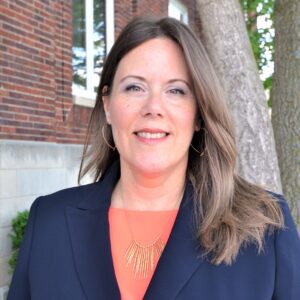
Andrea Dickerson is a Licensed Therapist and Certified Substance Use Counselor who has worked in behavioral health since 1997. Currently, Andrea is the Director of Behavioral Health, overseeing the Ember residential treatment programs and YSS outpatient counseling clinics throughout Central and North Central Iowa. She became a Motivational Interviewing (MI) trainer in 2006 and provides MI trainings throughout Iowa.
Andrea specializes in working with adolescents and their families and enjoys seeing the family relationships grow through therapy. Andrea is also a CARF International Surveyor, going around North America ensuring behavioral health organizations are meeting required standards.
In her free time, Andrea enjoys cheering on the Iowa Hawkeyes and Chicago Cubs, as well as being an active member of Soroptimist International of the Americas (SIA), a global organization that provides women and girls with access to the education and training they need to achieve economic empowerment. She has been a member of the SI of Des Moines club since 2012 and has been actively involved at the regional level, currently serving as Co-Governor of the Peaks to Plains Region.
Through her involvement in SIA, Andrea has been actively involved in the Dream Programs, coordinating annual Dream It, Be It: Career Support for Girls projects, which give girls the tools they need to achieve their education and career goals, empowering them to break cycles of poverty, violence, and abuse.