
When your adolescent or young adult is struggling with substance use, finding the right treatment program can feel overwhelming.
But there’s good news: healing starts with hope. High-quality teen drug rehab programs use evidence-based care to help adolescents and young adults (ages 12–24) build healthy, resilient lives. Understanding what defines a trusted, effective treatment program can help families make informed choices during a critical time.
Licensed Clinical Staff: The Foundation of Quality Care
The foundation of any effective teen drug rehab program lies in its clinical expertise. Trusted treatment centers employ licensed professionals, including therapists, counselors, and medical staff, who specialize in adolescent development and addiction recovery.
Young people are not simply “small adults.” Their brains are still developing, peer influences are stronger, and emotional regulation is still evolving. Licensed clinicians understand these developmental differences, providing age-appropriate, trauma-informed interventions that address not just substance use but also the underlying causes.
For Iowa families, it’s essential to seek residential treatment programs that offer 24/7 supervision by trained professionals, ensuring safety and support throughout the entire recovery process.
Evidence-Based Treatment Approaches
High-quality teen drug rehab programs rely on evidence-based methods, not fads. These are proven approaches backed by years of clinical research and credible outcomes.
Some of the most effective treatment models include:
- Cognitive Behavioral Therapy (CBT): Helps teens identify negative thought patterns and develop healthier coping mechanisms.
- Dialectical Behavior Therapy (DBT): Builds emotional regulation and distress tolerance skills critical for relapse prevention.
- Motivational Interviewing (MI): Encourages self-reflection and intrinsic motivation to make positive lifestyle changes.
- Trauma-Informed Therapy: Recognizes and treats past trauma that often drives substance use behaviors.
Programs that integrate evidence-based care deliver measurable, lasting results while personalizing treatment plans for each teen’s unique needs.
Family Involvement: Recovery Is a Team Effort
Substance use doesn’t just affect individuals—it impacts entire families. Effective programs view family involvement as essential, not optional.
Approaches like Multidimensional Family Therapy and the Strengthening Families Program rebuild trust, improve communication, and teach practical tools families can sustain after treatment. According to the Substance Abuse and Mental Health Services Administration (SAMHSA), family participation in treatment significantly reduces relapse rates and improves outcomes.
For families across Iowa, from Des Moines to Cedar Rapids, active family involvement ensures that recovery extends beyond the treatment center and into everyday life.
Dual Diagnosis Capabilities
Research from the National Institute on Drug Abuse (NIDA) shows that 60% of adolescents with substance use disorders also have co-occurring mental health challenges.
High-quality programs must address both simultaneously through dual diagnosis treatment—integrating care for conditions like anxiety, depression, ADHD, or trauma alongside addiction recovery.
Treating substance use in isolation risks relapse. Integrated dual-diagnosis care ensures that young people receive comprehensive support for the emotional and psychological roots of addiction.
Safe, Homelike Environment
The best residential treatment programs combine clinical excellence with a compassionate, homelike setting. Teens heal best in nurturing environments where they feel physically safe and emotionally supported.
Rooms, communal areas, and therapy spaces promote connection, comfort, and self-reflection, not clinical sterility. Gender-specific and LGBTQIA+ inclusive programs ensure every young person feels respected, validated, and empowered to focus on healing.
Continuity of Care and Education
Long-term recovery doesn’t end at graduation from a program. Continuity of care is a hallmark of a high-quality teen rehab program.
Comprehensive discharge planning, aftercare support, and coordination with outpatient providers ensure a smooth transition back into daily life. Ongoing resources, such as support groups and mentorship, reinforce stability and prevent relapse.
Additionally, maintaining educational progress is crucial. Programs that integrate academic instruction or coordinate with local schools help teens stay on track academically, reducing stress and easing reintegration after treatment.
What to Look for in Teen Drug Rehab Programs
When evaluating teen drug rehab options in Iowa, choose programs that demonstrate these key standards of excellence:
- Licensed clinicians with adolescent-specific training
- Evidence-based therapy approaches with proven outcomes
- 24/7 supervision and safe detox protocols
- Individualized, holistic treatment planning
- Consistent family engagement throughout treatment
- Dual-diagnosis support for mental health and addiction
- Safe, homelike, and inclusive environments that promote comfort and trust
These components ensure that treatment not only addresses the crisis but also builds skills for lifelong health and recovery.
Healing Starts with Hope
High-quality teen drug rehab builds more than sobriety; it builds resilience, self-awareness, and a sense of purpose. With licensed clinicians, evidence-based therapies, and family-centered care, recovery is not just possible; it’s happening every day across Iowa.
If your adolescent or young adult is struggling, you’re not alone. Learn more about comprehensive options through trusted residential programs like Ember Recovery, where hope, healing, and recovery grow together.
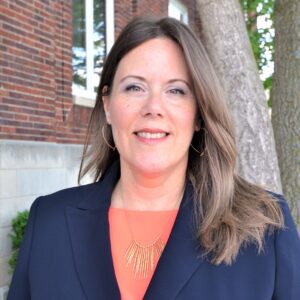
Andrea Dickerson is a Licensed Therapist and Certified Substance Use Counselor who has worked in behavioral health since 1997. Currently, Andrea is the Director of Behavioral Health, overseeing the Ember residential treatment programs and YSS outpatient counseling clinics throughout Central and North Central Iowa. She became a Motivational Interviewing (MI) trainer in 2006 and provides MI trainings throughout Iowa.
Andrea specializes in working with adolescents and their families and enjoys seeing the family relationships grow through therapy. Andrea is also a CARF International Surveyor, going around North America ensuring behavioral health organizations are meeting required standards.
In her free time, Andrea enjoys cheering on the Iowa Hawkeyes and Chicago Cubs, as well as being an active member of Soroptimist International of the Americas (SIA), a global organization that provides women and girls with access to the education and training they need to achieve economic empowerment. She has been a member of the SI of Des Moines club since 2012 and has been actively involved at the regional level, currently serving as Co-Governor of the Peaks to Plains Region.
Through her involvement in SIA, Andrea has been actively involved in the Dream Programs, coordinating annual Dream It, Be It: Career Support for Girls projects, which give girls the tools they need to achieve their education and career goals, empowering them to break cycles of poverty, violence, and abuse.