
If you have noticed Delta-8 THC products, colorful THC gummies, or hemp-derived vapes in gas stations and smoke shops across Iowa, you are not alone. These products have flooded the market in recent years, creating confusion for parents who may not understand what they are or whether they are legal for their children to use.
Understanding what the law says and why your teen might still encounter these substances helps you have informed conversations and recognize when substance use becomes concerning.
What Iowa’s 2024 Hemp Law Actually Says
Iowa enacted comprehensive hemp regulations under House File 2605, updating Iowa Code Section 204 to significantly change the THC product landscape, according to the Iowa Department of Health and Human Services (HHS). Here is what parents need to know:
- Age Restrictions: All hemp-derived THC products are now strictly restricted to individuals 21 and older, rather than 18. This means these products are illegal for all adolescents ages 12 through 17.
- Potency Limits: Consumable hemp products cannot exceed 4 milligrams of THC per serving or 10 milligrams per container.
- Synthetic Cannabinoid Ban: Iowa explicitly banned synthetic hemp-derived cannabinoids, including Delta-8, Delta-10, and THC-P. These lab-created compounds are illegal to sell within the state.
These regulations establish some of the most conservative parameters around hemp products in the nation, but enforcement and compliance remain ongoing challenges for Iowa families.
Why Teens Still Have Access
Despite stricter regulations, adolescents continue accessing THC products through several channels:
- Out-of-State Purchases: Neighboring states maintain different regulations, making border towns convenient for purchasing products illegal in Iowa.
- Online Sales: Internet retailers operating outside Iowa’s jurisdiction ship products directly to consumers, often bypassing adequate age verification.
- Social Networks: Friends or acquaintances over 21 may purchase products for younger users, or teens may obtain them through peer-to-peer sharing.
- Existing Inventory: Some retailers continue selling non-compliant products, either unknowingly or deliberately, making them accessible to underage purchasers.
- Inadequate Enforcement: With thousands of retail locations across Iowa, monitoring compliance remains difficult, creating gaps in protection for young people.
This ongoing accessibility underscores why parental awareness and open family communication remain crucial regardless of legal changes.
This Is Not Your Generation’s Marijuana
Many parents remember marijuana from their own youth, but today’s THC landscape is fundamentally different. Modern cannabis products, including Delta-8, Delta-9 gummies, and high-potency vape cartridges, deliver significantly higher THC concentrations than previous generations of marijuana.
Vape cartridges can contain 80% to 90% THC, compared to 3% to 5% in marijuana from past decades. Edibles provide delayed, intense effects that young people frequently misjudge, leading to overconsumption and potentially dangerous physical reactions. These high-potency products create severe risks for developing brains, particularly for adolescents whose prefrontal cortex is still maturing.
For more background on how cannabis affects young people, read our post on Teenagers and Weed.
Warning Signs and Health Risks
Teens using THC products regularly may exhibit:
- Declining academic or work performance
- Withdrawal from family relationships and activities they once enjoyed
- Memory problems and difficulty concentrating
- Changes in sleep patterns or appetite
- Increased anxiety, paranoia, or mood swings
- Loss of motivation toward future goals
- New friend groups or secretive behavior
Health risks for developing brains include:
- Impaired cognitive development and memory formation
- Increased risk of mental health disorders, including depression and anxiety
- Potential for cannabis use disorder, noting that a significant portion of individuals who start using substances as adolescents develop dependency
- Respiratory issues from vaping, including lung damage
- Decreased academic achievement and educational attainment
When mental health conditions exist alongside substance use, known as a dual diagnosis, specialized and integrated treatment becomes essential for lasting recovery.
When to Seek Teen Drug Treatment in Iowa
At Ember Recovery in Cambridge, Iowa, our specialized programs for adolescents ages 12 through 17 provide evidence-based, individualized care in a safe, homelike atmosphere with continuous supervision from licensed clinicians.
We understand today’s substance use landscape is complex and that seeking help can feel overwhelming. Our dual diagnosis treatment addresses both substance use and underlying mental health conditions, while family therapy programs help rebuild trust and strengthen family relationships. As part of YSS, Iowa’s oldest and largest youth-serving nonprofit with nearly five decades of service, we offer inclusive treatment in gender-specific programs designed around adolescent developmental needs.
Finding Hope and Healing
Understanding Iowa’s hemp laws is important, but recognizing when your teen needs help is crucial. You do not have to navigate this journey alone. Healing starts with hope, and evidence-based, compassionate care makes recovery possible.
Whether your child is struggling with Delta-8, THC gummies, vapes, or other substances, professional teen drug treatment Iowa families trust can provide the foundation for lasting change. At Ember Recovery, we believe in empowering young people to build healthy futures while supporting families every step of the way.
Contact Ember Recovery today to speak with our admissions team about our residential treatment programs for adolescents. We are here around the clock to answer your questions and help your family take the first step toward recovery.
Sources:
[1] https://hhs.iowa.gov/ [2] https://www.legis.iowa.gov/law/iowaCode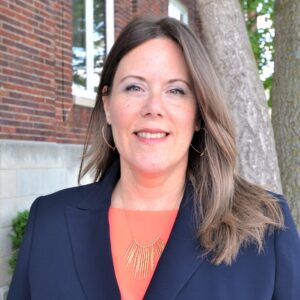
Andrea Dickerson is a Licensed Therapist and Certified Substance Use Counselor who has worked in behavioral health since 1997. Currently, Andrea is the Director of Behavioral Health, overseeing the Ember residential treatment programs and YSS outpatient counseling clinics throughout Central and North Central Iowa. She became a Motivational Interviewing (MI) trainer in 2006 and provides MI trainings throughout Iowa.
Andrea specializes in working with adolescents and their families and enjoys seeing the family relationships grow through therapy. Andrea is also a CARF International Surveyor, going around North America ensuring behavioral health organizations are meeting required standards.
In her free time, Andrea enjoys cheering on the Iowa Hawkeyes and Chicago Cubs, as well as being an active member of Soroptimist International of the Americas (SIA), a global organization that provides women and girls with access to the education and training they need to achieve economic empowerment. She has been a member of the SI of Des Moines club since 2012 and has been actively involved at the regional level, currently serving as Co-Governor of the Peaks to Plains Region.
Through her involvement in SIA, Andrea has been actively involved in the Dream Programs, coordinating annual Dream It, Be It: Career Support for Girls projects, which give girls the tools they need to achieve their education and career goals, empowering them to break cycles of poverty, violence, and abuse.