
Coming home after teen drug treatment in Iowa marks a significant milestone in your teen’s recovery journey. While completing residential treatment demonstrates tremendous courage and commitment, the transition back to daily life presents new challenges. Research shows that 90% of people with substance use disorders started using as teens, making the post-treatment period critical for long-term success. At Ember Recovery, we have supported over 5,000 adolescents through residential treatment, and we know that establishing healthy routines is one of the most powerful tools for sustaining recovery.
Why Structure Matters in Recovery
For adolescents ages 12-17, routines provide the predictability and stability that support lasting change. During active substance use, chaos often replaces structure, and irregular sleep patterns, missed commitments, and disconnection from healthy activities become the norm. Building consistent daily routines helps your teen rebuild their life on a foundation of healthy habits while reducing the stress and uncertainty that can trigger relapse.
Structure creates accountability, reduces decision fatigue, and fills time previously spent using substances with recovery-supportive activities. When every day has a predictable rhythm, your teen has fewer opportunities for old patterns to resurface.
Essential Components of a Recovery-Focused Routine
Sleep Hygiene and Rest
Quality sleep is foundational to mental health and recovery. Encourage your teen to:
- Maintain consistent sleep and wake times, even on weekends.
- Create a technology-free wind-down period before bed.
- Avoid caffeine after mid-afternoon.
- Keep their bedroom cool, dark, and reserved primarily for sleep.
Poor sleep increases cravings, impairs judgment, and destabilizes mood, which are all risk factors for relapse. With adequate rest, your teen will be better equipped to handle daily challenges and maintain the progress made during teen drug treatment in Iowa.
Educational or Vocational Engagement
Whether your teen is returning to high school, pursuing vocational training, or finding part-time employment, maintaining consistent engagement provides purpose and builds self-worth. Our focus on academics while undergoing substance abuse programs ensures treatment does not interrupt educational progress, and this continuity should continue at home.
Work with your teen to establish realistic goals and celebrate small victories. Regular attendance and engagement matter more than perfect performance during early recovery.
Physical Activity and Wellness
Exercise naturally boosts mood, reduces anxiety, and improves sleep quality. Help your teen identify physical activities they genuinely enjoy, whether that means team sports, solo workouts, yoga, or simply daily walks. Aim for 30 minutes of movement most days.
Physical activity also provides healthy ways to manage stress and build confidence as your teen navigates recovery.
Ongoing Therapy and Support
Recovery requires continued support beyond residential treatment. Schedule regular appointments with:
- Individual therapists specializing in adolescent recovery.
- Support group meetings appropriate for your teen’s age.
- Dual diagnosis treatment providers if co-occurring mental health conditions exist.
Make these appointments non-negotiable parts of your family’s weekly routine. Licensed clinicians can provide the ongoing evidence-based care your teen needs to maintain their recovery gains.
Family Connection Time
The role of family therapy does not end when treatment concludes. Schedule dedicated family time, such as shared meals, weekly check-ins, or recreational activities, that strengthen your relationship and provide opportunities for open communication.
Recovery affects the entire family system, and consistent connection helps everyone heal together. Your involvement remains essential to your teen’s long-term success.
Healthy Peer Relationships
Encourage your teen to build friendships within the recovery community. Relationships with peers who share recovery values provide understanding, accountability, and positive social connection without substance use.
Help facilitate connections by providing transportation to teen recovery events or supporting involvement in recovery-focused activities like sober social groups or volunteer opportunities.
Practical Implementation Strategies
- Start by creating a written weekly schedule together. Visual planning helps your teen take ownership of their routine while maintaining accountability to the family.
- Build flexibility into routines. Rigid schedules can feel overwhelming. Instead, focus on consistent anchor points like morning wake time, therapy appointments, family dinners, and bedtime, with flexibility in between.
- Recognize that routine-building takes time. Start with two or three non-negotiable daily habits and gradually add structure as confidence grows. Healing starts with hope, and small consistent steps build toward lasting change.
Building a Foundation for Lasting Recovery
Healthy routines transform abstract recovery goals into daily action. At Ember Recovery, our evidence-based approach to residential addiction treatment helps adolescents ages 12-17 develop these essential life skills within our safe, homelike environment. Our licensed clinicians provide 24/7 supervision and individualized care designed to empower youth and build healthy futures.
With nearly five decades of experience through YSS, Iowa’s oldest youth-serving nonprofit, we understand what young people need to thrive in recovery and beyond.
If your teen is struggling with substance use, healing starts with hope. Contact Ember Recovery today to learn more about how our compassionate, evidence-based teen drug treatment programs in Iowa can help your family begin the journey toward lasting recovery.
Source:
[1] https://www.nimh.nih.gov/health/topics/caring-for-your-mental-health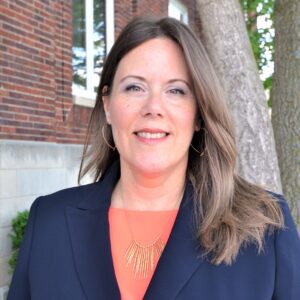
Andrea Dickerson is a Licensed Therapist and Certified Substance Use Counselor who has worked in behavioral health since 1997. Currently, Andrea is the Director of Behavioral Health, overseeing the Ember residential treatment programs and YSS outpatient counseling clinics throughout Central and North Central Iowa. She became a Motivational Interviewing (MI) trainer in 2006 and provides MI trainings throughout Iowa.
Andrea specializes in working with adolescents and their families and enjoys seeing the family relationships grow through therapy. Andrea is also a CARF International Surveyor, going around North America ensuring behavioral health organizations are meeting required standards.
In her free time, Andrea enjoys cheering on the Iowa Hawkeyes and Chicago Cubs, as well as being an active member of Soroptimist International of the Americas (SIA), a global organization that provides women and girls with access to the education and training they need to achieve economic empowerment. She has been a member of the SI of Des Moines club since 2012 and has been actively involved at the regional level, currently serving as Co-Governor of the Peaks to Plains Region.
Through her involvement in SIA, Andrea has been actively involved in the Dream Programs, coordinating annual Dream It, Be It: Career Support for Girls projects, which give girls the tools they need to achieve their education and career goals, empowering them to break cycles of poverty, violence, and abuse.