
When an adolescent struggles with substance use, their life often becomes unpredictable and chaotic. Sleep schedules disappear, responsibilities fall by the wayside, and relationships suffer. For families watching this unfold, the instability can feel overwhelming. What many do not realize is that rebuilding predictable routines and structure is not just helpful for recovery; it is foundational to lasting change.
Understanding why consistency matters can help families support their teens more effectively, whether they are currently exploring adolescent residential treatment centers in Iowa or navigating recovery at home.
The Science Behind Structure in Recovery
Research shows that substance use disorder disrupts the brain’s executive functioning, the systems responsible for planning, decision-making, and impulse control. When adolescents engage in recovery, their brains are still developing these crucial capabilities. Structure provides external support while internal regulatory systems heal and strengthen.
Predictable routines reduce cognitive load, meaning teens do not have to make constant decisions about what comes next. This mental space becomes available for the harder work of recovery: processing emotions, practicing coping skills, and building healthier patterns. Licensed clinicians understand that this foundation of consistency creates the safe environment where healing can truly begin.
How Structure Supports Emotional Regulation
Adolescents in early recovery often experience intense emotional fluctuations. Without substances to numb difficult feelings, they are learning to navigate emotions many avoided for months or years. Consistent daily rhythms, including regular sleep schedules, mealtimes, therapy sessions, and physical activity, create a stabilizing framework that feels both supportive and reassuring.
This predictability helps regulate the nervous system. When teens know what to expect, anxiety decreases. They can prepare mentally for challenging moments rather than being constantly caught off guard. Over time, this external structure becomes internalized as improved self-regulation skills, a vital part of building a healthy future.
Building Accountability Through Routine
Accountability is essential in recovery, but it works best when embedded in daily life rather than feeling punitive. Structured environments naturally create checkpoints where adolescents practice responsibility: showing up on time, completing tasks, participating in therapeutic activities, and communicating needs.
Adolescent residential treatment centers in Iowa, like Ember Recovery, incorporate evidence-based programming that includes therapeutic activities, educational components, family involvement, and skill-building exercises. With 24/7 supervision from caring professionals, this comprehensive approach helps teens experience accountability as supportive rather than restrictive, establishing trust while empowering growth.
Developing Healthy Coping Skills
Substance use often develops as an unhealthy coping mechanism. Recovery requires learning and practicing alternative strategies, but skills need repetition to become automatic. Structured schedules provide built-in opportunities to practice these skills daily in a safe, homelike atmosphere.
Whether it is starting each day with mindfulness exercises, attending individualized therapy sessions, engaging in physical activity, or participating in group support, these repeated experiences create new neural pathways. With each repetition, healthy coping becomes more accessible and automatic. Evidence-based approaches ensure that teens are not just staying busy; they are genuinely building tools for lasting recovery.
The Role of Expectations and Boundaries
Clear expectations provide security, especially for adolescents whose lives have felt chaotic. Knowing the guidelines, understanding consequences, and experiencing consistent follow-through builds trust and safety, two essential elements for healing.
In residential treatment settings with licensed clinicians, this might look like structured daily schedules, clear behavioral expectations, and predictable therapeutic routines. At home, families can establish consistent boundaries around communication, responsibilities, and recovery support activities. This partnership between treatment providers and families creates continuity that strengthens recovery outcomes.
Relapse Prevention Through Consistency
One of the greatest risk factors for relapse is returning to old environments and routines without adequate structure. Adolescents benefit from continuing structured schedules after residential treatment ends, gradually building independence while maintaining support systems.
Aftercare planning should include concrete daily and weekly routines: regular therapy appointments, support group meetings, school or work commitments, physical activity, and family check-ins. These structured elements create a safety net during vulnerable transitions, reinforcing the message that healing starts with hope and continues with consistency.
Applying Structure at Home
Families play an essential role in recovery success. You can support your teen’s healing journey by establishing consistent home environments:
- Create predictable routines around meals, sleep, and family time that provide stability.
- Set clear, reasonable expectations and follow through consistently with empathy.
- Schedule regular check-ins for open communication without judgment.
- Build in healthy activities like exercise, creative outlets, and positive social connection.
- Maintain boundaries while offering unwavering support and understanding.
Remember that structure should feel supportive, not restrictive. The goal is creating stability that allows adolescents to focus on healing and growth. When families partner with professional treatment providers, this combination creates the strongest foundation for lasting recovery.
Take the Next Step Toward Your Teen’s Future
Consistency and structure create the stable foundation adolescents need to develop healthier patterns, practice new skills, and build confidence in recovery. Whether in residential treatment with 24/7 supervision or at home with family support, predictable routines support healing while reducing relapse risk.
Healing starts with hope, and hope grows stronger when teens feel safe, supported, and empowered to build healthy futures. Evidence-based treatment in a structured environment with licensed clinicians can provide the individualized care your family needs during this challenging time.
If your adolescent is struggling with substance use, know that you are not alone. Ember Recovery offers compassionate, evidence-based care in a safe, homelike atmosphere where teens ages 12 to 17 can find their path to lasting recovery. Contact us today to learn more about our individualized treatment programs and how we can support your family’s healing journey.
Source:
[1] https://pmc.ncbi.nlm.nih.gov/articles/PMC3593065/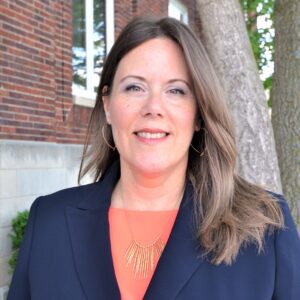
Andrea Dickerson is a Licensed Therapist and Certified Substance Use Counselor who has worked in behavioral health since 1997. Currently, Andrea is the Director of Behavioral Health, overseeing the Ember residential treatment programs and YSS outpatient counseling clinics throughout Central and North Central Iowa. She became a Motivational Interviewing (MI) trainer in 2006 and provides MI trainings throughout Iowa.
Andrea specializes in working with adolescents and their families and enjoys seeing the family relationships grow through therapy. Andrea is also a CARF International Surveyor, going around North America ensuring behavioral health organizations are meeting required standards.
In her free time, Andrea enjoys cheering on the Iowa Hawkeyes and Chicago Cubs, as well as being an active member of Soroptimist International of the Americas (SIA), a global organization that provides women and girls with access to the education and training they need to achieve economic empowerment. She has been a member of the SI of Des Moines club since 2012 and has been actively involved at the regional level, currently serving as Co-Governor of the Peaks to Plains Region.
Through her involvement in SIA, Andrea has been actively involved in the Dream Programs, coordinating annual Dream It, Be It: Career Support for Girls projects, which give girls the tools they need to achieve their education and career goals, empowering them to break cycles of poverty, violence, and abuse.