
When a teenager struggles with substance use, families often wonder: Is professional help necessary, or will they grow out of this? Understanding the warning signs that indicate residential treatment may be needed can help you make an informed decision about your child’s care.
Research shows that 1 in 6 people struggle with substance use, and 90% start as teens. For adolescents ages 12 to 17, early intervention during this critical developmental period can redirect their path toward healing and recovery. Recognizing when outpatient support is not enough could be the difference in your teen’s journey to a healthier future.
Behavioral Warning Signs That Require Attention
Certain behavioral changes signal that your teen may need more intensive support than weekly therapy sessions can provide:
- Escalating substance use patterns: If your teen continues using despite previous treatment attempts, or their use has increased in frequency or quantity, this indicates outpatient care may lack sufficient structure.
- Legal consequences: Arrests for a DUI, possession, or substance-related charges often reveal how significantly addiction has impacted their decision-making.
- Inability to maintain responsibilities: Missing school, abandoning extracurricular activities, or neglecting personal commitments demonstrates that substances have disrupted their priorities.
- Dangerous behaviors: Driving while impaired, combining substances, or engaging in activities they would normally avoid suggest their judgment is severely compromised.
Emotional and Mental Health Concerns
Many teens struggling with substance use also face co-occurring mental health challenges. Understanding dual diagnosis in teen addiction treatment becomes essential when you notice:
- Severe depression, anxiety, or emotional volatility
- Self-harm behaviors or expressions of suicidal thoughts
- Inability to cope with daily stressors without substances
- Trauma symptoms that intensify substance use
When mental health and addiction intertwine, adolescent residential treatment programs that Iowa families trust provide 24/7 supervision by licensed clinicians and integrated, evidence-based care that outpatient settings cannot offer.
Social Isolation and Relationship Breakdown
Substance use often damages the relationships teens need most:
- Withdrawal from family: If your teen has become secretive, defensive, or hostile when discussing their whereabouts or activities, they may be hiding their use.
- Friend group changes: Abandoning longtime friends for new associations centered around substance use indicates that their social world now revolves around substances.
- Relationship conflicts: Frequent arguments, broken trust, and communication breakdown within your family system may signal the need for comprehensive family therapy within a residential setting.
When Safety Becomes a Concern
Certain situations require immediate, intensive intervention:
- Overdose or medical emergencies related to substance use
- Mixing substances in dangerous combinations
- Using alone or in unsafe environments
- Physical health deterioration despite awareness of consequences
If your teen needs medical stabilization, specialized programs can coordinate emergency care and continue treatment safely once they are medically cleared.
Academic and Developmental Disruptions
For adolescents aged 12 to 17, substance use during this formative period can derail their entire future trajectory:
- Failing classes or dropping out of school
- Loss of interest in previously enjoyed activities
- Lack of progress toward developmental milestones
- Regression in maturity and decision-making skills
Residential treatment provides structure that helps teens rebuild healthy routines while continuing their education and developing life skills essential for recovery.
Why Residential Treatment May Be the Answer
If you have recognized multiple warning signs, the adolescent residential treatment programs that Iowa facilities offer provide advantages that outpatient care cannot:
- Safe, structured environment: Removing your teen from negative influences creates space for genuine healing. By integrating a Pacific Northwest-inspired hospitality framework into our Midwest treatment centers, we provide a homelike, dignified atmosphere that feels comfortable rather than clinical.
- Comprehensive assessment: 24/7 supervision by licensed clinicians allows for a thorough understanding of your teen’s needs, including co-occurring disorders.
- Evidence-based therapies: Individualized treatment plans address the unique factors driving your teen’s substance use, delivered by experienced professionals.
- Family involvement: Programs that include family therapy help repair relationships and create healthier communication patterns.
At Ember Recovery in Cambridge, Iowa, we have provided over 7683 overnight stays and served more than 5,000 residential clients as part of YSS, Iowa’s oldest and largest youth-serving nonprofit. Our dedicated programs exclusively for adolescents ages 12 to 17 create a supportive atmosphere where young people build the foundation for lasting recovery.
Healing Starts With Hope
Recognizing these warning signs takes courage. If your teen shows multiple indicators that outpatient care isn’t enough, residential treatment can provide the comprehensive, evidence-based support they need to build a healthy future.
Your family does not have to navigate this journey alone. With licensed clinicians, constant supervision, and a safe, supportive environment, the adolescent residential treatment programs Iowa provides can offer your teen the care and hope they deserve.
Contact Ember Recovery today to learn more about how our evidence-based residential treatment can help your teen find their path to recovery and build the healthy future they deserve.
Source:
[1] https://nida.nih.gov/publications/research-reports/substance-use-in-women/substance-use-while-pregnant-breastfeeding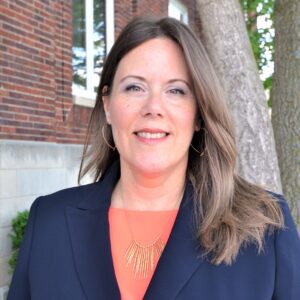
Andrea Dickerson is a Licensed Therapist and Certified Substance Use Counselor who has worked in behavioral health since 1997. Currently, Andrea is the Director of Behavioral Health, overseeing the Ember residential treatment programs and YSS outpatient counseling clinics throughout Central and North Central Iowa. She became a Motivational Interviewing (MI) trainer in 2006 and provides MI trainings throughout Iowa.
Andrea specializes in working with adolescents and their families and enjoys seeing the family relationships grow through therapy. Andrea is also a CARF International Surveyor, going around North America ensuring behavioral health organizations are meeting required standards.
In her free time, Andrea enjoys cheering on the Iowa Hawkeyes and Chicago Cubs, as well as being an active member of Soroptimist International of the Americas (SIA), a global organization that provides women and girls with access to the education and training they need to achieve economic empowerment. She has been a member of the SI of Des Moines club since 2012 and has been actively involved at the regional level, currently serving as Co-Governor of the Peaks to Plains Region.
Through her involvement in SIA, Andrea has been actively involved in the Dream Programs, coordinating annual Dream It, Be It: Career Support for Girls projects, which give girls the tools they need to achieve their education and career goals, empowering them to break cycles of poverty, violence, and abuse.