
When your teenager is struggling with substance use, finding the right level of care can feel incredibly daunting. You want effective treatment, but you also want to maintain family connections and minimize disruption to their education and daily life. For some families, remote Intensive Outpatient Programs (IOP) offer a flexible pathway to recovery that keeps adolescents engaged in treatment while remaining at home.
What Is Remote IOP?
Remote IOP provides structured, clinical addiction treatment delivered virtually through secure telehealth platforms. Participants typically attend multiple therapy sessions per week, often 9 to 12 hours in total, while continuing to live at home and maintain their regular routines. Telehealth services have expanded significantly to meet the growing demand for accessible addiction treatment across the country.
This treatment model includes individual counseling, group therapy, family sessions, and education about substance use and recovery skills. Licensed clinicians deliver evidence-based care through video sessions, creating a supportive environment where teens can work toward lasting recovery.
Benefits of Virtual Treatment for Teenagers
Maintaining School and Family Life
Remote IOP allows your teen to continue attending school, participating in family activities, and staying connected to positive support systems at home. This continuity can be highly valuable for those who have stable, supportive home environments and are clinically appropriate for outpatient-level care.
Increased Accessibility
For Iowa families living in rural areas or facing transportation challenges, virtual treatment removes geographical barriers. Parents in communities far from adolescent addiction treatment Iowa facilities can access quality care without lengthy drives multiple times per week.
Family Involvement
Remote programs often make family participation easier. Parents and caregivers can join family therapy sessions from home, facilitating meaningful involvement in their loved one’s recovery journey without work schedule conflicts or childcare concerns. Family therapy plays a crucial role in addressing teen substance abuse and supporting long-term recovery.
Building Real-World Recovery Skills
Since participants remain in their daily environment, they immediately practice coping strategies and recovery skills in real-life situations. This includes managing triggers at home, navigating social situations, and making healthy choices in their actual community.
Understanding the Continuum of Care
While remote IOP offers significant benefits, it is essential to understand that it represents one level within the continuum of addiction treatment. For many adolescents, residential treatment provides the intensive, immersive support necessary for sustainable recovery.
When Residential Treatment Is Necessary
Residential treatment centers offer 24/7 supervision, structured programming, and separation from negative influences. These are critical elements when
- Co-occurring mental health conditions require dual diagnosis treatment
- The home environment presents ongoing triggers or access to substances
- Previous outpatient attempts have not achieved lasting results
- Medical monitoring during early recovery provides needed safety
At Ember Recovery, we have served over 5,000 clients since our founding. We provide evidence-based care explicitly designed for adolescents ages 12 to 17. Integrating a Pacific Northwest-inspired hospitality framework into Midwest treatment, our Cambridge, IA campus ensures the environment feels welcoming, dignified, and comfortable. We recognize that intensive residential care with 24/7 supervision often provides the foundation teenagers need for long-term recovery. Healing starts with hope, and we meet each person where they are on their recovery journey.
Transitioning Between Levels of Care
Recovery is not one-size-fits-all. Some teenagers begin their journey in residential treatment and transition to remote IOP as they build recovery skills and prepare to return home. This stepped approach combines intensive initial support with ongoing accountability and clinical guidance.
Key Components of Effective Remote IOP
Successful virtual programs share common elements that support lasting recovery:
- Structured Scheduling: Multiple sessions weekly maintain therapeutic momentum and accountability.
- Evidence-Based Therapies: Cognitive Behavioral Therapy, motivational interviewing, and other proven approaches address the root causes of substance use.
- Family Therapy: Multidimensional Family Therapy and family education strengthen the entire family system.
- Recovery Support: Peer connections and group therapy combat isolation and build community.
- Individualized Treatment Plans: Personalized approaches address each person’s unique needs, circumstances, and goals.
Finding the Right Support for Your Family
Whether remote IOP or residential treatment best serves your teen depends on their unique circumstances, clinical needs, and recovery goals. At Ember Recovery, we are committed to helping Iowa families access the right care at the right time. Our team of licensed clinicians provides compassionate guidance as you navigate adolescent drug rehab options and teen drug treatment solutions in Iowa.
Healing starts with hope. Contact Ember Recovery today to discuss which level of care can best support your loved one’s journey toward a healthy, empowered future.
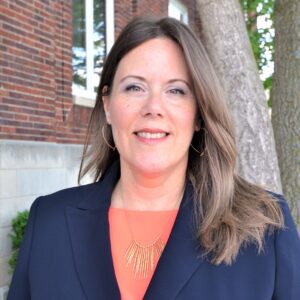
Andrea Dickerson is a Licensed Therapist and Certified Substance Use Counselor who has worked in behavioral health since 1997. Currently, Andrea is the Director of Behavioral Health, overseeing the Ember residential treatment programs and YSS outpatient counseling clinics throughout Central and North Central Iowa. She became a Motivational Interviewing (MI) trainer in 2006 and provides MI trainings throughout Iowa.
Andrea specializes in working with adolescents and their families and enjoys seeing the family relationships grow through therapy. Andrea is also a CARF International Surveyor, going around North America ensuring behavioral health organizations are meeting required standards.
In her free time, Andrea enjoys cheering on the Iowa Hawkeyes and Chicago Cubs, as well as being an active member of Soroptimist International of the Americas (SIA), a global organization that provides women and girls with access to the education and training they need to achieve economic empowerment. She has been a member of the SI of Des Moines club since 2012 and has been actively involved at the regional level, currently serving as Co-Governor of the Peaks to Plains Region.
Through her involvement in SIA, Andrea has been actively involved in the Dream Programs, coordinating annual Dream It, Be It: Career Support for Girls projects, which give girls the tools they need to achieve their education and career goals, empowering them to break cycles of poverty, violence, and abuse.