
Completing residential treatment is a major milestone in your teen’s recovery journey, but it’s not the final destination. The transition back to daily life presents unique challenges that require continued support, structure, and accountability. For families seeking teen drug treatment in Iowa, understanding how outpatient care fits into a comprehensive continuum of recovery is essential for long-term success.
Research shows that 90% of people struggling with substance use began as teens, making early intervention and sustained support critical. Outpatient programs serve as a vital bridge between the intensive structure of residential care and the independence of everyday life, helping adolescents maintain their progress while reintegrating into their communities.
What Is Outpatient Support After Residential Treatment?
Outpatient support provides ongoing therapy, accountability, and clinical oversight after completing residential treatment. Unlike the 24/7 supervision offered in residential care, outpatient programs allow teens to live at home while attending scheduled therapy sessions, group counseling, and support meetings several times per week.
This level of care isn’t designed to replace residential treatment; it’s the next step in a carefully structured continuum that supports sustained recovery. After completing intensive residential programming, outpatient care helps adolescents consolidate the skills they’ve learned and apply them in real-world settings with continued clinical support.
Components of Effective Outpatient Care
1. Continued Individual and Group Therapy
Regular therapy sessions help teens process triggers, practice coping strategies, and work through challenges as they arise. Evidence-based approaches like Cognitive Behavioral Therapy (CBT) and Dialectical Behavior Therapy (DBT) continue to reinforce healthy thinking patterns established during residential care, providing consistency during a critical transition period.
2. Family Involvement and Support
Recovery impacts the entire family system. Family therapy remains essential during outpatient care, helping families strengthen communication, rebuild trust, and maintain healthy boundaries. Programs like Multidimensional Family Therapy recognize that family involvement significantly improves long-term outcomes, and parents continue to play a vital role in their child’s healing journey.
3. Accountability and Structure
Regular check-ins with licensed clinicians, consistent attendance requirements, and structured programming provide the accountability teens need during vulnerable transition periods. This framework helps maintain recovery momentum while gradually increasing independence in a safe, supportive way.
4. School and Community Reintegration
Returning to school or daily responsibilities while maintaining sobriety requires practical support and guidance. Outpatient programs help adolescents navigate peer pressure, manage academic stress, and develop healthy routines, all while staying connected to an adolescent addiction treatment near me network or clinical team that understands their unique journey.
5. Dual Diagnosis Support
For teens with co-occurring mental health conditions, outpatient care ensures dual diagnosis treatment continues beyond residential placement. Managing both substance use challenges and mental health symptoms requires ongoing clinical oversight from licensed professionals and medication management when appropriate.
The Role of Intensive Outpatient Programs (IOP)
Intensive Outpatient Programs represent a middle tier in the continuum of care: more support than traditional outpatient but less restrictive than residential treatment. IOPs typically involve 9 to 12 hours of programming weekly, making them ideal for teens stepping down from residential care who still benefit from substantial clinical support and structure.
Why Starting with Residential Care Matters
While outpatient programs provide valuable ongoing support, they aren’t appropriate as initial treatment for moderate-to-severe substance use disorders. Adolescents facing significant challenges often need 24/7 supervision by licensed clinicians, evidence-based intensive therapy, and a structured environment that only residential care provides, creating a safe foundation for lasting recovery.
At Ember Recovery, our dedicated programs provide a safe, homelike atmosphere and an individualized treatment foundation for lasting recovery, followed by comprehensive aftercare planning that connects families with appropriate outpatient resources throughout Iowa.
Building a Foundation for Lasting Recovery
Healing starts with hope, and it continues with the right support at every stage. Recovery is a journey that extends well beyond residential treatment. By understanding how outpatient care fits into a comprehensive continuum, families can better support their teens through every phase of healing, building healthy futures together.
If you’re seeking adolescent drug rehab or an adolescent treatment program in Iowa that provides a strong foundation for long-term success, contact Ember Recovery today. Learn more about how our evidence-based residential programs, licensed clinicians, and aftercare planning can provide your teen with the safe, supportive environment they need for lasting recovery at our teen treatment center in Iowa. Hope and healing are possible.
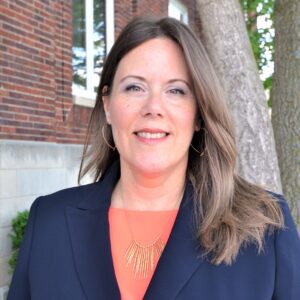
Andrea Dickerson is a Licensed Therapist and Certified Substance Use Counselor who has worked in behavioral health since 1997. Currently, Andrea is the Director of Behavioral Health, overseeing the Ember residential treatment programs and YSS outpatient counseling clinics throughout Central and North Central Iowa. She became a Motivational Interviewing (MI) trainer in 2006 and provides MI trainings throughout Iowa.
Andrea specializes in working with adolescents and their families and enjoys seeing the family relationships grow through therapy. Andrea is also a CARF International Surveyor, going around North America ensuring behavioral health organizations are meeting required standards.
In her free time, Andrea enjoys cheering on the Iowa Hawkeyes and Chicago Cubs, as well as being an active member of Soroptimist International of the Americas (SIA), a global organization that provides women and girls with access to the education and training they need to achieve economic empowerment. She has been a member of the SI of Des Moines club since 2012 and has been actively involved at the regional level, currently serving as Co-Governor of the Peaks to Plains Region.
Through her involvement in SIA, Andrea has been actively involved in the Dream Programs, coordinating annual Dream It, Be It: Career Support for Girls projects, which give girls the tools they need to achieve their education and career goals, empowering them to break cycles of poverty, violence, and abuse.