
When your teen faces both substance use and mental health challenges, the experience can feel overwhelming. Yet this is far more common than many parents realize.
At Ember Recovery in Cambridge, IA, we know that treating both conditions at once isn’t just beneficial—it’s essential. Effective dual diagnosis treatment provides teens with the comprehensive, integrated support needed for lasting recovery.
Understanding Dual Diagnosis in Adolescents
Dual diagnosis, also known as co-occurring disorders, refers to when a person experiences both a substance use disorder and a mental health condition simultaneously.
Among adolescents ages 12–17, frequent co-occurring conditions include:
- Depression and anxiety disorders
- Post-Traumatic Stress Disorder (PTSD)
- Attention-Deficit/Hyperactivity Disorder (ADHD)
- Bipolar disorder
- Eating disorders
These conditions are deeply interconnected. Substance use can worsen mental health symptoms, while untreated mental health issues can drive teens toward substance use, creating a cycle that requires specialized, integrated care to break.
Why Treating One Condition Alone Fails
Treating only one side of a dual diagnosis is like addressing symptoms while ignoring their cause. For sustainable recovery, both mental health and substance use concerns must be treated together.
1. The Self‑Medication Cycle
Many teens turn to substances to ease mental health symptoms. A teen with severe anxiety might drink alcohol to calm their nerves in social settings. Another struggling with depression may use substances to escape persistent sadness.
If treatment focuses only on stopping substance use, these mental health symptoms remain unaddressed, driving relapse and frustration.
2. Overlapping Symptoms Create Confusion
Withdrawal, anxiety, and depression share symptoms such as fatigue, irritability, and isolation. Without an integrated approach, it’s easy to misread these signals, leading to incomplete assessments and ineffective treatment.
3. Conflicting Treatment Approaches
When treatment for mental health and substance use happens in separate silos, communication gaps form. Medication decisions, therapy goals, and recovery plans may conflict—creating confusion for teens and families.
Integrated care eliminates these barriers, ensuring that medical, psychiatric, and therapeutic teams all work toward the same unified outcome.
The Ember Recovery Approach: Integrated, Evidence‑Based Care
At Ember Recovery’s dual diagnosis adolescent treatment centers in Cambridge, we provide truly integrated, evidence‑based care where licensed clinicians address both conditions simultaneously.
Comprehensive Assessment
Every teen begins with a detailed evaluation conducted by our licensed clinical team. This assessment helps identify all co‑occurring diagnoses so treatment plans can be customized from day one.
Coordinated Treatment Team
Psychiatrists, therapists, medical professionals, and addiction counselors collaborate seamlessly. By sharing information and aligning goals, our clinicians ensure consistency and clarity for every client and family involved.
Evidence‑Based Therapies
Our programs use research-supported therapies proven to help adolescents manage both mental health and addiction recovery:
- Cognitive Behavioral Therapy (CBT): Reshapes negative thought patterns driving both conditions.
- Dialectical Behavior Therapy (DBT): Enhances emotional regulation and distress tolerance.
- Trauma‑Informed Care: Addresses the underlying trauma often linked to addictive behaviors.
- Multidimensional Family Therapy: Engages families in rebuilding communication, trust, and connection.
Safe, Homelike Environment
Our residential programs combine clinical supervision with the warmth of a home‑like atmosphere. Teens receive 24/7 licensed support in a safe, inclusive space free from outside triggers or harmful influences. When necessary, safe detoxification services and medical monitoring are provided to ensure stability and comfort.
Proven Experience, Compassionate Approach
Part of YSS—Iowa’s oldest and largest youth‑serving nonprofit since 1976—Ember Recovery has supported over 5,000 families and provided 6,536 overnight stays in 2022 alone.
What sets Ember apart is our dedication to age‑appropriate, inclusive care. Our dual diagnosis adolescent treatment centers in Cambridge offer a nurturing environment where each client’s emotional, physical, and academic needs are supported throughout recovery.
We provide:
- Gender‑specific and LGBTQIA+‑affirming programs
- Individualized, trauma‑informed care plans
- Licensed clinicians specializing in youth and family therapy
- Academic support for continued education
- Comprehensive aftercare planning
Here, healing starts with hope, and every recovery journey is supported every step of the way.
Take the First Step Toward Integrated Healing
When your teen struggles with both mental health challenges and substance use, treating only one condition isn’t enough. Integrated dual diagnosis care provides the foundation for complete recovery.
If your family is seeking hope through compassionate, evidence‑based treatment, contact Ember Recovery in Cambridge, IA, today. Our licensed clinicians and dedicated staff are here to guide your teen toward a healthier, more hopeful future.
Healing starts with hope, and at Ember Recovery, hope leads to lasting change.
Source:
[1] https://www.samhsa.gov/mental-health/serious-mental-illness/co-occurring-disorders
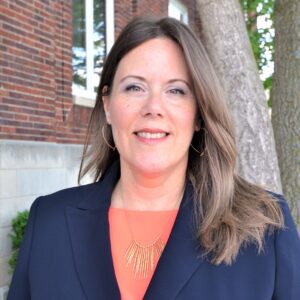
Andrea Dickerson is a Licensed Therapist and Certified Substance Use Counselor who has worked in behavioral health since 1997. Currently, Andrea is the Director of Behavioral Health, overseeing the Ember residential treatment programs and YSS outpatient counseling clinics throughout Central and North Central Iowa. She became a Motivational Interviewing (MI) trainer in 2006 and provides MI trainings throughout Iowa.
Andrea specializes in working with adolescents and their families and enjoys seeing the family relationships grow through therapy. Andrea is also a CARF International Surveyor, going around North America ensuring behavioral health organizations are meeting required standards.
In her free time, Andrea enjoys cheering on the Iowa Hawkeyes and Chicago Cubs, as well as being an active member of Soroptimist International of the Americas (SIA), a global organization that provides women and girls with access to the education and training they need to achieve economic empowerment. She has been a member of the SI of Des Moines club since 2012 and has been actively involved at the regional level, currently serving as Co-Governor of the Peaks to Plains Region.
Through her involvement in SIA, Andrea has been actively involved in the Dream Programs, coordinating annual Dream It, Be It: Career Support for Girls projects, which give girls the tools they need to achieve their education and career goals, empowering them to break cycles of poverty, violence, and abuse.