
No parent imagines their teen struggling with substance use, but methamphetamine has quietly become one of the most dangerous drugs threatening Iowa’s young people. While many substances carry risks, meth’s highly addictive nature and severe health consequences make it particularly concerning for adolescents whose brains are still developing.
If you are worried your teen might be using meth, you are not alone. Recovery is absolutely possible, and recognizing the warning signs early can make all the difference in getting your young person the help they need.
What Is Methamphetamine, and Why Is It a Concern in Iowa?
Methamphetamine is a powerful stimulant that affects the central nervous system, creating an intense euphoric high followed by a severe crash. It comes in various forms, including crystal, powder, or pill, and can be smoked, snorted, injected, or swallowed.
Iowa has historically faced significant challenges with methamphetamine distribution and use. Young people may encounter meth through peer groups, parties, or as a way to cope with underlying mental health struggles like depression or anxiety. Some teens initially use it for studying or weight loss, unaware of how quickly dependence can develop.
Specialized Iowa drug treatment programs for youth understand these unique regional challenges and provide targeted support tailored to the needs of young people facing substance use concerns.
Warning Signs Your Teen May Be Using Meth
Physical Warning Signs
Parents should watch for:
- Dramatic weight loss and decreased appetite
- Severe dental problems (“meth mouth”)
- Skin sores or excessive picking at skin
- Dilated pupils and rapid eye movement
- Extreme hyperactivity or restlessness
- Insomnia or erratic sleep patterns
- Tremors or uncontrolled body movements
Behavioral Changes
Meth use often causes noticeable behavioral shifts:
- Withdrawing from family and longtime friends
- New peer groups or secretive behavior
- Declining academic performance
- Abandoning previously enjoyed activities
- Increased aggression or mood volatility
- Unusual energy followed by extended crash periods
- Financial problems or missing items from home
Emotional and Psychological Signs
- Paranoia or extreme anxiety
- Hallucinations or delusional thinking
- Severe mood swings
- Depression during withdrawal periods
- Irritability and emotional outbursts
The Impact of Meth on the Developing Brain
Adolescents face unique risks because their brains are still developing during these formative years. Methamphetamine damages the brain’s dopamine system, affecting judgment, decision-making, memory, and emotional regulation.
Short-term effects include increased heart rate and blood pressure, hyperthermia, and risky behavior that can lead to accidents or injury.
Long-term consequences can involve:
- Permanent cognitive impairment
- Memory loss
- Cardiovascular damage
- Severe dental and skin problems
- Co-occurring mental health disorders
- Increased risk of infectious diseases
Understanding these risks helps Iowa drug treatment programs for youth create comprehensive, evidence-based care plans that address both immediate safety and long-term healing.
Why Residential Treatment Often Makes a Difference
Methamphetamine creates powerful psychological and physical dependence. The intense cravings and withdrawal symptoms make outpatient treatment challenging, especially when teens return to environments where triggers exist.
Exploring professional options like Inpatient Rehab for Teens provides structured, immersive care:
- 24/7 Licensed Clinical Support: Round-the-clock supervision by licensed clinicians ensures safety during the early recovery stages when cravings and mental health symptoms are most intense.
- Safe, Homelike Environment: A structured, supportive atmosphere away from peer pressure and access to substances gives young people space to focus entirely on healing.
- Evidence-Based Therapies: Treatment includes substance abuse counseling for teens, individual counseling, and therapeutic activities that address both substance use and underlying mental health concerns.
- Dual Diagnosis Care: Many teens using meth also struggle with depression, anxiety, ADHD, or trauma. Effective treatment addresses these co-occurring disorders simultaneously.
- Family Involvement: Programs incorporating family therapy help rebuild trust and equip families with tools to support long-term recovery.
Hope and Healing at Ember Recovery
At Ember Recovery, we have helped over 5,000 young people find their path to recovery. Our Iowa drug treatment programs for youth specialize in treating adolescents ages 12 through 17 who are struggling with substance use and co-occurring mental health disorders.
Our evidence-based approach includes individualized treatment plans created by licensed clinicians, trauma therapy, ongoing education support, and comprehensive aftercare planning. We create a safe, LGBTQIA+-inclusive environment where young people can heal and build the skills needed for lasting recovery.
Healing starts with hope, and it starts with reaching out.
Take the First Step Today
If you are concerned about meth use or any substance use affecting your adolescent, do not wait. Early intervention changes lives. Contact Ember Recovery today to learn more about our specialized treatment programs and how we can help your family find hope and healing.
Our licensed clinicians are here to answer your questions and guide you through the process. You do not have to navigate this journey alone, as we are here to support your entire family every step of the way.
Source:
[1] https://nida.nih.gov/research-topics/methamphetamine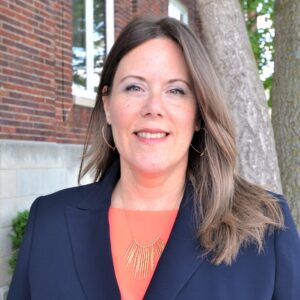
Andrea Dickerson is a Licensed Therapist and Certified Substance Use Counselor who has worked in behavioral health since 1997. Currently, Andrea is the Director of Behavioral Health, overseeing the Ember residential treatment programs and YSS outpatient counseling clinics throughout Central and North Central Iowa. She became a Motivational Interviewing (MI) trainer in 2006 and provides MI trainings throughout Iowa.
Andrea specializes in working with adolescents and their families and enjoys seeing the family relationships grow through therapy. Andrea is also a CARF International Surveyor, going around North America ensuring behavioral health organizations are meeting required standards.
In her free time, Andrea enjoys cheering on the Iowa Hawkeyes and Chicago Cubs, as well as being an active member of Soroptimist International of the Americas (SIA), a global organization that provides women and girls with access to the education and training they need to achieve economic empowerment. She has been a member of the SI of Des Moines club since 2012 and has been actively involved at the regional level, currently serving as Co-Governor of the Peaks to Plains Region.
Through her involvement in SIA, Andrea has been actively involved in the Dream Programs, coordinating annual Dream It, Be It: Career Support for Girls projects, which give girls the tools they need to achieve their education and career goals, empowering them to break cycles of poverty, violence, and abuse.