
Watching your teen struggle with substance use is one of the most challenging experiences a family can face. You have likely tried everything, from outpatient counseling and support groups to interventions, yet the cycle continues. At what point does residential treatment become the right choice? Understanding when this level of care is appropriate can help you make the best decision for your family.
Residential treatment is not necessary for every teen facing substance use challenges, but for some, it offers the comprehensive support needed for lasting recovery. Here is how to recognize when it might be the right path forward.
Signs Residential Treatment May Be Needed
Severity of Substance Use
When substance use consistently interferes with daily functioning, such as missing school, neglecting responsibilities, or causing health problems, it signals a serious concern. If your teen cannot maintain basic routines or has experienced medical complications, intensive intervention becomes critical. At Ember Recovery, our experience gives us deep insight into when residential care makes the difference between continued struggle and meaningful recovery.
Co-Occurring Mental Health Conditions
Many teens face dual diagnosis, involving substance use alongside depression, anxiety, trauma, or other mental health challenges. When these conditions intertwine, they require specialized treatment addressing both simultaneously. According to research, co-occurring patterns often begin in adolescence, requiring integrated treatment approaches. Our dual diagnosis program provides integrated care from licensed clinicians who understand the complex relationship between mental health and addiction.
Safety Concerns and Crisis Stabilization
If your teen’s substance use creates immediate safety risks through dangerous behavior, self-harm, or environments that enable continued use, removing them from those circumstances becomes paramount. Residential treatment offers continuous supervision in a safe, structured environment where healing can begin. For adolescents ages 12 through 17 experiencing crisis, our Iowa residential treatment center for troubled teens provides the secure, supportive setting needed for stabilization and recovery.
Repeated Relapse
Relapse does not mean failure, but a pattern of returning to substance use after outpatient treatment may indicate the need for more intensive support. When lower levels of care have not led to lasting change, residential treatment offers immersive, evidence-based interventions that address underlying issues more thoroughly.
Lack of Progress in Outpatient Care
Sometimes outpatient therapy simply is not enough. If your teen has participated in counseling or community-based programs without meaningful improvement, a residential treatment center provides the intensity and structure necessary for breakthrough change.
Understanding the Continuum of Care
Residential treatment represents one option within a broader continuum of care. Treatment recommendations should always be individualized, considering each teen’s unique circumstances, strengths, and needs.
Professional assessments help determine appropriate care levels. Licensed clinicians evaluate substance use severity, mental health status, medical needs, family dynamics, and previous treatment history to develop personalized recommendations. Research emphasizes that matching treatment settings and interventions to individual needs is critical for success.
What Makes Residential Treatment Different
Structured Therapeutic Environment
Residential programs provide distance from negative influences and triggers, allowing teens to focus entirely on recovery. At our Cambridge facility, we create a homelike atmosphere where young people feel supported rather than institutionalized. Our Iowa residential treatment center for troubled teens offers the nurturing environment adolescents need to rediscover hope and build healthy coping skills.
Comprehensive and Evidence-Based Care
Our programs combine individual therapy, group counseling, family involvement, and specialized interventions like trauma therapy. We also maintain educational programming, ensuring teens do not fall behind academically during treatment. Every aspect of care is delivered by licensed clinicians using proven, evidence-based approaches.
Family Involvement
Recovery is a family journey. Through family therapy in addiction recovery, we help repair relationships and build healthier communication patterns. We recognize that parents and caregivers are essential partners in their teen’s healing process.
Making the Decision
Choosing residential treatment is deeply personal. Consider these questions:
- Have other interventions failed to create lasting change?
- Does your teen’s safety depend on a supervised environment?
- Are co-occurring disorders complicating recovery?
- Would your teen benefit from intensive, immersive treatment?
Trust your instincts as a parent, but also seek professional guidance. Assessment professionals at our Iowa residential treatment center for troubled teens can provide objective recommendations based on clinical expertise and compassionate understanding of your family’s unique situation.
Healing Starts With Hope
If you are wondering whether residential treatment is right for your teen, you are already taking an important step toward a healthier future. The decision to seek help demonstrates courage and love. Contact Ember Recovery today to learn more about our adolescent residential treatment programs in Iowa and discover how personalized, compassionate care from licensed clinicians in a safe, supportive environment can help your teen build the foundation for lasting recovery. Your family’s journey toward healing starts here.
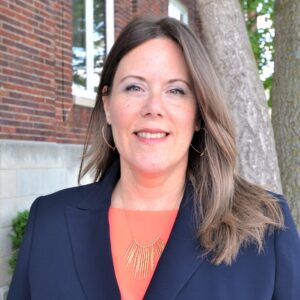
Andrea Dickerson is a Licensed Therapist and Certified Substance Use Counselor who has worked in behavioral health since 1997. Currently, Andrea is the Director of Behavioral Health, overseeing the Ember residential treatment programs and YSS outpatient counseling clinics throughout Central and North Central Iowa. She became a Motivational Interviewing (MI) trainer in 2006 and provides MI trainings throughout Iowa.
Andrea specializes in working with adolescents and their families and enjoys seeing the family relationships grow through therapy. Andrea is also a CARF International Surveyor, going around North America ensuring behavioral health organizations are meeting required standards.
In her free time, Andrea enjoys cheering on the Iowa Hawkeyes and Chicago Cubs, as well as being an active member of Soroptimist International of the Americas (SIA), a global organization that provides women and girls with access to the education and training they need to achieve economic empowerment. She has been a member of the SI of Des Moines club since 2012 and has been actively involved at the regional level, currently serving as Co-Governor of the Peaks to Plains Region.
Through her involvement in SIA, Andrea has been actively involved in the Dream Programs, coordinating annual Dream It, Be It: Career Support for Girls projects, which give girls the tools they need to achieve their education and career goals, empowering them to break cycles of poverty, violence, and abuse.