
If you’ve noticed changes in your teen or young adult’s behavior, missed responsibilities, withdrawing from family, or declining grades, you’re right to be concerned. The statistics are alarming: 1 in 6 people struggle with substance use, and 90% begin as teens.
According to the National Institute on Drug Abuse, adolescence and young adulthood are formative years that can determine whether casual experimentation leads to lifelong challenges or a healthy, substance‑free future.
The positive news? Early intervention dramatically improves outcomes. Recognizing teen substance abuse early and acting quickly can alter your child’s path toward lasting healing.
Why Adolescents and Young Adults Are Especially Vulnerable
The teenage years bring immense change—academic pressures, social influence, independence, and identity development. During this time, the brain continues developing until age 25, particularly in areas that control judgment, impulse, and decision‑making.
This makes adolescents and young adults more susceptible to risky behaviors like substance use. What begins as social experimentation or a coping method for stress, anxiety, or trauma can spiral into dependency before families realize the extent of the problem.
For families in Cambridge, IA, early awareness and prevention provide the best opportunity to intervene before substance use patterns deepen.
Recognizing the Signs: Age‑Specific Red Flags
Middle School (Ages 12–14)
- Loss of interest in sports, hobbies, or after‑school activities
- Frequent lying or secrecy about whereabouts
- Drastic mood swings or increased irritability
- Changes in appetite or sleep habits
- New group of friends and increased defiance toward authority
- Decline in grades or attention in school
- Discovery of paraphernalia such as vape pens, bottles, or pills
Early middle school years are often when experimentation begins, especially with vaping, alcohol, or marijuana. Open communication and support at this stage can prevent long‑term struggles.
High School (Ages 15–18)
- Rapid decline in grades or class attendance
- Unexplained absences or staying out late
- Withdrawal from family and old friends
- Aggressive or defensive responses when substance use is mentioned
- Persistent fatigue or changes in appearance
- Financial issues or missing valuables from home
- Riskier decisions, including unsafe driving or skipping classes
High school pressures—academics, peer acceptance, and social influence—can push teens toward risky coping mechanisms. Awareness helps parents intervene early and guide teens toward help rather than punishment.
The Consequences of Delayed Intervention
Waiting too long to act can lead to long‑term challenges that compound over time, affecting every part of a young person’s life.
- 1. Academic and Future Setbacks: Missed school, suspensions, and dropping out derail opportunities for college, careers, and self‑development.
Mental and Physical Health Risks: Substance use often co‑occurs with depression, anxiety, and trauma. The longer it continues, the harder recovery becomes.
3. Legal and Disciplinary Trouble: Legal consequences can restrict employment, education, and housing well into adulthood.
4. Family and Relationship Strain: Substance use damages trust and isolates the teen from their strongest support system.
5. Deepened Dependency: Prolonged use rewires the brain’s reward system, increasing tolerance and making recovery more intensive.
The earlier treatment begins, the greater the chances of lasting recovery.
Hope Through Evidence‑Based Treatment in Cambridge, IA
At Ember Recovery in Cambridge, IA, we’ve helped over 5,000 clients reclaim their lives through structured, youth‑focused programs. In 2022 alone, we provided 6,536 overnight stays across our residential treatment centers.
Our programs specialize in adolescent (ages 12–17) and young adult (ages 18–24) care, designed around the unique developmental needs of these age groups.
Our Evidence‑Based Approach Includes:
- 24/7 supervision in a safe, homelike environment
- Licensed clinicians offering trauma‑informed therapy
- Co‑occurring disorder (dual diagnosis) treatment
- Education support to ensure academic continuity
- Family therapy using Multidimensional Family Therapy and Strengthening Families models
- Gender-specific and LGBTQIA+ inclusive care fostering safety and acceptance
- Transition planning to support ongoing recovery after discharge
As part of YSS, Iowa’s oldest and largest youth‑serving nonprofit since 1976, Ember brings nearly five decades of experience to youth restoration and resilience.
We focus on helping teens rebuild confidence, life skills, and healthy coping mechanisms—because healing starts with hope.
What Parents and Caregivers Can Do Right Now
Start the Conversation
Approach your teen with love, curiosity, and concern—not anger. Mention specific behaviors you’ve noticed and express that you want to help, not punish.
Educate Yourself
Learn about substances common among local teens and understand the overlap between mental health and addiction. Awareness empowers you to act effectively.
Seek a Professional Assessment
An early evaluation by a clinician helps identify whether behavior stems from experimentation, emotional regulation challenges, or a true substance use disorder.
Consider Residential Treatment
If substance use has escalated or safety becomes a concern, residential care offers structured, around‑the‑clock support to stabilize and heal.
Engage the Family
Recovery is not just about the individual—it’s about relationships and rebuilding trust. Family therapy supports everyone’s growth and healing.
Healing Starts with Hope
Early intervention changes everything. If your adolescent or young adult is struggling with teen substance abuse in Cambridge, IA, taking action today can prevent lifelong consequences.
Contact Ember Recovery for a compassionate, confidential assessment. Our dedicated clinicians are ready to listen, guide, and help your family rebuild together because every recovery journey starts with hope.
Sources:
[1] https://nida.nih.gov/research-topics/trends-statistics
[2] https://www.nimh.nih.gov/health/publications/the-teen-brain-7-things-to-know
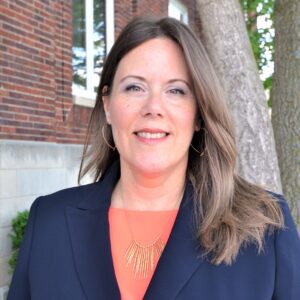
Andrea Dickerson is a Licensed Therapist and Certified Substance Use Counselor who has worked in behavioral health since 1997. Currently, Andrea is the Director of Behavioral Health, overseeing the Ember residential treatment programs and YSS outpatient counseling clinics throughout Central and North Central Iowa. She became a Motivational Interviewing (MI) trainer in 2006 and provides MI trainings throughout Iowa.
Andrea specializes in working with adolescents and their families and enjoys seeing the family relationships grow through therapy. Andrea is also a CARF International Surveyor, going around North America ensuring behavioral health organizations are meeting required standards.
In her free time, Andrea enjoys cheering on the Iowa Hawkeyes and Chicago Cubs, as well as being an active member of Soroptimist International of the Americas (SIA), a global organization that provides women and girls with access to the education and training they need to achieve economic empowerment. She has been a member of the SI of Des Moines club since 2012 and has been actively involved at the regional level, currently serving as Co-Governor of the Peaks to Plains Region.
Through her involvement in SIA, Andrea has been actively involved in the Dream Programs, coordinating annual Dream It, Be It: Career Support for Girls projects, which give girls the tools they need to achieve their education and career goals, empowering them to break cycles of poverty, violence, and abuse.