
When your teen or young adult completes residential treatment for substance abuse, celebrating this milestone is natural—but the journey doesn’t end there.
Research shows that 90% of people who struggle with addiction began using substances as teens, and ongoing support after intensive treatment can dramatically influence long-term recovery success.
Adolescent outpatient programs bridge the gap between residential care and independent living, providing essential structure and accountability as young people rebuild their lives.
Understanding the Role of Outpatient Treatment
Outpatient programs offer continued therapeutic support while teens and young adults return to their daily lives.
Unlike residential programs, where participants receive 24/7 support in a structured environment, outpatient treatment allows them to live at home while attending scheduled therapy sessions, group counseling, and medical monitoring.
This stage is critical—while residential treatment provides the foundation for healing, true recovery happens in everyday life, where learned skills are tested and strengthened.
Residential programs lay the groundwork, and outpatient care reinforces those lessons through real-world practice and accountability.
Why the Transition Period Requires Strategic Support
Adolescents and young adults face unique pressures in early recovery, such as:
- Peer influences and social pressure
- Academic expectations and performance anxiety
- Navigating identity and family dynamics
This combination of personal and social challenges can make maintaining sobriety difficult.
Without structured support, the risk of relapse increases significantly. Outpatient programs provide ongoing therapy, relapse prevention, and consistent guidance right when young people need them most, ensuring sustained progress toward independence.
Key Components of Effective Adolescent Outpatient Programs
1. Individual Therapy Sessions
Licensed clinicians provide one-on-one counseling to help teens process trauma, manage emotions, and implement relapse prevention strategies tailored to their needs.
2. Group Counseling
Peer support groups create a sense of community, reduce isolation, and foster shared accountability. These groups remind teens they are not alone in their struggles.
3. Family Involvement
Family therapy plays a vital role in recovery. At Ember Recovery, we help families rebuild trust, strengthen communication, and reestablish supportive home environments that encourage sobriety.
4. Dual Diagnosis Support
Many young people experience co-occurring mental health issues—such as anxiety, depression, or trauma—which must be treated simultaneously to ensure sustainable recovery.
6. Life Skills Development
Our programs incorporate practical skills like stress management, healthy communication, emotional regulation, and decision-making—all essential for living independently and maintaining sobriety.
Creating Your Teen’s Aftercare Plan
At Ember Recovery, we’ve supported over 5,000 clients since our founding, and we’ve learned that successful transitions depend on personalized aftercare planning.
Our process begins during residential treatment, ensuring consistency and collaboration between clinical teams.
When evaluating outpatient options, consider the following questions:
- Does the program specialize in adolescents and young adults?
- Can it address co-occurring mental health needs?
- How are families integrated into the treatment process?
- Is the schedule flexible enough to support educational goals?
- Does the program provide an LGBTQIA+ inclusive and affirming environment?
These considerations help ensure your teen receives the support that aligns with their individual needs and values.
Supporting Your Teen Through Continued Recovery
Your role as a parent or caregiver remains essential during outpatient treatment.
Balancing independence with structure is key to helping teens succeed. Encourage open communication, stay involved with the treatment team, and attend family therapy when possible.
At home, create a safe, substance-free environment, set clear boundaries, and celebrate progress—big and small.
Recovery is not a straight path; setbacks may occur. Compassion, consistency, and professional support make all the difference in helping your teen continue healing with confidence.
Take the Next Step Toward Lasting Recovery
At Ember Recovery in Cambridge, Iowa, we know that recovery extends beyond residential treatment.
As part of YSS, Iowa’s oldest and largest youth-serving nonprofit, our licensed clinicians provide evidence-based, compassionate outpatient care that continues the healing journey.
With nearly five decades of experience, we’re dedicated to guiding teens, young adults, and families through every stage of recovery—from residential treatment to long-term life success.
Healing starts with hope—and we’re here to walk alongside your family every step of the way.
Visit EmberRecovery.org to learn more about our continuum of care programs and create a customized aftercare plan for lasting recovery.
Sources:
[1] https://nida.nih.gov/publications/drugs-brains-behavior-science-addiction/treatment-recovery
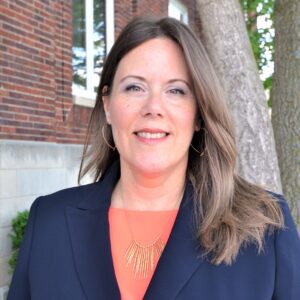
Andrea Dickerson is a Licensed Therapist and Certified Substance Use Counselor who has worked in behavioral health since 1997. Currently, Andrea is the Director of Behavioral Health, overseeing the Ember residential treatment programs and YSS outpatient counseling clinics throughout Central and North Central Iowa. She became a Motivational Interviewing (MI) trainer in 2006 and provides MI trainings throughout Iowa.
Andrea specializes in working with adolescents and their families and enjoys seeing the family relationships grow through therapy. Andrea is also a CARF International Surveyor, going around North America ensuring behavioral health organizations are meeting required standards.
In her free time, Andrea enjoys cheering on the Iowa Hawkeyes and Chicago Cubs, as well as being an active member of Soroptimist International of the Americas (SIA), a global organization that provides women and girls with access to the education and training they need to achieve economic empowerment. She has been a member of the SI of Des Moines club since 2012 and has been actively involved at the regional level, currently serving as Co-Governor of the Peaks to Plains Region.
Through her involvement in SIA, Andrea has been actively involved in the Dream Programs, coordinating annual Dream It, Be It: Career Support for Girls projects, which give girls the tools they need to achieve their education and career goals, empowering them to break cycles of poverty, violence, and abuse.